

Kirjailija
Charles Taliaferro
Kirjat ja teokset yhdessä paikassa: 35 kirjaa, julkaisuja vuosilta 1994-2026, suosituimpien joukossa The Mind and the Machine. Vertaile teosten hintoja ja tarkista saatavuus suomalaisista kirjakaupoista.
35 kirjaa
Kirjojen julkaisuhaarukka 1994-2026.


Iris Murdoch and the Transcendent
Charles Taliaferro; Jil Evans
Cambridge University Press
2026
nidottu

Iris Murdoch and the Transcendent
Charles Taliaferro; Jil Evans
Cambridge University Press
2026
sidottu

Christian Philosophy and the Problem of God
Charles Taliaferro
Cambridge University Press
2023
pokkari
Questions are raised about Christian philosophy and God. Is Christian philosophy truly philosophical? Is it Biblical? Is it capable of addressing God, a profoundly transcendent being? Does appealing to a God's eye point of view make sense? Can Christian philosophy respect religious diversity? While the integrity of Christian philosophy is defended, questions are raised about its relationship to the overall practice of philosophy. Christian philosophers value drawing others to Christian faith. Are Christian apologetics compatible with philosophy? This Element concludes with reflection on when it may be philosophically acceptable to appeal to mystery.
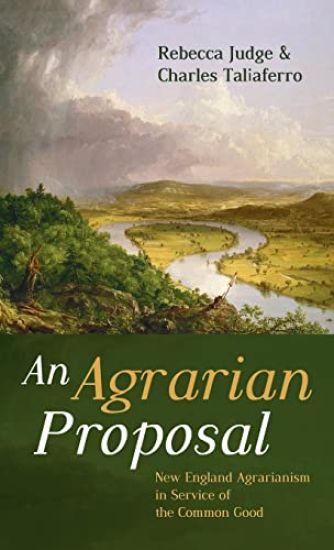
An Agrarian Proposal examines how the communitarian perspectives shared among colonial New England's settlers and the farming methods they employed can be adapted to cultivate contemporary agricultural practices, policies, and ethical commitments. Together these promote sustainable farming and land stewardship, even as they valorize farming as a vital locus for cultivating virtue. In contrast to the celebration of libertarian ideals and the general distrust of government regulation characterizing the writings of many prominent modern agrarian writers who follow the tradition of Jefferson and the Southern agrarians, An Agrarian Proposal explores how faith-based commitments shared among colonial New England's settlers resulted in resource distribution and stewardship practices that created a sustainable approach to land and resource management. An Agrarian Proposal adds to contemporary considerations of the ethics and practices of agrarianism by exploring a time and place where regulation was deemed a necessary means of fostering good land stewardship and where a faith-based communitarianism challenged individualism to promote sustainable land practices by individuals farming New England's rocky and isolated fields.

An Agrarian Proposal examines how the communitarian perspectives shared among colonial New England's settlers and the farming methods they employed can be adapted to cultivate contemporary agricultural practices, policies, and ethical commitments. Together these promote sustainable farming and land stewardship, even as they valorize farming as a vital locus for cultivating virtue. In contrast to the celebration of libertarian ideals and the general distrust of government regulation characterizing the writings of many prominent modern agrarian writers who follow the tradition of Jefferson and the Southern agrarians, An Agrarian Proposal explores how faith-based commitments shared among colonial New England's settlers resulted in resource distribution and stewardship practices that created a sustainable approach to land and resource management. An Agrarian Proposal adds to contemporary considerations of the ethics and practices of agrarianism by exploring a time and place where regulation was deemed a necessary means of fostering good land stewardship and where a faith-based communitarianism challenged individualism to promote sustainable land practices by individuals farming New England's rocky and isolated fields.
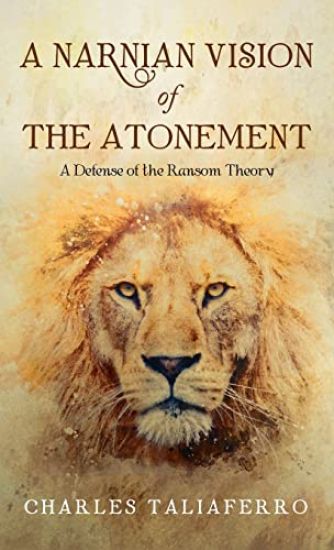
How can we have redemption or atonement (at-one-ment) with God? Ancient Christians proposed a ransom theory, according to which God pays the ransom for us through heroic self-sacrifice so we can be liberated from the power of the demonic, sin, and death. This theory is widely rejected by philosophers and theologians, yet C. S. Lewis boldly portrays atonement in precisely such terms in his seven-volume The Chronicles of Narnia. In this book, philosopher Charles Taliaferro defends the integrity and beauty of redemption in these stories and offers a Narnia-inspired Christian theory of atonement. He writes for those intrigued by Lewis's imaginary world of Narnia and for those interested in thinking about temptation, how wrongdoing may be overcome, confession, repentance, forgiveness and reconciliation, restitution, death, resurrection, and personal transformation. Taliaferro argues that Lewis's work is no mere entertaining fairytale for children but an important lens through which to view deep themes of redemption and atonement, and all the vital stages involved in overcoming evil with the superabundant good of God's loving self-sacrifice.

The History of Evil in Antiquity
Tom Angier; Chad Meister; Charles Taliaferro
Taylor Francis Ltd
2021
nidottu
This first volume of The History of Evil covers Graeco-Roman, Indian, Near Eastern, and Eastern philosophy and religion from 2000 BCE to 450 CE. This book charts the foundations of the history of evil among the major philosophical traditions and world religions, beginning with the oldest recorded traditions: the Vedas and Upani?ads, Confucianism and Daoism, and Buddhism, and continuing through Graeco-Roman and Judaeo-Christian schools of thought. This cutting-edge treatment of the history of evil at its crucial and determinative inception will appeal to those with particular interests in the ancient period and early theories and ideas of evil and good, as well as those seeking an understanding of how later philosophical and religious developments were conditioned and shaped.
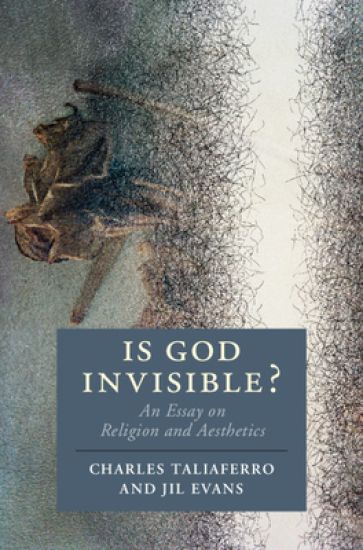
In this volume, Charles Taliaferro and Jil Evans promote aesthetic personalism by examining three domains of aesthetics - the philosophy of beauty, aesthetic experience, and philosophy of art - through the lens of Judaism, Christianity, Islam, theistic Hinduism, and the all-seeing Compassionate Buddha. These religious traditions assume an inclusive, overarching God's eye, or ideal point of view, that can create an emancipatory appreciation of beauty and goodness. This appreciation also recognizes the reality and value of the aesthetic experience of persons and deepens the experience of art works. The authors also explore and contrast the invisibility of persons and God. The belief that God or the sacred is invisible does not mean God or the sacred cannot be experienced through visual and other sensory or unique modes. Conversely, the assumption that human persons are thoroughly visible, or observable in all respects, ignores how racism and other forms of bias render persons invisible to others.

In this volume, Charles Taliaferro and Jil Evans promote aesthetic personalism by examining three domains of aesthetics - the philosophy of beauty, aesthetic experience, and philosophy of art - through the lens of Judaism, Christianity, Islam, theistic Hinduism, and the all-seeing Compassionate Buddha. These religious traditions assume an inclusive, overarching God's eye, or ideal point of view, that can create an emancipatory appreciation of beauty and goodness. This appreciation also recognizes the reality and value of the aesthetic experience of persons and deepens the experience of art works. The authors also explore and contrast the invisibility of persons and God. The belief that God or the sacred is invisible does not mean God or the sacred cannot be experienced through visual and other sensory or unique modes. Conversely, the assumption that human persons are thoroughly visible, or observable in all respects, ignores how racism and other forms of bias render persons invisible to others.

A guide to evil from a Christian point of view. In this wide-ranging and concise study, philosopher Charles Taliaferro explores: -the idea that evil is the destruction or privation of what is good -sin -divine commands -redemption from evil -hell and heaven -the problem of evil -and the multiple ways Christians seek to overcome evil with good.

A guide to evil from a Christian point of view. In this wide-ranging and concise study, philosopher Charles Taliaferro explores: -the idea that evil is the destruction or privation of what is good -sin -divine commands -redemption from evil -hell and heaven -the problem of evil -and the multiple ways Christians seek to overcome evil with good.
An important part of philosophy is concerned with religious questions. What is the meaning of life, and how might religious faith or doubt impact such meaning? What is the evidence for the existence of God? Is evidence essential for religious faith? What is the relationship between science and religion? What is the relationship between religions? How can or should one assess virtues and vices, right and wrong, from a religious versus a secular point of view? In this beginner’s guide, Charles Taliaferro addresses these and other important questions involved in philosophy of religion. He challenges the negative, often complacent attitudes towards religion as being dangerous or merely superstitious, arguing instead for a healthy pluralism and respect between persons of faith and secular inquirers. What is Philosophy of Religion? takes a practical, question-based approach to the subject, inviting the reader to engage with this exciting area of philosophy in a down-to-earth way.
An important part of philosophy is concerned with religious questions. What is the meaning of life, and how might religious faith or doubt impact such meaning? What is the evidence for the existence of God? Is evidence essential for religious faith? What is the relationship between science and religion? What is the relationship between religions? How can or should one assess virtues and vices, right and wrong, from a religious versus a secular point of view? In this beginner’s guide, Charles Taliaferro addresses these and other important questions involved in philosophy of religion. He challenges the negative, often complacent attitudes towards religion as being dangerous or merely superstitious, arguing instead for a healthy pluralism and respect between persons of faith and secular inquirers. What is Philosophy of Religion? takes a practical, question-based approach to the subject, inviting the reader to engage with this exciting area of philosophy in a down-to-earth way.

The History of Evil in Antiquity
Tom Angier; Chad Meister; Charles Taliaferro
Routledge
2018
sidottu
This first volume of The History of Evil covers Graeco-Roman, Indian, Near Eastern, and Eastern philosophy and religion from 2000 BCE to 450 CE. This book charts the foundations of the history of evil among the major philosophical traditions and world religions, beginning with the oldest recorded traditions: the Vedas and Upani?ads, Confucianism and Daoism, and Buddhism, and continuing through Graeco-Roman and Judaeo-Christian schools of thought. This cutting-edge treatment of the history of evil at its crucial and determinative inception will appeal to those with particular interests in the ancient period and early theories and ideas of evil and good, as well as those seeking an understanding of how later philosophical and religious developments were conditioned and shaped.

In Contemporary Philosophical Theology, Charles Taliaferro and Chad Meister focus on key topics in contemporary philosophical theology within Christianity, Islam, and Judaism, as well as Hinduism and Buddhism. The volume begins with a discussion of key methodological tools available to the philosophical theologian, such as faith and reason, science and religion, revelation and sacred scripture, and authority and tradition. The authors use these tools to explore subjects including language, ineffability, miracles, evil, and the afterlife. They also grapple with applied philosophical theology, including environmental concerns, interreligious dialogue, and the nature and significance of political values. A concluding discussion proposes that philosophical theology can contribute to important reflections and action concerning climate change.

In Contemporary Philosophical Theology, Charles Taliaferro and Chad Meister focus on key topics in contemporary philosophical theology within Christianity, Islam, and Judaism, as well as Hinduism and Buddhism. The volume begins with a discussion of key methodological tools available to the philosophical theologian, such as faith and reason, science and religion, revelation and sacred scripture, and authority and tradition. The authors use these tools to explore subjects including language, ineffability, miracles, evil, and the afterlife. They also grapple with applied philosophical theology, including environmental concerns, interreligious dialogue, and the nature and significance of political values. A concluding discussion proposes that philosophical theology can contribute to important reflections and action concerning climate change.
A philosophical inquiry into the strengths and weaknesses of theism and naturalism in accounting for the emergence of consciousness, the visual imagination and aesthetic values. The authors begin by offering an account of modern scientific practice which gives a central place to the visual imagination and aesthetic values. They then move to test the explanatory power of naturalism and theism in accounting for consciousness and the very visual imagination and aesthetic values that lie behind and define modern science. Taliaferro and Evans argue that evolutionary biology alone is insufficient to account for consciousness, the visual imagination and aesthetic values. Insofar as naturalism is compelled to go beyond evolutionary biology, it does not fare as well as theism in terms of explanatory power.