Kirjojen hintavertailu. Mukana 12 595 353 kirjaa ja 12 kauppaa.

Kirjailija

Chloe Harrison

Kirjat ja teokset yhdessä paikassa: 8 kirjaa, julkaisuja vuosilta 2018-2025, suosituimpien joukossa Cognitive Grammar in Stylistics. Vertaile teosten hintoja ja tarkista saatavuus suomalaisista kirjakaupoista.

8 kirjaa

Kirjojen julkaisuhaarukka 2018-2025.

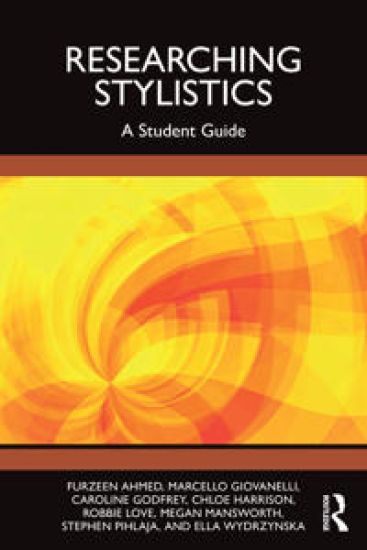
Researching Stylistics

Researching Stylistics

Furzeen Ahmed; Marcello Giovanelli; Caroline Godfrey; Chloe Harrison; Robbie Love; Megan Mansworth; Stephen Pihlaja; Ella Wydrzynska

TAYLOR FRANCIS LTD
2025
nidottu
Researching Stylistics: A Student Guide explores key topics in literary and non-literary stylistics, examining the multiple ways in which students can undertake research in this discipline. Inherently practical and reader-friendly in focus, the book is both a guide to key elements of the research process and a useful overview of core knowledge and successful research projects in stylistics.The book provides an overview of stylistics as a discipline, identifying its core principles and working parameters. It outlines, in a clear and systematic way, the design stages and practical considerations needed to plan for and undertake research. Reflecting the latest thinking in contemporary stylistics, the book demonstrates how various methods can be applied to study a range of different text types. The practical activity of ‘doing’ stylistics and key examples from existing research are emphasised so that readers will be confident in their ability to apply their knowledge to their own working contexts.This is an essential text for advanced students and researchers working in stylistics and discourse analysis, and those working in interdisciplinary spaces who would be interested in exploring how stylistics can support their work.
Researching Stylistics

Researching Stylistics

Furzeen Ahmed; Marcello Giovanelli; Caroline Godfrey; Chloe Harrison; Robbie Love; Megan Mansworth; Stephen Pihlaja; Ella Wydrzynska

TAYLOR FRANCIS LTD
2025
sidottu
Researching Stylistics: A Student Guide explores key topics in literary and non-literary stylistics, examining the multiple ways in which students can undertake research in this discipline. Inherently practical and reader-friendly in focus, the book is both a guide to key elements of the research process and a useful overview of core knowledge and successful research projects in stylistics.The book provides an overview of stylistics as a discipline, identifying its core principles and working parameters. It outlines, in a clear and systematic way, the design stages and practical considerations needed to plan for and undertake research. Reflecting the latest thinking in contemporary stylistics, the book demonstrates how various methods can be applied to study a range of different text types. The practical activity of ‘doing’ stylistics and key examples from existing research are emphasised so that readers will be confident in their ability to apply their knowledge to their own working contexts.This is an essential text for advanced students and researchers working in stylistics and discourse analysis, and those working in interdisciplinary spaces who would be interested in exploring how stylistics can support their work.
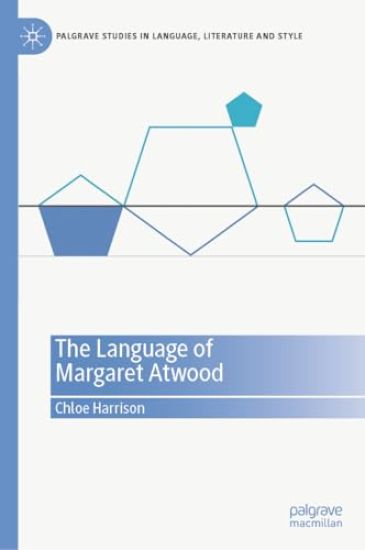
The Language of Margaret Atwood

The Language of Margaret Atwood

Chloe Harrison

Springer International Publishing AG
2024
sidottu
This book explores Margaret Atwood’s distinctive use of language and style, across a selection of her prose texts, through reader-centred, cognitive stylistic analyses. It examines how strategies of misdirection, processes of doubling, and the creation of textual ambience play an essential role in Atwood’s contemporary prose fiction style. With reference to contemporary scholarship in stylistics and literary criticism, each chapter presents a detailed linguistic analysis of a different text from Atwood’s oeuvre, from Alias Grace (1996) to Old Babes in the Wood (2023). Above all, the book studies experiences of reading Atwood’s works, situating and contextualising her signature linguistic choices in relation to real readers’ responses to her writing. The book should be of interest to readers specialising in the work of Margaret Atwood, including those with stylistics, cognitive linguistics, and literary studies backgrounds.
Cognitive Grammar in Stylistics

Cognitive Grammar in Stylistics

Marcello Giovanelli; Chloe Harrison

BLOOMSBURY PUBLISHING PLC
2024
sidottu
Providing an engaging, accessible and practically-focused introduction to cognitive grammar, this book demonstrates how central cognitive grammar principles can be used in stylistic analyses. Assuming no prior knowledge, it leads students through the basics of cognitive grammar, outlining its place within the field of cognitive linguistics as a whole, providing clear explanations of key principles and concepts, and explaining how these can be used to support the study of a range of literary and non-literary texts.Thoroughly updated throughout to encompass emerging trends in the field, this second edition features:- Increased exploration of a range of topics, including specificity and definiteness, scanning, perfective and imperfective verbs, action chains, and subjective and objective construal- A brand new chapter on extended projects in cognitive grammar- Additional activities, including on a wider range of literary texts- Further solutions to modelled answers- Updated examples, references, and further reading recommendationsPresenting cognitive grammar as a powerful alternative to more traditional grammatical models to enable the analysis of texts, the book’s primary focus is on the practical application of cognitive grammar to examples of language in context and on its potential for specifically literary and non-literary material. It offers a clear and facilitating approach to allow students to describe language features carefully and to explore how these descriptions can be developed into full and rich analyses.
Cognitive Grammar in Stylistics

Cognitive Grammar in Stylistics

Marcello Giovanelli; Chloe Harrison

BLOOMSBURY PUBLISHING PLC
2024
nidottu
Providing an engaging, accessible and practically-focused introduction to cognitive grammar, this book demonstrates how central cognitive grammar principles can be used in stylistic analyses. Assuming no prior knowledge, it leads students through the basics of cognitive grammar, outlining its place within the field of cognitive linguistics as a whole, providing clear explanations of key principles and concepts, and explaining how these can be used to support the study of a range of literary and non-literary texts.Thoroughly updated throughout to encompass emerging trends in the field, this second edition features:- Increased exploration of a range of topics, including specificity and definiteness, scanning, perfective and imperfective verbs, action chains, and subjective and objective construal- A brand new chapter on extended projects in cognitive grammar- Additional activities, including on a wider range of literary texts- Further solutions to modelled answers- Updated examples, references, and further reading recommendationsPresenting cognitive grammar as a powerful alternative to more traditional grammatical models to enable the analysis of texts, the book’s primary focus is on the practical application of cognitive grammar to examples of language in context and on its potential for specifically literary and non-literary material. It offers a clear and facilitating approach to allow students to describe language features carefully and to explore how these descriptions can be developed into full and rich analyses.
Reading Habits in the COVID-19 Pandemic

Reading Habits in the COVID-19 Pandemic

Abigail Boucher; Marcello Giovanelli; Chloe Harrison; Robbie Love; Caroline Godfrey

Springer International Publishing AG
2024
sidottu
This book presents and analyses the results of the Lockdown Library Project survey, using a range of quantitative and qualitative approaches to provide a unique insight into the ways in which the first UK COVID-19 lockdown affected public reading habits. The authors begin by outlining the background to the study, the research methodology and design, and an overview of the headlines of the data, before going on to survey the literature on the relationship between pandemics, literature (especially the role played by genre and popular fiction) and reading habits. They then examine how participants reported that the lockdown period had affected the amount that they read; how they accessed books and discussed their reading with others; the use of reading as a coping strategy; and returning to re-read books that offered familiarity, reliability, and nostalgia. Finally, the concluding chapter brings together the overall findings of the project and briefly outlines future work in the field. This book will be of interest to academics in fields such as literary and genre studies, applied linguistics, corpus linguistics, stylistics, health humanities, and sociology, as well as practitioners working in education, in bibliotherapy, and in libraries.
Cognitive Grammar in Stylistics

Cognitive Grammar in Stylistics

Marcello Giovanelli; Chloe Harrison

Bloomsbury Academic
2018
nidottu
Cognitive Grammar in Stylistics: A Practical Guide provides an engaging, accessible and practically-focused introduction to cognitive grammar outlining how central principles of the field can be used in stylistic analyses. Assuming no prior knowledge, the book leads students through the basics of cognitive grammar, outlining its place within the field of cognitive linguistics as a whole, providing clear explanations of key principles and concepts. It then explains how these can be used to study a range of literary and non-literary texts. The book argues that cognitive grammar offers a powerful alternative to more traditional grammatical models when analysing texts. Its primary focus is on the practical application of cognitive grammar to examples of language in context and on its potential for both literary and non-literary material. It offers a clear and facilitating approach to allow students to describe language features carefully and to explore how these descriptions can be developed into full and rich analyses. Suitable for undergraduate students taking modules in stylistics, English language, and cognitive linguistics, as well as postgraduates encountering the field for the first time, the book provides a much-needed and essential guide to this exciting subject.
Cognitive Grammar in Stylistics

Cognitive Grammar in Stylistics

Marcello Giovanelli; Chloe Harrison

Bloomsbury Academic
2018
sidottu
Cognitive Grammar in Stylistics: A Practical Guide provides an engaging, accessible and practically-focused introduction to cognitive grammar outlining how central principles of the field can be used in stylistic analyses. Assuming no prior knowledge, the book leads students through the basics of cognitive grammar, outlining its place within the field of cognitive linguistics as a whole, providing clear explanations of key principles and concepts. It then explains how these can be used to study a range of literary and non-literary texts.The book argues that cognitive grammar offers a powerful alternative to more traditional grammatical models when analysing texts. Its primary focus is on the practical application of cognitive grammar to examples of language in context and on its potential for both literary and non-literary material. It offers a clear and facilitating approach to allow students to describe language features carefully and to explore how these descriptions can be developed into full and rich analyses. Suitable for undergraduate students taking modules in stylistics, English language, and cognitive linguistics, as well as postgraduates encountering the field for the first time, the book provides a much-needed and essential guide to this exciting subject.