Kirjojen hintavertailu. Mukana 12 595 353 kirjaa ja 12 kauppaa.

Kirjailija

Chris Newey

Kirjat ja teokset yhdessä paikassa: 2 kirjaa, julkaisuja vuosilta 2023-2024, suosituimpien joukossa The First Flight. Vertaile teosten hintoja ja tarkista saatavuus suomalaisista kirjakaupoista.

2 kirjaa

Kirjojen julkaisuhaarukka 2023-2024.

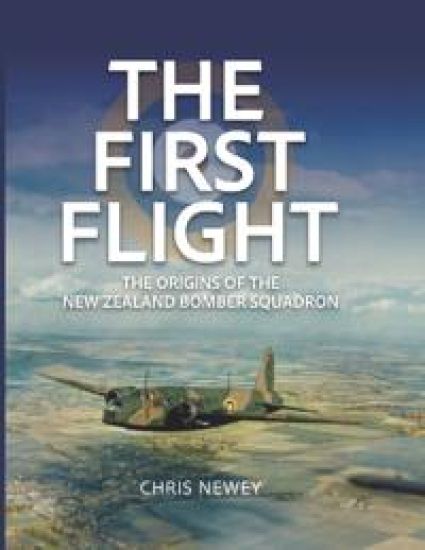
The First Flight

The First Flight

Chris Newey

Aviation Books Ltd.
2024
pokkari
In 1938, with war looming in Europe, the New Zealand government launched abold plan to bolster the country's long-neglected air defences, based on theadvice of a young RAF officer, Ralph Cochrane. Cochrane's new RNZAF wouldbe built around two new long range reconnaissance and strike squadrons, andfor this, 30 of Britain's most up-to-date bomber aircraft needed to bepurchased and delivered from the other side of the world. Led by a legendarywing commander and some of New Zealand's most celebrated aviators, a team ofpilots and technicians was assembled in England to fly them back, six at atime. By late August 1939, war was imminent and the government offered to put themen and machines at the disposal of the Royal Air Force (RAF). It was thefirst material contribution to Britain's war effort by any Commonwealthcountry, made a week before war was declared. The first ferry flight hadbeen due to leave only a month later. But the generous gesture left New Zealand vulnerable to attack, without anymodern front-line aircraft and without some of its most experienced pilots.The country's ineffective defences against attack from the sea were quicklyexposed. After seven months of political debate and hard work the small unit waseventually built up to full operational status - No. 75 (New Zealand)Squadron - the first Commonwealth squadron to be formed within the RAF. 'TheNew Zealand Bomber Squadron' became famous for its many accomplishmentsduring the Second World War and a source of great national pride. Until now, the story of how it came into being has never been properly told.
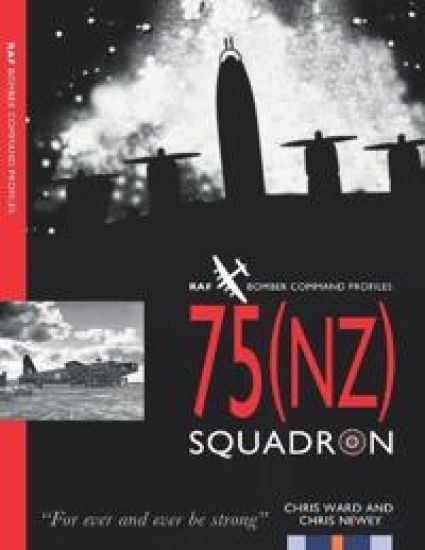
75 (NZ) Squadron

75 (NZ) Squadron

Chris Newey; Chris Ward

Mention the War Ltd.
2023
pokkari
This expanded and updated edition of Chris Ward's Profile of 75(NZ) Squadron is the definitive and comprehensive wartime account of this well-known and highly-regarded Bomber Command outfit. Produced with the full support and assistance of squadron veterans, the Royal New Zealand Air Force Association and the New Zealand Bomber Command Association, it is a testament to the duty and sacrifice of all those who served with this famous unit throughout the Second World War. Chris Ward's detailed narrative, based on the squadron's Second World War Operations Record Book, is complemented by several hundred photographs, many published for the first time.In 1938, the New Zealand government had ordered thirty Vickers Wellington Mk1 bombers. RNZAF aircrew were despatched to train on the new aircraft at RAF Marham, and then take them to their new home in the Southern Hemisphere. When war broke out, the New Zealand Government placed the aircraft and their crews at the disposal of the RAF to help fight the new enemy. Already known as 'The New Zealand Squadron', the unit was given the number 75 on 4 April 1940, the previous unit so numbered having been disbanded. This meant that the original nucleus of personnel remained together as an operational unit of the RAF.On 4 April 1940, The New Zealand Squadron was renamed 75(NZ) Squadron. Although often referred to as an RNZAF unit, it was wholly equipped and controlled by the RAF until the end of the conflict. It was a key component of No. 3 Group, Bomber Command, and was based initially at RAF Feltwell, then RAF Mildenhall, RAF Newmarket and RAF Mepal, in Cambridgeshire. The unit saw action over France, Norway, Belgium, Italy, Sweden and Germany, distinguishing itself in the process.The squadron operated with a strength of three Flights after receiving Short Stirling bombers. In line with the rest of No. 3 Group, the squadron re-equipped with the Avro Lancaster in 1944, the type seeing the unit through to August 1945. 75(NZ) Sqn operated against the Germans from 1940 to VE Day, flying more sorties than any other allied heavy bomber squadron, suffering the second highest number of casualties. A Victoria Cross was awarded to Sgt J A Ward for climbing out onto the wing of his Wellington on an operation over Europe, in an attempt to put out an engine fire. Although badly damaged by enemy fighters' cannon shells, the aircraft managed to return to its base.