Kirjojen hintavertailu. Mukana 12 390 323 kirjaa ja 12 kauppaa.
Kirjailija
Christian Rätsch
Kirjat ja teokset yhdessä paikassa: 25 kirjaa, julkaisuja vuosilta 2001-2023, suosituimpien joukossa Schamanismus und Tantra in Nepal. Vertaile teosten hintoja ja tarkista saatavuus suomalaisista kirjakaupoista.
An authoritative treatise on the use, history, culture, and art of the sacred plant medicine Ayahuasca. Ayahuasca is the strongest shamanic plant medicine. Brewed from the combination of the Amazonian vine, Banisteriopsis caapi, and leaves from the plant, Psychotria viridis, Ayahuasca creates sweeping visual and mentally startling effects. For many of the indigenous cultures of the Amazonian basin, Ayahuasca is central to their culture, revealing to mankind its role in the universe and the true nature of reality. Used properly, Ayahuasca provides healing and integration with nature and community and stimulates the creative process. The authors are recognized experts in the field of ethnology, anthropology and pharmacology and demonstrate the use of Ayahuasca in shamanic rituals. They dive deep into shamanic visionary worlds, explore the plants and their souls, and share their authentic encounters with Amazonian cultures and their artistic works.
Best known as the first person to synthesize, ingest, and discover the psychedelic effects of LSD, Albert Hofmann was more than just a chemist. A pioneer in the field of visionary plant research, he was one of the first people to suggest the use of entheogens for psychological healing and spiritual growth. His insights into the consciousness-expanding effects of psychedelics as well as human nature, the psyche, and the nature of reality earned him a reputation as a mystical scientist and visionary philosopher. This book--Hofmann’s last work before his death in 2008 at the age of 102--offers the acclaimed scientist’s personal experiences and thoughts on chemistry, the natural sciences, mind-altering drugs, the soul, and the search for happiness and meaning in life. Hofmann explains different methods of pharmaceutical research based on traditional plant medicine and discusses psilocybin, the active compound in psychedelic mushrooms that he discovered. He examines the psychological role of psychoactives, their therapeutic potential, and their use in easing the life-to-death transition. Sharing a different side of the father of LSD, one known only to his friends and close colleagues, this book also includes the poetry of this mystical prophet of psychedelic science.
The culmination of more than 30 years of cultural, anthropological, and scientific research, this encyclopedia examines the botany, pharmacology, history, preparation, dosage, and practical use of more than 400 erotically stimulating substances from antiquity to the present day. From plants and animals that enhance fertility and virility, like celery, snails, or oysters, to substances that induce arousal, like ephedra, opium, or cannabis, the encyclopedia is richly illustrated with more than 800 color photographs--many of which are from the authors’ extensive fieldwork around the world. Exploring individual, medicinal, and ritual use through historic and contemporary artwork, personal accounts, and literature as well as ayurvedic, tantric, shamanic, and European folklore practices and recent pharmacological research, the authors look at the revolving cycle of acceptance and condemnation of aphrodisiacs, the qualities that incur the label of “aphrodisiac,” the role of mind and setting, and the different ways aphrodisiacs stimulate desire--either physically, through the senses and vital organs, or mentally, through heightened awareness and altered consciousness. This comprehensive guide reveals these “remedies of the love goddess” as holy remedies whose proper use can help reestablish harmony with oneself, one’s partner, and the universe.
MARIJUANA MEDICINE explores the role of hemp in medicinal systems spanning the globe. Cannabis has accompanied the development of human culture from its very beginnings and can be found in the healing traditions of cultures throughout Africa Asia Europe and the Americas. Even today it is an important part of many Asian healing traditions: in Ayurveda cannabis is praised for its tonic and aphrodisiac qualities and in traditional Chinese medicine it is cited as a superb antidepressant. It also remains a significant part of the healing and visionary traditions of Latin American curanderos and Brazilian Nepalese and Indian folk medicine. Modern research has confirmed the effectiveness of marijuana's application in treating such diseases as asthma and glaucoma. Christian Ratsch profiles the medicinal historical and cultural uses of cannabis in each of these societies and medical systems providing remedies and recipes for those interested in how cannabis can be used to treat specific conditions.
An examination of the sacred botany and the pagan origins and rituals of Christmas reveals the symbolic significance of the many plants associated with Christmas and the shamanic rituals that are at the heart of the celebration. Original.
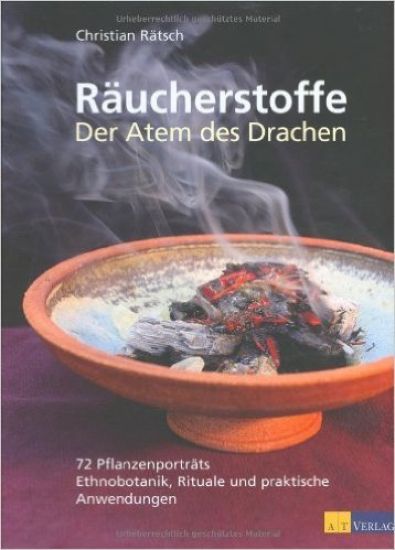
"Räucherstoffe - Der Atem des Drachen 72 Pflanzenporträts - Ethnobotanik, Rituale und praktische Anwendungen Das Entzünden von Räucherwerk gehört zu den ältesten rituellen Praktiken der Menschheit. Schamanen versetzten sich mit dem aufsteigenden Rauch bestimmter Hölzer, Harze und Blätter in Trance. Seherinnen inhalierten den Rauch von bewusstseinsverändernden Stoffen, um in Ekstase zu verfallen. Priesterinnen und Priester verbrannten Harze, um den Kontakt mit den Göttern und Göttinnen herzustellen. Dem aromatischen Rauch wurden seit jeher magische oder medizinische Eigenschaften zugeschrieben. Nach einer Einführung in die Kulturgeschichte des Räucherns werden in einem umfassenden lexikalischen Teil sämtliche Räucherstoffe von Aloe bis Zypresse ausführlich in Text und Bild dargestellt: Botanische Beschreibung der Stammpflanze, Geschichte, Ritual und Brauchtum, Wirkungen und Anwendungsmöglichkeiten, Chemie und Pharmakologie, Hinweise zu Ernte und Zubereitung. Über die fundierte ethnobotanische und ethnopharmakologische Darstellung der Räucherstoffe öffnet das Buch eine Tür zu den Mysterien der Natur, vermittelt Einblicke und regt zu eigenem kreativem Umgang an."
Ayahuasca ist eines der stärksten schamanischen Heilmittel. Der aus mehreren ethnobotanisch bedeutenden Pflanzen des Amazonasgebiets gebraute Trank hat durchschlagende körperliche und verblüffende psychische Wirkungen. Ayahuasca ist für viele Völker die Grundlage der Kultur, eine Kultur schaffende und erhaltende Institution. Ayahuasca ist ein Erkenntnismittel, das dem Menschen seine Stellung im Universum zeigt und die wahre Wirklichkeit offenbart. Ayahuasca schenkt - richtig angewandt - Heilung und Gesundheit, verleiht persönlich bedeutsame Visionen und stimuliert das kreative Schaffen. In diesem Buch zeigen die Autoren, ausgewiesene Experten im Bereich Ethnologie, Anthropologie und Pharmakologie, die rituelle Verwendung von Ayahuasca in schamanischen Ritualen. Sie tauchen ein in schamanisch- visionäre Welten, beschäftigen sich mit den Pflanzen und ihren Seelen und begegnen den Wirklichkeiten amazonischer Kulturen und ihren künstlerischen Werken. ?Ayahuasca ist ein Fluss, an dessen Ufern die Visionspflanzen (Pinta) und die Schnupfpulverzutaten (Yopo) wachsen, die Remedios gedeihen, Tabak und Coca angebaut werden, die Räucherstoffe (copales) und Duftpflanzen gesammelt werden. Dieser Fluss ist der Amazonas, der Schamanenstrom, die Heiler-Anaconda. Dieser Fluss ist die Universität der Dschungelmedizin. Das Wasser ist der Strom des Lebens, wird von Visionen erleuchtet, von Erkenntnissen getränkt, von Düften erfüllt, von Pflanzengeistern geheilt. Der Fluss mündet im Ozean der Selbstentgrenzung.
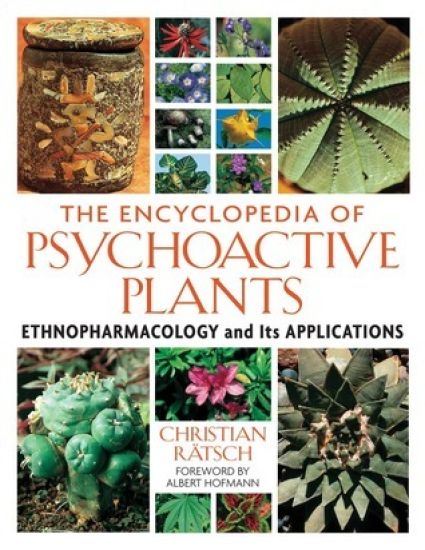
In the traditions of every culture, plants have been highly valued for their nourishing, healing, and transformative properties. The most powerful plants--those known to transport the human mind into other dimensions of consciousness--have traditionally been regarded as sacred. In The Encyclopedia of Psychoactive PlantsChristian Rätsch details the botany, history, distribution, cultivation, and preparation and dosage of more than 400 psychoactive plants. He discusses their ritual and medicinal usage, cultural artifacts made from these plants, and works of art that either represent or have been inspired by them. The author begins with 168 of the most well-known psychoactives--such as cannabis, datura, and papaver--then presents 133 lesser known substances as well as additional plants known as “legal highs,” plants known only from mythological contexts and literature, and plant products that include substances such as ayahuasca, incense, and soma. The text is lavishly illustrated with 797 color photographs--many of which are from the author’s extensive fieldwork around the world--showing the people, ceremonies, and art related to the ritual use of the world’s sacred psychoactives.
Die germanische Kultur wurde von einer schamanischen Mythologie getragen, ihre Spiritualität wurde durch Entheogene, durch heilige Pflanzen, psychoaktives Räucherwerk und Rauschtränke inspiriert. Der Tempel der Germanen war kein künstliches Gebäude, es war der Wald, der heilige Hain. Die Bäume waren Gottheiten und die Pflanzen hatten Zauberkraft. Das germanische Schamanentum wurde geprägt von Alrunas, den weisen Seherinnen, von Berserkern, den kultischen Kriegern, den kräuterkundigen Brauerinnen und den begeisterten Skalden. Wir haben in der germanischen Mythologie einen direkten Zugang zum Schamanentum. Der Gott Wotan ist der Urschamane, der schamanistischste aller indogermanischen Götter. Wotan ist der Ordner des Weltalls, der Ekstatiker, der nach Wissen und Erkenntnis Strebende, der Seelengeleiter, der Herr der Entheogene, der große Zauberer und schützende Krieger. Dieses Buch berichtet von germanischen Weltenbäumen, Narrenschwämmen, Zauberpflanzen, Orakelblumen, Räucherwerk, Rauschtränken und Runenzauber. Es öffnet die fast vergessenen Tore in den heiligen Hain und zu seinen Wundergewächsen. Es werden Rituale, schamanische Praktiken, der Gebrauch von heimischen Zauberpflanzen dargestellt. Es bietet einen Zugang zu unserem heidnischen Erbe und zu unseren schamanischen Wurzeln.