Kirjojen hintavertailu. Mukana 12 595 353 kirjaa ja 12 kauppaa.

Kirjailija

Christine A. Lewis

Kirjat ja teokset yhdessä paikassa: 2 kirjaa, julkaisuja vuosilta 2022-2024, suosituimpien joukossa Recognising Adoptee Relationships. Vertaile teosten hintoja ja tarkista saatavuus suomalaisista kirjakaupoista.

2 kirjaa

Kirjojen julkaisuhaarukka 2022-2024.

Recognising Adoptee Relationships

Recognising Adoptee Relationships

Christine A. Lewis

TAYLOR FRANCIS LTD
2024
nidottu
With a triadic perspective, this autoethnographic narrative explores the temporal, situated nature of interactions between the author as an adoptee with her adult adopted children as well as those between herself and her birth father and mother. The epiphanic adoptive family narratives that are foregrounded seek to deepen and challenge understanding of how kinship affinities are experienced. The autoethnographic narratives are written in a critical, evocative style which is valuable for two reasons. Firstly, the processes of reflexive self-introspection, self-observation and dialogue with relational others have established a critical connection between recognising and responding to kinship affinities and personal growth. Secondly, lying at the intersection of the self and other this narrative contributes to deepening insights around epistemic in/justice in adoptive kinship. This book will be of interest to educators and scholars of adoption in offering an insider perspective on unique family relationships as well as how the author undertakes critical evocative autoethnography. Adoptees, adoptive parents, and birth parents will also find the narratives in Part II of this book of particular interest in informing an understanding of kin relationships and how these may be subject to change over time.
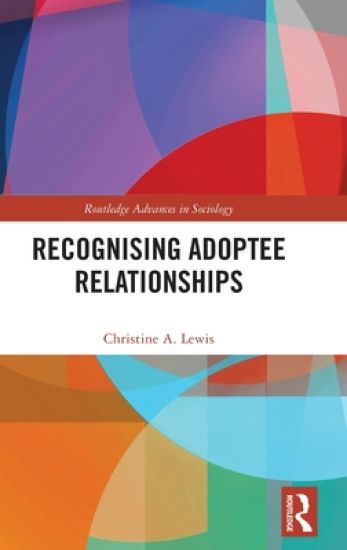
Recognising Adoptee Relationships

Recognising Adoptee Relationships

Christine A. Lewis

TAYLOR FRANCIS LTD
2022
sidottu
With a triadic perspective, this autoethnographic narrative explores the temporal, situated nature of interactions between the author as an adoptee with her adult adopted children as well as those between herself and her birth father and mother. The epiphanic adoptive family narratives that are foregrounded seek to deepen and challenge understanding of how kinship affinities are experienced. The autoethnographic narratives are written in a critical, evocative style which is valuable for two reasons. Firstly, the processes of reflexive self-introspection, self-observation and dialogue with relational others have established a critical connection between recognising and responding to kinship affinities and personal growth. Secondly, lying at the intersection of the self and other this narrative contributes to deepening insights around epistemic in/justice in adoptive kinship. This book will be of interest to educators and scholars of adoption in offering an insider perspective on unique family relationships as well as how the author undertakes critical evocative autoethnography. Adoptees, adoptive parents, and birth parents will also find the narratives in Part II of this book of particular interest in informing an understanding of kin relationships and how these may be subject to change over time.