Kirjojen hintavertailu. Mukana 12 390 323 kirjaa ja 12 kauppaa.

Kirjailija

Christine Kenyon Jones

Kirjat ja teokset yhdessä paikassa: 5 kirjaa, julkaisuja vuosilta 2001-2024, suosituimpien joukossa Jane Austen and Lord Byron. Vertaile teosten hintoja ja tarkista saatavuus suomalaisista kirjakaupoista.

Mukana myös kirjoitusasut: Christine Kenyon-Jones

5 kirjaa

Kirjojen julkaisuhaarukka 2001-2024.

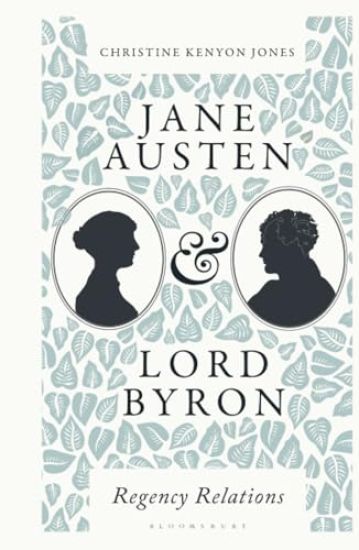
Jane Austen and Lord Byron

Jane Austen and Lord Byron

Christine Kenyon Jones

BLOOMSBURY PUBLISHING PLC
2024
sidottu
Jane Austen and Lord Byron are often presented as opposites, but here they are together at last. In Regency England he was the first celebrity author while she was a parson’s daughter writing anonymously. This book explores how their lives, interests, work and sense of humour often brought them within touching distance, and sets them side by side in the world of the Regency and Romantic period. Using some little-known sources and new research, it illustrates how they were distantly related by marriage; how they knew about each other even though they probably never met; the acquaintances they had in common and how their literary work often came close in subject-matter, approach, technique and tone.Engagingly written and beautifully illustrated, this book will inform and delight scholars and Austen and Byron fans alike, showing that these two great authors were closer than you might think, even in their own day.
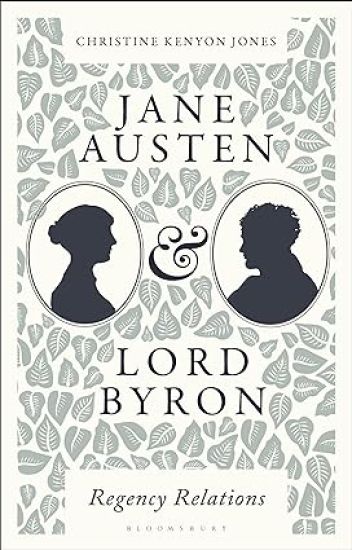
Jane Austen and Lord Byron

Jane Austen and Lord Byron

Christine Kenyon Jones

BLOOMSBURY PUBLISHING PLC
2024
nidottu
Jane Austen and Lord Byron are often presented as opposites, but here they are together at last. In Regency England he was the first celebrity author while she was a parson’s daughter writing anonymously. This book explores how their lives, interests, work and sense of humour often brought them within touching distance, and sets them side by side in the world of the Regency and Romantic period. Using some little-known sources and new research, it illustrates how they were distantly related by marriage; how they knew about each other even though they probably never met; the acquaintances they had in common and how their literary work often came close in subject-matter, approach, technique and tone.Engagingly written and beautifully illustrated, this book will inform and delight scholars and Austen and Byron fans alike, showing that these two great authors were closer than you might think, even in their own day.
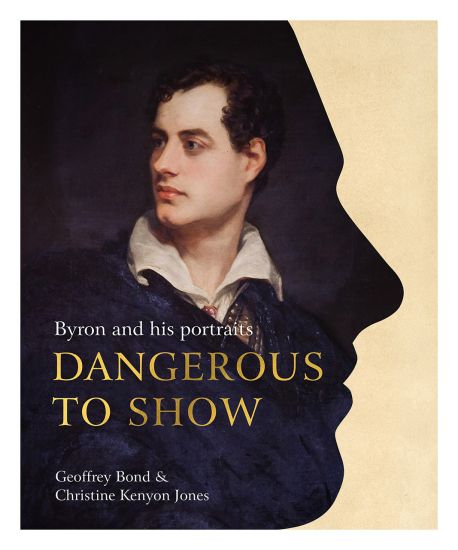
Dangerous to Show

Dangerous to Show

Geoffrey Bond; Christine Kenyon Jones

Unicorn Publishing Group
2020
sidottu
'Don't look at him. He is dangerous to look at,' said Lady Liddell to her daughter in 1817. Handsome, charismatic, aristocratic and allegedly 'mad, bad and dangerous to know', Lord Byron (1788-1824) is one of the most captivating and recognisable figures of the Romantic Age. His face, figure and appearance added greatly to the appeal of his poetry and the close association of the man with his poetic creations encouraged a wide range of artists to create portraits during his lifetime and to memorialise him after his heroic death in Greece. This book explores Byron's life through the intriguing stories behind these images and for the first time reproduces in colour all the key paintings, miniatures, sculptures, drawings and sketches, with a selection of prints, cartoons, engravings and other representations. It uses Byron's own wit with words to recount his attempts to manage his own image through the way he was presented in his portraits, as well as through fashion, weight control and the disguise of his lameness.
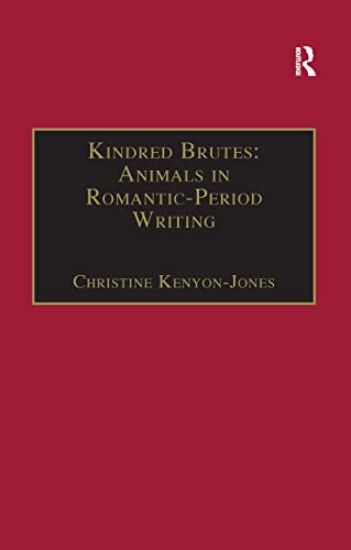
Kindred Brutes: Animals in Romantic-Period Writing
Exploring the significance of animals in Romantic-period writing, this new study shows how in this period they were seen as both newly different from humankind (subjects in their own right, rather than simply humanity's tools or adjuncts) and also as newly similar, with the ability to feel and perhaps to think like human beings. Approaches to animals are reviewed in a wide range of the period's literary work (in particular, that of Byron, Wordsworth, Coleridge, Keats, Southey, Clare and Blake). Poetry and other literary work are discussed in relation to discourses about animals in various contemporary cultural contexts, including children's books, parliamentary debates, vegetarian theses, encyclopaedias and early theories about evolution. The study introduces animals to the discussions about ecocriticism and environmentalism in Romantic-period writing by complicating the concept of 'Nature', and it also contributes to the debates about politics and the body in this period. It demonstrates the rich variety of thinking about animals in the late-eighteenth and early-nineteenth centuries, and it challenges the exclusion of literary writing from some recent multi-disciplinary debates about animals, by exploring the literary roots of many metaphors about and attitudes to animals in our current thinking. Kindred Brutes constitutes a genuinely original and substantial contribution both to Romantic-period writing and to general debates about animals and the body.
Kindred Brutes: Animals in Romantic-Period Writing

Kindred Brutes: Animals in Romantic-Period Writing

Christine Kenyon-Jones

Ashgate Publishing Limited
2001
sidottu
Exploring the significance of animals in Romantic-period writing, this new study shows how in this period they were seen as both newly different from humankind (subjects in their own right, rather than simply humanity's tools or adjuncts) and also as newly similar, with the ability to feel and perhaps to think like human beings. Approaches to animals are reviewed in a wide range of the period's literary work (in particular, that of Byron, Wordsworth, Coleridge, Keats, Southey, Clare and Blake). Poetry and other literary work are discussed in relation to discourses about animals in various contemporary cultural contexts, including children's books, parliamentary debates, vegetarian theses, encyclopaedias and early theories about evolution. The study introduces animals to the discussions about ecocriticism and environmentalism in Romantic-period writing by complicating the concept of 'Nature', and it also contributes to the debates about politics and the body in this period. It demonstrates the rich variety of thinking about animals in the late-eighteenth and early-nineteenth centuries, and it challenges the exclusion of literary writing from some recent multi-disciplinary debates about animals, by exploring the literary roots of many metaphors about and attitudes to animals in our current thinking. Kindred Brutes constitutes a genuinely original and substantial contribution both to Romantic-period writing and to general debates about animals and the body.