Kirjojen hintavertailu. Mukana 12 657 676 kirjaa ja 12 kauppaa.

Kirjailija

Christine Muir

Kirjat ja teokset yhdessä paikassa: 5 kirjaa, julkaisuja vuosilta 2015-2025, suosituimpien joukossa Orkney Days. Vertaile teosten hintoja ja tarkista saatavuus suomalaisista kirjakaupoista.

5 kirjaa

Kirjojen julkaisuhaarukka 2015-2025.

Orkney Days

Orkney Days

Christine Muir

BIRLINN GENERAL
2025
pokkari
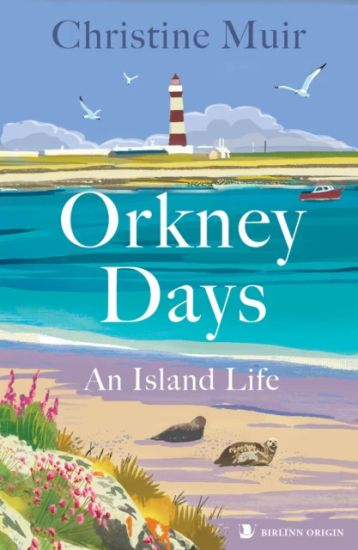
This is the charming and poignant account of twenty-five years spent in Orkney. After her marriage to an islander, Christine Muir went to live on the tiny island of North Ronaldsay, where she and her husband brought up their four children and ran a small croft. Following the seasons though the year, Orkney Days is full of observations of the natural world at their doorstep. Beautiful descriptions of the island and its flora and fauna – from wildflowers and medicinal herbs to seals and seabirds – are mingled with memories of a young family growing up and the rhythms of daily life far from the bustle of the modern world. There is much too about the work involved in running their croft and the cattle and sheep that are its mainstay, about the traditions and lore of the island which stretch back over countless generations, and about the modern developments which changed it forever.
Directed Motivational Currents and Language Education
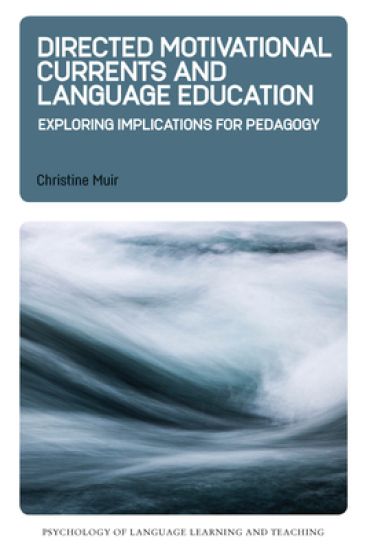
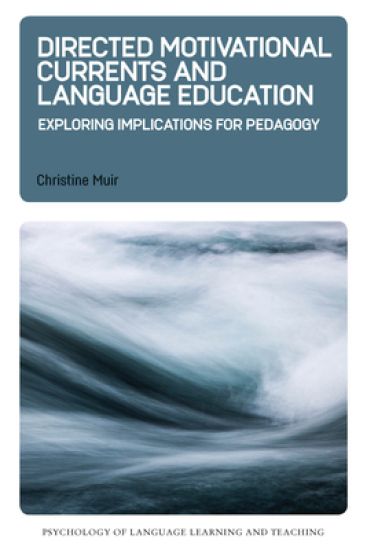
Directed motivational currents (DMCs) are goal-directed motivational surges in pursuit of a much-desired personal outcome. This book introduces the reader to cutting-edge theory and research in second language learner motivation and presents empirical research which investigates DMCs in the context of language learning. The studies explore the wider relevance of DMC theory from participants recruited worldwide, answering questions such as how many (and which) participants reported having experienced DMCs and what emerged as common triggers initiating such experiences. The studies also discuss the pedagogical implications of DMC theory, investigating whether it is possible to design and implement a project (specifically, a project ‘with DMC potential’) in such a way that it may be able to purposefully facilitate a group-DMC with learners in a second language classroom. The book’s accessible writing style makes it suitable for researchers and students who are interested in second language learning as well as for teachers and trainee teachers who are looking for classroom inspiration.
Directed Motivational Currents and Language Education
Directed motivational currents (DMCs) are goal-directed motivational surges in pursuit of a much-desired personal outcome. This book introduces the reader to cutting-edge theory and research in second language learner motivation and presents empirical research which investigates DMCs in the context of language learning. The studies explore the wider relevance of DMC theory from participants recruited worldwide, answering questions such as how many (and which) participants reported having experienced DMCs and what emerged as common triggers initiating such experiences. The studies also discuss the pedagogical implications of DMC theory, investigating whether it is possible to design and implement a project (specifically, a project ‘with DMC potential’) in such a way that it may be able to purposefully facilitate a group-DMC with learners in a second language classroom. The book’s accessible writing style makes it suitable for researchers and students who are interested in second language learning as well as for teachers and trainee teachers who are looking for classroom inspiration.
Motivational Currents in Language Learning

Motivational Currents in Language Learning

Zoltán Dörnyei; Alastair Henry; Christine Muir

Routledge
2015
sidottu
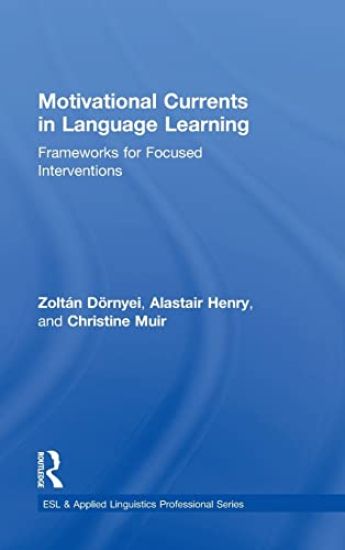
Building on Zoltán Dörnyei’s authoritative work in the field of learner motivation, this book introduces a new conceptualization—Directed Motivational Currents (DMCs)—and sets out the defining aspects of what they are, what they are not, and how they are related to language learning motivation. Going beyond focused behavior in a single activity, DMCs concern intensive long-term motivation. The distinctive feature of the theory is that it views motivation not simply as a springboard for action but also as a uniquely self-renewing and sustainable process. It is this energizing capacity which distinguishes DMCs from almost every other motivational construct described in the research literature.Motivational Currents in Language Learning offers new insights, valuable both to motivation researchers and classroom practitioners. The accessible style, along with plentiful illustrations and practical suggestions for promoting sustained learning, invite readers to think about motivation in a different way. Highly relevant for language teachers, teachers-in-training, teacher educators, and researchers in TESOL and applied linguistics, the book explains how the DMC construct can be integrated into course structures and teaching methodologies, and encourages teachers to try out novel methods for harnessing motivational power in classroom settings.
Motivational Currents in Language Learning

Motivational Currents in Language Learning

Zoltán Dörnyei; Alastair Henry; Christine Muir

Routledge
2015
nidottu
Building on Zoltán Dörnyei’s authoritative work in the field of learner motivation, this book introduces a new conceptualization—Directed Motivational Currents (DMCs)—and sets out the defining aspects of what they are, what they are not, and how they are related to language learning motivation. Going beyond focused behavior in a single activity, DMCs concern intensive long-term motivation. The distinctive feature of the theory is that it views motivation not simply as a springboard for action but also as a uniquely self-renewing and sustainable process. It is this energizing capacity which distinguishes DMCs from almost every other motivational construct described in the research literature.Motivational Currents in Language Learning offers new insights, valuable both to motivation researchers and classroom practitioners. The accessible style, along with plentiful illustrations and practical suggestions for promoting sustained learning, invite readers to think about motivation in a different way. Highly relevant for language teachers, teachers-in-training, teacher educators, and researchers in TESOL and applied linguistics, the book explains how the DMC construct can be integrated into course structures and teaching methodologies, and encourages teachers to try out novel methods for harnessing motivational power in classroom settings.