Kirjojen hintavertailu. Mukana 12 595 353 kirjaa ja 12 kauppaa.

Kirjailija

Christine Piper

Kirjat ja teokset yhdessä paikassa: 5 kirjaa, julkaisuja vuosilta 2008-2022, suosituimpien joukossa Investing in Children. Vertaile teosten hintoja ja tarkista saatavuus suomalaisista kirjakaupoista.

5 kirjaa

Kirjojen julkaisuhaarukka 2008-2022.

Sentencing and Punishment

Sentencing and Punishment

Susan Easton; Christine Piper

Oxford University Press
2022
sidottu
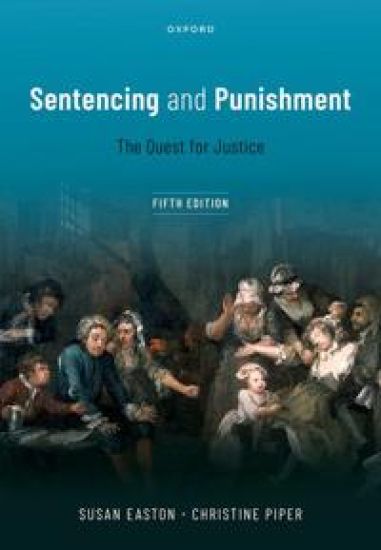
Examining the theory behind the headlines and engaging with current debates, this new edition provides thoughtful, impartial, and unbiased coverage of sentencing and punishment in the UK. Collectively, Susan Easton and Christine Piper are highly experienced teachers and researchers in this field, making them perfectly placed to deliver this lively account of a highly dynamic subject area. The book takes a thorough and systematic approach to sentencing and punishment, examining key topics from legal, philosophical, and practical perspectives. Offering in-depth and detailed coverage, while remaining clear and succinct, the authors deliver a balanced approach to the subject. Chapter summaries, discussion questions, and case studies help students to engage with the subject, apply their knowledge, and reflect upon debates. Fully reworked and restructured, this fifth edition has been updated to include developments such as the Sentencing Act 2020 and changes following the 2019 general election. This is the essential guide for anyone studying sentencing and punishment as part of a law or criminology course.
Sentencing and Punishment

Sentencing and Punishment

Susan Easton; Christine Piper

Oxford University Press
2022
nidottu
Examining the theory behind the headlines and engaging with current debates, this new edition provides thoughtful, impartial, and unbiased coverage of sentencing and punishment in the UK. Collectively, Susan Easton and Christine Piper are highly experienced teachers and researchers in this field, making them perfectly placed to deliver this lively account of a highly dynamic subject area. The book takes a thorough and systematic approach to sentencing and punishment, examining key topics from legal, philosophical, and practical perspectives. Offering in-depth and detailed coverage, while remaining clear and succinct, the authors deliver a balanced approach to the subject. Chapter summaries, discussion questions, and case studies help students to engage with the subject, apply their knowledge, and reflect upon debates. Fully reworked and restructured, this fifth edition has been updated to include developments such as the Sentencing Act 2020 and changes following the 2019 general election. This is the essential guide for anyone studying sentencing and punishment as part of a law or criminology course.
Sentencing and Punishment

Sentencing and Punishment

Susan Easton; Christine Piper

Oxford University Press
2016
nidottu
Examining the theoretical debates behind the headlines and engaging with current debates, Sentencing and Punishment provides thoughtful, impartial, and unbiased coverage of sentencing and punishment in the UK. Collectively, Susan Easton and Christine Piper are highly experienced teachers and researchers in this field, making them perfectly placed to deliver this lively account of a highly dynamic subject area. The book takes a thorough and systematic approach to sentencing and punishment, examining key topics from legal, philosophical, and practical perspectives. Offering in-depth and detailed coverage, while remaining succinct and readable, the authors deliver a balanced approach to the subject. Chapter summaries, discussion questions, and case studies help students to engage with the subject, apply their knowledge, and reflect upon debates. Fully reworked, restructured, and updated for this edition, and incorporating changes following the 2015 general election; this is the essential guide for anyone studying sentencing and punishment as part of a law or criminology course. The book is accompanied by an Online Resource Centre featuring: - Regular updates on case law, new legislation and key developments - Web links to further reading suggestions for each chapter of the book - Guidance on answering end of chapter questions - An online version of the textbook glossary
Investing in Children

Investing in Children

Christine Piper

Willan Publishing
2008
nidottu
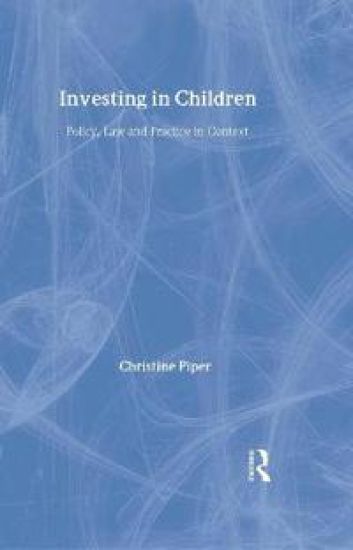
This book brings together insights from a range of disciplines, including law, sociology, criminology and history, to identify and explain the complex and inter-related factors which help or hinder the state to 'invest' in children and young people. The first part of the book examines the 'intangibles' - the ideologies, social constructions and moral precepts - which obstruct or encourage the passage and full implementation of legislation, policy and practice which hopes to improve the lives and prospects of children and young people. Notions of family and parental responsibility, assumptions about what children and young people 'are' and the extent to which they should be held accountable, and ideas around state investment against future risks are the key factors considered. The second part of the book focuses on the difficulties in practice of implementing policies aimed at investing in children's lives and futures. It reviews the role of science in the identification of risk factors related to poor outcomes for children and in the selection of target groups or areas for risk-based intervention to provide (early) support and preventative programmes for children and their families. It also assesses whether and how law does or could help to 'deliver' an appropriate investment of time and money in children, with a focus on the existence and effectiveness of a rights-based approach. The final chapters examine the results of research so far undertaken done on selected programmes in the Every Child Matters, social inclusion and Youth Justice Board policy agendas and they indentify promising developments. However, they also draw attention to the alternative agendas around children and young people which are competing for government money and the public's support and warn that there are dangers in a child-focused policy whose justification relies so heavily on future cost savings stemming from the production of healthier, more employable and law-abiding adults.
Investing in Children

Investing in Children

Christine Piper

Willan Publishing
2008
sidottu
This book brings together insights from a range of disciplines, including law, sociology, criminology and history, to identify and explain the complex and inter-related factors which help or hinder the state to 'invest' in children and young people. The first part of the book examines the 'intangibles' - the ideologies, social constructions and moral precepts - which obstruct or encourage the passage and full implementation of legislation, policy and practice which hopes to improve the lives and prospects of children and young people. Notions of family and parental responsibility, assumptions about what children and young people 'are' and the extent to which they should be held accountable, and ideas around state investment against future risks are the key factors considered. The second part of the book focuses on the difficulties in practice of implementing policies aimed at investing in children's lives and futures. It reviews the role of science in the identification of risk factors related to poor outcomes for children and in the selection of target groups or areas for risk-based intervention to provide (early) support and preventative programmes for children and their families. It also assesses whether and how law does or could help to 'deliver' an appropriate investment of time and money in children, with a focus on the existence and effectiveness of a rights-based approach. The final chapters examine the results of research so far undertaken done on selected programmes in the Every Child Matters, social inclusion and Youth Justice Board policy agendas and they indentify promising developments. However, they also draw attention to the alternative agendas around children and young people which are competing for government money and the public's support and warn that there are dangers in a child-focused policy whose justification relies so heavily on future cost savings stemming from the production of healthier, more employable and law-abiding adults.