Kirjojen hintavertailu. Mukana 12 595 353 kirjaa ja 12 kauppaa.

Kirjailija

Christine Straehle

Kirjat ja teokset yhdessä paikassa: 4 kirjaa, julkaisuja vuosilta 2012-2024, suosituimpien joukossa Debating Surrogacy. Vertaile teosten hintoja ja tarkista saatavuus suomalaisista kirjakaupoista.

4 kirjaa

Kirjojen julkaisuhaarukka 2012-2024.

Debating Surrogacy

Debating Surrogacy

Anca Gheaus; Christine Straehle

OXFORD UNIVERSITY PRESS INC
2024
nidottu
Surrogacy is the commissioning of a woman to gestate and give birth to a child for another would-be parent. The practice raises several ethical questions, such as the commodification of the surrogate and of the baby, and the exploitation of the surrogate, issues which have been extensively debated. This book offers a fresh take on surrogacy, by concentrating on questions which bear on its justifiability: Is providing gestational services a permissible way of employing a woman's body? Indeed, is it a legitimate form of work? Are the children born out of surrogacy in any way wronged by surrogacy agreements? In the first part of the book, Christine Straehle proposes an account of surrogacy work as legitimate work for women, as a way to realize certain goals in women's lives through the fruit of their labour. She defends a right to become a surrogate as necessary to protect women's autonomy. Anca Gheaus criticises surrogacy by arguing that it always wrongs children--whether or not it also harms them--by disrespecting them; therefore, gestational services are impermissible. In the second part, Straehle responds to Gheaus, questioning that children are wronged by the practice of surrogacy. Instead, she defends an intentional model of parental rights, which indicates that having a child through surrogacy should count as a ground to assign parental rights. In her response, Gheaus objects that Straehle's view fails to properly account for the interests of either surrogates or children. However, she accepts that women may gestate without the intention to have custody over the newborn, and is therefore open to some kind of post-surrogacy practice that would radically depart, in the allocation of legal parenthood, from any historical or currently proposed form of surrogacy.
Debating Surrogacy

Debating Surrogacy

Anca Gheaus; Christine Straehle

OXFORD UNIVERSITY PRESS INC
2024
sidottu
Surrogacy is the commissioning of a woman to gestate and give birth to a child for another would-be parent. The practice raises several ethical questions, such as the commodification of the surrogate and of the baby, and the exploitation of the surrogate, issues which have been extensively debated. This book offers a fresh take on surrogacy, by concentrating on questions which bear on its justifiability: Is providing gestational services a permissible way of employing a woman's body? Indeed, is it a legitimate form of work? Are the children born out of surrogacy in any way wronged by surrogacy agreements? In the first part of the book, Christine Straehle proposes an account of surrogacy work as legitimate work for women, as a way to realize certain goals in women's lives through the fruit of their labour. She defends a right to become a surrogate as necessary to protect women's autonomy. Anca Gheaus criticises surrogacy by arguing that it always wrongs children--whether or not it also harms them--by disrespecting them; therefore, gestational services are impermissible. In the second part, Straehle responds to Gheaus, questioning that children are wronged by the practice of surrogacy. Instead, she defends an intentional model of parental rights, which indicates that having a child through surrogacy should count as a ground to assign parental rights. In her response, Gheaus objects that Straehle's view fails to properly account for the interests of either surrogates or children. However, she accepts that women may gestate without the intention to have custody over the newborn, and is therefore open to some kind of post-surrogacy practice that would radically depart, in the allocation of legal parenthood, from any historical or currently proposed form of surrogacy.
Legislated Inequality

Legislated Inequality

Patti Tamara Lenard; Christine Straehle

McGill-Queen's University Press
2012
sidottu
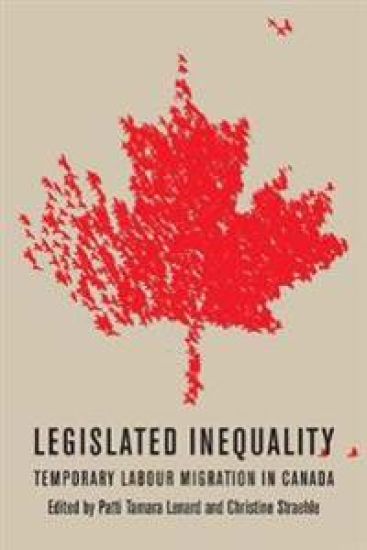
Historically, Canada has adopted immigration policies focused on admitting migrants who were expected to become citizens. A dramatic shift has occurred in recent years as the number of temporary labourers admitted to Canada has increased substantially. Legislated Inequality critically evaluates this radical development in Canadian immigration, arguing that it threatens to undermine Canada's success as an immigrant nation. Assessing each of the four major temporary labour migration programs in Canada, contributors from a range of disciplines - including comparative political science, philosophy, and sociology - show how temporary migrants are posed to occupy a permanent yet marginal status in society and argue that Canada's temporary labour policy must undergo fundamental changes in order to support Canada's long held immigration goals. The difficult working conditions faced by migrant workers, as well as the economic and social dangers of relying on temporary migration to relieve labour shortages, are described in detail. Legislated Inequality provides an essential critical analysis of the failings of temporary labour migration programs in Canada and proposes tangible ways to improve the lives of labourers. Contributors include Abigail B. Bakan (Queen's University), Tom Carter (University of Manitoba), Sarah D'Aoust (University of Ottawa), Christina Gabriel (Carleton University), Jill Hanley (McGill University), Jenna Hennebry (Wilfrid Laurier University), Christine Hughes (Carleton University), Karen D. Hughes (University of Alberta), Jahhon Koo (McGill University), Patti Tamara Lenard (University of Ottawa), Laura Macdonald (Carleton University), Janet McLaughlin (Wilfrid Laurier University), Delphine Nakache (University of Ottawa), Jacqueline Oxman-Martinez (Universite de Montreal), Kerry Priebisch (University of Guelph), Andre Rivard (University of Windsor), Nandita Sharma (University of Hawaii), Eric Shragge (Concordia University), Denise Spitzer (University of Ottawa), Daiva Stasuilus (Carleton University) Christine Straehle (University of Ottawa), Patricia Tomic (University of British Columbia, Okanagan), Sarah Torres (University of Ottawa), and Richard Trumper (University of British Columbia, Okanagan).
Legislated Inequality

Legislated Inequality

Patti Tamara Lenard; Christine Straehle

McGill-Queen's University Press
2012
nidottu
Historically, Canada has adopted immigration policies focused on admitting migrants who were expected to become citizens. A dramatic shift has occurred in recent years as the number of temporary labourers admitted to Canada has increased substantially. Legislated Inequality critically evaluates this radical development in Canadian immigration, arguing that it threatens to undermine Canada's success as an immigrant nation. Assessing each of the four major temporary labour migration programs in Canada, contributors from a range of disciplines - including comparative political science, philosophy, and sociology - show how temporary migrants are posed to occupy a permanent yet marginal status in society and argue that Canada's temporary labour policy must undergo fundamental changes in order to support Canada's long held immigration goals. The difficult working conditions faced by migrant workers, as well as the economic and social dangers of relying on temporary migration to relieve labour shortages, are described in detail. Legislated Inequality provides an essential critical analysis of the failings of temporary labour migration programs in Canada and proposes tangible ways to improve the lives of labourers. Contributors include Abigail B. Bakan (Queen's University), Tom Carter (University of Manitoba), Sarah D'Aoust (University of Ottawa), Christina Gabriel (Carleton University), Jill Hanley (McGill University), Jenna Hennebry (Wilfrid Laurier University), Christine Hughes (Carleton University), Karen D. Hughes (University of Alberta), Jahhon Koo (McGill University), Patti Tamara Lenard (University of Ottawa), Laura Macdonald (Carleton University), Janet McLaughlin (Wilfrid Laurier University), Delphine Nakache (University of Ottawa), Jacqueline Oxman-Martinez (Universite de Montreal), Kerry Priebisch (University of Guelph), Andre Rivard (University of Windsor), Nandita Sharma (University of Hawaii), Eric Shragge (Concordia University), Denise Spitzer (University of Ottawa), Daiva Stasuilus (Carleton University) Christine Straehle (University of Ottawa), Patricia Tomic (University of British Columbia, Okanagan), Sarah Torres (University of Ottawa), and Richard Trumper (University of British Columbia, Okanagan).