
Kirjailija
Christoph Gerhard
Kirjat ja teokset yhdessä paikassa: 12 kirjaa, julkaisuja vuosilta 2010-2024, suosituimpien joukossa Hospizliche Altenpflege. Vertaile teosten hintoja ja tarkista saatavuus suomalaisista kirjakaupoista.
12 kirjaa
Kirjojen julkaisuhaarukka 2010-2024.



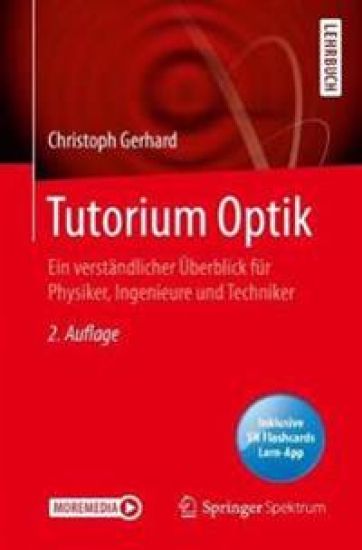
Dieses Lehrbuch bietet einen kompakten und einfachen Einstieg in die Optik und unterstützt Studierende der Physik, Technik und anderer angewandter Fächer beim Lernen und Verstehen der Grundlagen und Anwendungen. Der Autor liefert einen anschaulichen Überblick über die essenziellen Teilgebiete der Optik und behandelt die grundlegenden Mechanismen und Prinzipien der Entstehung und Eigenschaften des Lichts, der Lichtausbreitung, Licht-Materie-Wechselwirkungen sowie der optischen Abbildung und Abbildungsfehler. Die Beschreibung von optischen Materialien, Komponenten sowie Laserquellen und Laserstrahlung rundet den Inhalt des Tutoriums ab.Durch zahlreiche Verständnisfragen und Rechenaufgaben unterschiedlicher Schwierigkeitsgrade dient das Tutorium als wertvolle Lernhilfe zur Vertiefung der im Studium und in der Ausbildung vermittelten Lehrinhalte. Die übersichtliche Zusammenfassung der zentralen Erkenntnisse in jedem Teilkapitel und eine Formelsammlung der jeweils wichtigsten mathematisch-physikalischen Zusammenhänge helfen zusätzlich beim Lernen und bei der Prüfungsvorbereitung. Darüber hinaus tragen Beispiele von Alltagsphänomenen, die sich auch in den Übungsaufgaben wiederfinden, zur Veranschaulichung von grundlegenden optischen Gesetzmäßigkeiten und Effekten bei.Im Rahmen dieser überarbeiteten und aktualisierten 2. Auflage erhalten Leser des gedruckten Buches zusätzlich kostenlosen Zugang zu allen Verständnisfragen über die Springer Nature Flashcards-App. Mit Hilfe der digitalen Lernkarten samt ausführlichen Lösungen kann man jederzeit und überall das erlernte Wissen überprüfen.

Optical components are essential key elements in modern engineering and everyday life. The education of skilled personnel and specialists in the fields of theoretical and practical optics manufacturing is of essential importance for next-generation technologies. Against this background, this book provides the basis for the education and advanced training of precision and ophthalmic optics technicians, craftsmen, and foremen, and it is an extensive reference work for students, academics, optical designers or shop managers, and production engineers. It not only covers particularly used and applied machines, working materials, testing procedures, and machining steps for classical optics manufacturing, but it also addresses the production and specification of optical glasses as well as unconventional production techniques and novel approaches. Optics Manufacturing: Components and Systems furthermore covers the basics of light propagation and provides an overview on optical materials and components; presents an introduction and explanation of the necessary considerations and procedures for the initial definition of manufacturing tolerances and the relevant industrial standards for optics manufacturing; and addresses the production of micro optics, the assembly of opto-mechanical setups and possible manufacturing errors, and the impact of the resulting inaccuracies. In order to allow fast and clear access to the most essential information, each chapter ends with a short summary of the most important aspects, including an explanation of relevant equations, symbols, and abbreviations. For further reading, extensive lists of references are also provided. Finally, exercises on the covered basic principles of optics, approaches, and techniques of optics manufacturing—including their corresponding detailed solutions—are found in the appendix.
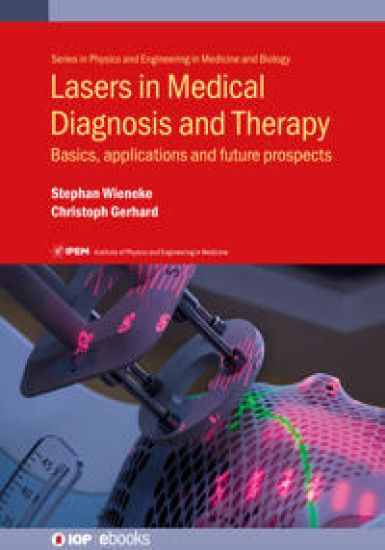
Lasers in Medical Diagnosis and Therapy
Christoph Gerhard; Stephan Wieneke
Institute of Physics Publishing
2018
sidottu
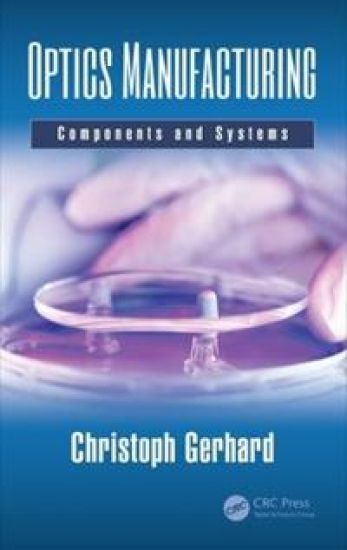
Optical components are essential key elements in modern engineering and everyday life. The education of skilled personnel and specialists in the fields of theoretical and practical optics manufacturing is of essential importance for next-generation technologies. Against this background, this book provides the basis for the education and advanced training of precision and ophthalmic optics technicians, craftsmen, and foremen, and it is an extensive reference work for students, academics, optical designers or shop managers, and production engineers. It not only covers particularly used and applied machines, working materials, testing procedures, and machining steps for classical optics manufacturing, but it also addresses the production and specification of optical glasses as well as unconventional production techniques and novel approaches. Optics Manufacturing: Components and Systems furthermore covers the basics of light propagation and provides an overview on optical materials and components; presents an introduction and explanation of the necessary considerations and procedures for the initial definition of manufacturing tolerances and the relevant industrial standards for optics manufacturing; and addresses the production of micro optics, the assembly of opto-mechanical setups and possible manufacturing errors, and the impact of the resulting inaccuracies. In order to allow fast and clear access to the most essential information, each chapter ends with a short summary of the most important aspects, including an explanation of relevant equations, symbols, and abbreviations. For further reading, extensive lists of references are also provided. Finally, exercises on the covered basic principles of optics, approaches, and techniques of optics manufacturing—including their corresponding detailed solutions—are found in the appendix.
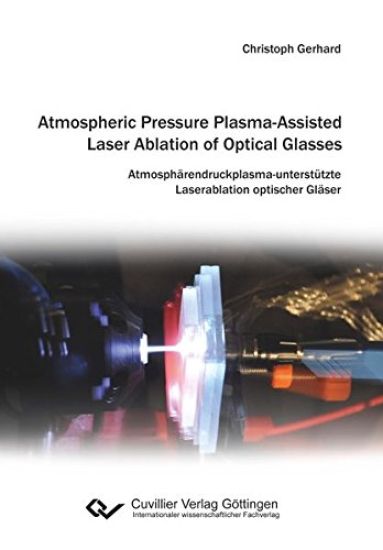
Atmospheric Pressure Plasma-Assisted Laser Ablation of Optical Glasses. Atmosphärendruckplasma-unterstützte Laserablation optischer Gläser
Christoph Gerhard
Cuvillier
2014
nidottu