Kirjojen hintavertailu. Mukana 12 390 323 kirjaa ja 12 kauppaa.
Kirjailija
Christopher James Blythe
Kirjat ja teokset yhdessä paikassa: 4 kirjaa, julkaisuja vuosilta 2020-2025, suosituimpien joukossa The Three Nephites. Vertaile teosten hintoja ja tarkista saatavuus suomalaisista kirjakaupoista.
Hundreds of Nephite stories with essays on the genre’s place in the lives of Latter-day Saints Stories of encounters with the Three Nephites, immortal saint-like figures, dominate the folklore of the Latter-day Saint tradition. The authors of this volume use hundreds of legends collected by the renowned folklorist William A. Wilson from across a lifetime of research, study, and interviews to focus on the different themes exhibited by the Three Nephites and show that LDS culture, beliefs, and values are embodied by and through the Three Nephites.
Hundreds of Nephite stories with essays on the genre’s place in the lives of Latter-day Saints Stories of encounters with the Three Nephites, immortal saint-like figures, dominate the folklore of the Latter-day Saint tradition. The authors of this volume use hundreds of legends collected by the renowned folklorist William A. Wilson from across a lifetime of research, study, and interviews to focus on the different themes exhibited by the Three Nephites and show that LDS culture, beliefs, and values are embodied by and through the Three Nephites.
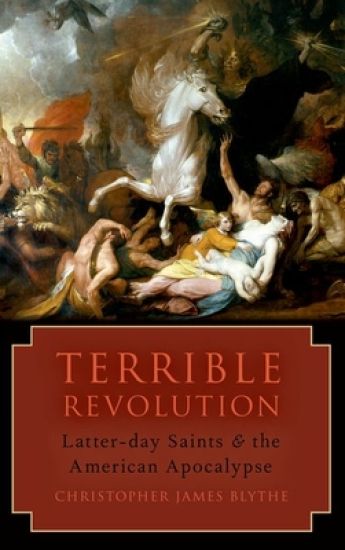
The relationship between early Mormons and the United States was marked by anxiety and hostility, heightened over the course of the nineteenth century by the assassination of Mormon leaders, the Saints' exile from Missouri and Illinois, the military occupation of the Utah territory, and the national crusade against those who practiced plural marriage. Nineteenth-century Latter-day Saints looked forward to apocalyptic events that would unseat corrupt governments across the globe, particularly the tyrannical government of the United States. The infamous "White Horse Prophecy" referred to this coming American apocalypse as "a terrible revolution… in the land of America, such as has never been seen before; for the land will be literally left without a supreme government." Mormons envisioned divine deliverance by way of plagues, natural disasters, foreign invasions, American Indian raids, slave uprisings, or civil war unleashed on American cities and American people. For the Saints, these violent images promised a national rebirth that would vouchsafe the protections of the United States Constitution and end their oppression. In Terrible Revolution, Christopher James Blythe examines apocalypticism across the history of the Church of Jesus Christ of Latter-day Saints, particularly as it took shape in the writings and visions of the laity. The responses of the church hierarchy to apocalyptic lay prophecies promoted their own form of separatist nationalism during the nineteenth century. Yet, after Utah obtained statehood, as the church sought to assimilate to national religious norms, these same leaders sought to lessen the tensions between themselves and American political and cultural powers. As a result, visions of a violent end to the nation became a liability to disavow and regulate. Ultimately, Blythe argues that the visionary world of early Mormonism, with its apocalyptic emphases, continued in the church's mainstream culture in forms but continued to maintain separatist radical forms at the level of folk-belief.
The relationship between early Mormons and the United States was marked by anxiety and hostility, heightened over the course of the nineteenth century by the assassination of Mormon leaders, the Saints' exile from Missouri and Illinois, the military occupation of the Utah territory, and the national crusade against those who practiced plural marriage. Nineteenth-century Latter-day Saints looked forward to apocalyptic events that would unseat corrupt governments across the globe, particularly the tyrannical government of the United States. The infamous "White Horse Prophecy" referred to this coming American apocalypse as "a terrible revolution… in the land of America, such as has never been seen before; for the land will be literally left without a supreme government." Mormons envisioned divine deliverance by way of plagues, natural disasters, foreign invasions, American Indian raids, slave uprisings, or civil war unleashed on American cities and American people. For the Saints, these violent images promised a national rebirth that would vouchsafe the protections of the United States Constitution and end their oppression. In Terrible Revolution, Christopher James Blythe examines apocalypticism across the history of the Church of Jesus Christ of Latter-day Saints, particularly as it took shape in the writings and visions of the laity. The responses of the church hierarchy to apocalyptic lay prophecies promoted their own form of separatist nationalism during the nineteenth century. Yet, after Utah obtained statehood, as the church sought to assimilate to national religious norms, these same leaders sought to lessen the tensions between themselves and American political and cultural powers. As a result, visions of a violent end to the nation became a liability to disavow and regulate. Ultimately, Blythe argues that the visionary world of early Mormonism, with its apocalyptic emphases, continued in the church's mainstream culture in modified forms but continued to maintain separatist radical forms at the level of folk-belief.