Kirjojen hintavertailu. Mukana 12 657 676 kirjaa ja 12 kauppaa.

Kirjailija

Christopher L. J. Frid

Kirjat ja teokset yhdessä paikassa: 4 kirjaa, julkaisuja vuosilta 2015-2017, suosituimpien joukossa Marine Pollution. Vertaile teosten hintoja ja tarkista saatavuus suomalaisista kirjakaupoista.

4 kirjaa

Kirjojen julkaisuhaarukka 2015-2017.

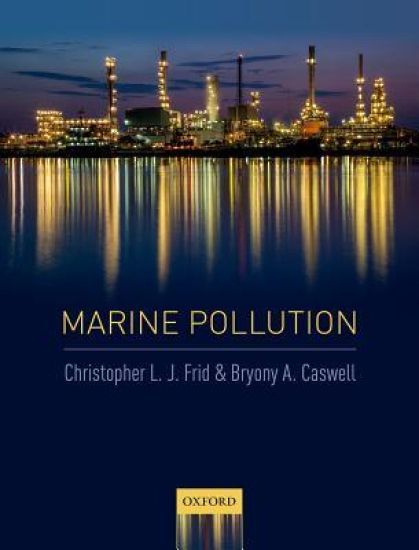
Marine Pollution

Marine Pollution

Christopher L. J. Frid; Bryony A. Caswell

Oxford University Press
2017
sidottu
As a society, we use more than 100,000 different industrial compounds to promote health and treat disease, to grow food and to access clean water. While technological developments have improved our lives, most of these compounds end up in our oceans where they threaten marine life and human health. The practice of ocean waste disposal has had a long history and was initially believed to have minimal associated costs. However, it is now clear that although we can use the oceans for cheap waste treatment, we do this at the expense of the other key benefits we derive from the sea, notably human food supplies as well as its aesthetic value (including opportunities for recreation and tourism). Many of the pollution problems of previous decades appear to have been solved in the developed world, or at least managed to minimise their environmental impacts. However, despite treatment being available for some waste products, a potent mixture of toxic compounds and other potentially harmful additions continue to enter the marine environment every day. So, have the problems of marine pollution really been solved or have we simply generated a suite of different and potentially more complex challenges? In this volume we consider marine pollution from the perspective of the historical problems that are now successfully managed or solved, the ongoing problems and the emerging challenges that we face. These include hormone mimics, the residues from pharmaceuticals, nanometre-sized particles added to new materials, the millimetric plastics added to shampoos and cosmetics, the artificial fibres in the clothes we wear, and the noise and light pollution from our expanding industries and cities. Marine Pollution is aimed at senior undergraduates, masters and graduate level students studying marine sciences. It will also serve as a useful reference for researchers and professionals working in the fields of environmental management, marine planning, marine environmental regulation and protection, as well as those working for government departments, environmental NGOs and marine environmental consultancies.
Marine Pollution

Marine Pollution

Christopher L. J. Frid; Bryony A. Caswell

Oxford University Press
2017
nidottu
As a society, we use more than 100,000 different industrial compounds to promote health and treat disease, to grow food and to access clean water. While technological developments have improved our lives, most of these compounds end up in our oceans where they threaten marine life and human health. The practice of ocean waste disposal has had a long history and was initially believed to have minimal associated costs. However, it is now clear that although we can use the oceans for cheap waste treatment, we do this at the expense of the other key benefits we derive from the sea, notably human food supplies as well as its aesthetic value (including opportunities for recreation and tourism). Many of the pollution problems of previous decades appear to have been solved in the developed world, or at least managed to minimise their environmental impacts. However, despite treatment being available for some waste products, a potent mixture of toxic compounds and other potentially harmful additions continue to enter the marine environment every day. So, have the problems of marine pollution really been solved or have we simply generated a suite of different and potentially more complex challenges? In this volume we consider marine pollution from the perspective of the historical problems that are now successfully managed or solved, the ongoing problems and the emerging challenges that we face. These include hormone mimics, the residues from pharmaceuticals, nanometre-sized particles added to new materials, the millimetric plastics added to shampoos and cosmetics, the artificial fibres in the clothes we wear, and the noise and light pollution from our expanding industries and cities. Marine Pollution is aimed at senior undergraduates, masters and graduate level students studying marine sciences. It will also serve as a useful reference for researchers and professionals working in the fields of environmental management, marine planning, marine environmental regulation and protection, as well as those working for government departments, environmental NGOs and marine environmental consultancies.
Marine Ecosystems

Marine Ecosystems

Tasman P. Crowe; Christopher L. J. Frid

Cambridge University Press
2015
pokkari
Ecosystem services are emerging as a key driver of conservation policy and environmental management. Delivery of ecosystem services depends on the efficient functioning of ecosystems, which in turn depends on biodiversity and environmental conditions. Many marine ecosystems are extremely productive and highly valued, but they are increasingly threatened by human activities. With contributions from leading researchers, this volume synthesises current understanding of the effects on biodiversity and ecosystem functioning caused by a variety of human activities and pressures at play in coastal marine ecosystems. The authors examine the likely consequences for ecosystem service provision, covering key topics including fisheries, aquaculture, physical structures, nutrients, chemical contaminants, marine debris and invasive species. Critically reviewing the latest developments, this is a unique resource both for environmental managers and policy-makers, and for researchers and students in marine ecology and environmental management.
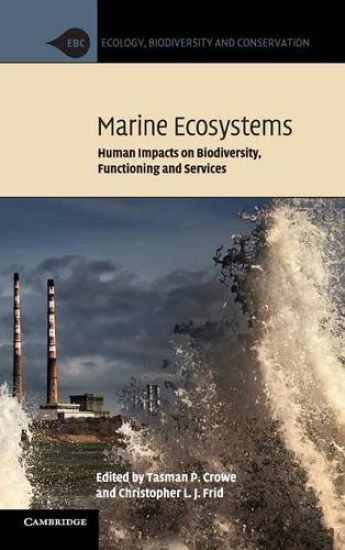
Marine Ecosystems

Marine Ecosystems

Tasman P. Crowe; Christopher L. J. Frid

Cambridge University Press
2015
sidottu
Ecosystem services are emerging as a key driver of conservation policy and environmental management. Delivery of ecosystem services depends on the efficient functioning of ecosystems, which in turn depends on biodiversity and environmental conditions. Many marine ecosystems are extremely productive and highly valued, but they are increasingly threatened by human activities. With contributions from leading researchers, this volume synthesises current understanding of the effects on biodiversity and ecosystem functioning caused by a variety of human activities and pressures at play in coastal marine ecosystems. The authors examine the likely consequences for ecosystem service provision, covering key topics including fisheries, aquaculture, physical structures, nutrients, chemical contaminants, marine debris and invasive species. Critically reviewing the latest developments, this is a unique resource both for environmental managers and policy-makers, and for researchers and students in marine ecology and environmental management.