Kirjojen hintavertailu. Mukana 12 595 353 kirjaa ja 12 kauppaa.
Kirjailija
Christopher M. Driscoll
Kirjat ja teokset yhdessä paikassa: 6 kirjaa, julkaisuja vuosilta 2015-2022, suosituimpien joukossa White Devils, Black Gods. Vertaile teosten hintoja ja tarkista saatavuus suomalaisista kirjakaupoista.
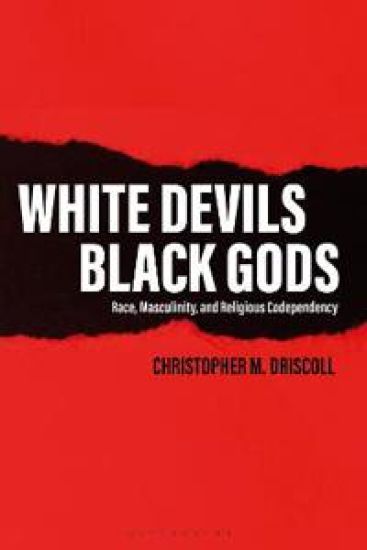
Interweaving academic theory, (auto)ethnography, and memoir-styled narrative, Christopher M. Driscoll explores what the “white devil” trope means for understanding and responding to tensions emerging from toxic white masculinity.The book provides a historical and philosophical account of the “white devil” as it appears in the stories and myths of various black religious and philosophical traditions, particularly as these traditions are expressed through the contemporary cultural expression of hip-hop. Driscoll argues that the trope of the white devil emerges from a self-hatred in many white men that is concealed (and revealed) through various defence mechanisms – principally, anger – and the book provides rich ground to discuss the relationship between perceptions of self (i.e. who we are), emotional regulation, and our behaviour towards others (i.e. how we act).
Interweaving academic theory, (auto)ethnography, and memoir-styled narrative, Christopher M. Driscoll explores what the “white devil” trope means for understanding and responding to tensions emerging from toxic white masculinity.The book provides a historical and philosophical account of the “white devil” as it appears in the stories and myths of various black religious and philosophical traditions, particularly as these traditions are expressed through the contemporary cultural expression of hip-hop. Driscoll argues that the trope of the white devil emerges from a self-hatred in many white men that is concealed (and revealed) through various defence mechanisms – principally, anger – and the book provides rich ground to discuss the relationship between perceptions of self (i.e. who we are), emotional regulation, and our behaviour towards others (i.e. how we act).
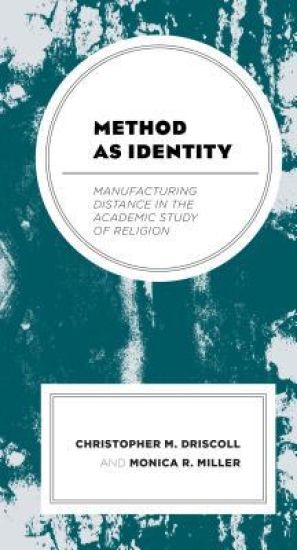
Method as Identity: Manufacturing Distance in the Academic Study of Religion emphasizes the inexorable influence that social identities exert in shaping methodological choices within the academic study of religion, as witnessed in sui generis appeals to particularity and reliance on (or rejection of) identity-based standpoints. Can data speak back, and if so, would scholars have ears to listen? With a refreshing hip hop sensibility, Miller and Driscoll argue that what cultural theorist Jean-François Bayart refers to as a “battle for identity” forces a necessary confrontation with the (impact of) social identities (and, their histories) haunting our fields of study. These complex categorical specters make it nearly impossible to untether the categories of identity that we come to study from the identity of categories shaping our methodological lenses. Treating method as an identity-revealing technique of distance-making between the “proper” scholar and the less-than-scholarly advocate for religion, Miller and Driscoll examine a variety of discursive milieus of vagueness (consider for instance “essentialism,” “origins,” “authenticity”) at work in the contemporary discussion of “critical” methods that lack the necessary specificity for doing the heavy-lifting of analytically handling the asymmetrical dimensions of power part and parcel to social identification. Through interdisciplinary discussions that draw on thinkers including Charles H Long, Bruce Lincoln, Russell T. McCutcheon, Theodor Adorno, Jacques Derrida, C. Wright Mills, Laurel C. Schneider, William D. Hart, Tomoko Masuzawa, Anthony B. Pinn, bell hooks, Roderick Ferguson, John L. Jackson, Jasbir Puar, and Jean-François Bayart, among others, Method as Identity intentionally blurs the lines classifying “proper” scholarly approach and proper “objects” of study. With an intentional effort to challenge the de facto disciplinary segregation marking the field and study of religion today, Method as Identity will be of interest to scholars involved in discussions about theory and method for the study of religion, and especially researchers working at the intersections of identity, difference, and classification—and the politics thereof.
Method as Identity: Manufacturing Distance in the Academic Study of Religion emphasizes the inexorable influence that social identities exert in shaping methodological choices within the academic study of religion, as witnessed in sui generis appeals to particularity and reliance on (or rejection of) identity-based standpoints. Can data speak back, and if so, would scholars have ears to listen? With a refreshing hip hop sensibility, Miller and Driscoll argue that what cultural theorist Jean-François Bayart refers to as a “battle for identity” forces a necessary confrontation with the (impact of) social identities (and, their histories) haunting our fields of study. These complex categorical specters make it nearly impossible to untether the categories of identity that we come to study from the identity of categories shaping our methodological lenses. Treating method as an identity-revealing technique of distance-making between the “proper” scholar and the less-than-scholarly advocate for religion, Miller and Driscoll examine a variety of discursive milieus of vagueness (consider for instance “essentialism,” “origins,” “authenticity”) at work in the contemporary discussion of “critical” methods that lack the necessary specificity for doing the heavy-lifting of analytically handling the asymmetrical dimensions of power part and parcel to social identification. Through interdisciplinary discussions that draw on thinkers including Charles H Long, Bruce Lincoln, Russell T. McCutcheon, Theodor Adorno, Jacques Derrida, C. Wright Mills, Laurel C. Schneider, William D. Hart, Tomoko Masuzawa, Anthony B. Pinn, bell hooks, Roderick Ferguson, John L. Jackson, Jasbir Puar, and Jean-François Bayart, among others, Method as Identity intentionally blurs the lines classifying “proper” scholarly approach and proper “objects” of study. With an intentional effort to challenge the de facto disciplinary segregation marking the field and study of religion today, Method as Identity will be of interest to scholars involved in discussions about theory and method for the study of religion, and especially researchers working at the intersections of identity, difference, and classification—and the politics thereof.
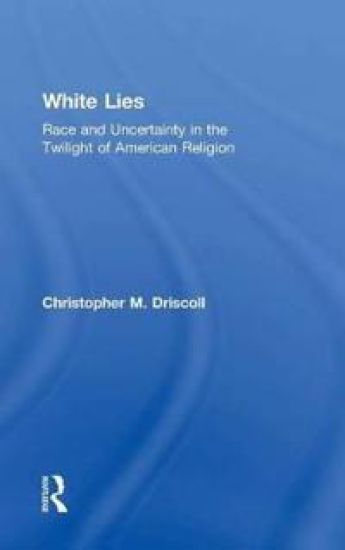
White Lies considers African-American bodies as the site of cultural debates over a contested "white religion" in the United States. Rooting his analysis in the work of W.E.B. DuBois and James Baldwin, Christopher Driscoll traces the shifting definitions of "white religion" from the nineteenth century up to the death of Michael Brown and other racial controversies of the present day. He engages both modern philosophers and popular imagery to isolate the instabilities central to a "white religion," including the inadequacy of this framing concept as a way of describing and processing death. The book will be of interest to students and scholars interested in African-American Religion, philosophy and race, and Whiteness Studies.
White Lies considers African-American bodies as the site of cultural debates over a contested "white religion" in the United States. Rooting his analysis in the work of W.E.B. DuBois and James Baldwin, Christopher Driscoll traces the shifting definitions of "white religion" from the nineteenth century up to the death of Michael Brown and other racial controversies of the present day. He engages both modern philosophers and popular imagery to isolate the instabilities central to a "white religion," including the inadequacy of this framing concept as a way of describing and processing death. The book will be of interest to students and scholars interested in African-American Religion, philosophy and race, and Whiteness Studies.