Kirjojen hintavertailu. Mukana 12 595 353 kirjaa ja 12 kauppaa.

Kirjailija

Christopher M. Johnson

Kirjat ja teokset yhdessä paikassa: 7 kirjaa, julkaisuja vuosilta 2008-2025, suosituimpien joukossa How to Talk to Your Child's Doctor. Vertaile teosten hintoja ja tarkista saatavuus suomalaisista kirjakaupoista.

7 kirjaa

Kirjojen julkaisuhaarukka 2008-2025.

Critical Thinking for English-Language Learners

Critical Thinking for English-Language Learners

Christopher M. Johnson; Anne McLellan Howard

TAYLOR FRANCIS LTD
2025
sidottu
Critical Thinking for English-Language Learners is an accessible introduction to critical thinking and the use of informal logic for learners of English. Critical thinking skills are key to helping students learn how to reason in English. By developing informal logic skills, students can develop their critical thinking abilities to better assess why different types of arguments are successful or unsuccessful.The textbook:introduces key concepts in critical thinking, informal logic, and argumentation;supports the development of students’ language ability by including chapter English notes which show how to express logical connections in English and give a deeper understanding of English vocabulary;provides step-by-step guidance on how to make and critique different types of arguments, and how to understand connections between ideas and their various implications;includes pre-reading questions, activities, and exercises in each chapter;is supported by a series of PowerPoint presentations, extra review exercises, and instructor resources onlineProviding students with key skills to make and critique arguments in English, this book is a key resource for beginning and intermediate learners of English studying Critical Thinking, English for Academic Purposes, and Introduction to Philosophy.
Critical Thinking for English-Language Learners

Critical Thinking for English-Language Learners

Christopher M. Johnson; Anne McLellan Howard

TAYLOR FRANCIS LTD
2025
nidottu
Critical Thinking for English-Language Learners is an accessible introduction to critical thinking and the use of informal logic for learners of English. Critical thinking skills are key to helping students learn how to reason in English. By developing informal logic skills, students can develop their critical thinking abilities to better assess why different types of arguments are successful or unsuccessful.The textbook:introduces key concepts in critical thinking, informal logic, and argumentation;supports the development of students’ language ability by including chapter English notes which show how to express logical connections in English and give a deeper understanding of English vocabulary;provides step-by-step guidance on how to make and critique different types of arguments, and how to understand connections between ideas and their various implications;includes pre-reading questions, activities, and exercises in each chapter;is supported by a series of PowerPoint presentations, extra review exercises, and instructor resources onlineProviding students with key skills to make and critique arguments in English, this book is a key resource for beginning and intermediate learners of English studying Critical Thinking, English for Academic Purposes, and Introduction to Philosophy.

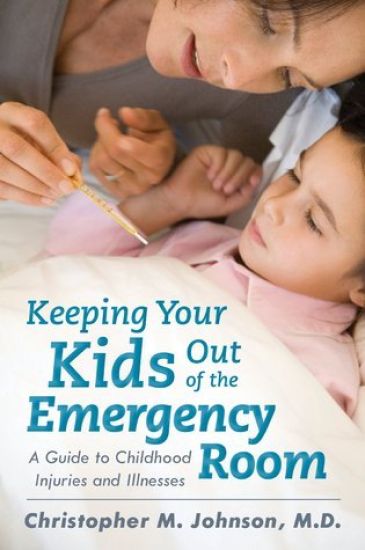
Keeping Your Kids Out of the Emergency Room

Keeping Your Kids Out of the Emergency Room

Christopher M. Johnson

Rowman Littlefield
2013
sidottu
Last year America’s 76 million children made 27 million trips to hospital emergency departments—one for every three children. That represents a lot of fevers, coughs, sore ears, twisted ankles, and broken bones, plus the wide gamut of other illnesses and injuries children can experience. Whether or not an emergency room visit was warranted for each of these visits, however, is an entirely different story. Keeping Your Kids Out of the Emergency Room is an essential guide to the most common illnesses, injuries, and ailments that send kids to the ER, and when particular symptoms warrant those trips or not. Christopher Johnson, a seasoned pediatrician, offers a go-to resource for all new parents and parents of young children, providing solid information on those instances when a trip to the ER is essential, when a trip to the doctor will suffice, and when a wait and see approach works best. He tackles all the most common ailments that cause parents to wonder if they should take their child to the emergency department. Since these problems appear as a bundle of symptoms, not a diagnosis, the book is organized around what parents actually see in front of them. It also teaches parents how emergency departments work, so the experience is understandable when a trip to the ER is essential. With this helpful guide, any parent can learn practical things about which pediatric health problems need immediate attention, which do not, and how to tell the two apart. Knowing the differences, and understanding those situations that require immediate care and those that don’t, may help parents avoid the emergency room and still get the best care for their child in the meantime. Every new parent, or parent of young children, will find here a ready introduction to the most common childhood ailments, and when they rise to the level of true emergencies. Knowing what to do before a child becomes ill or injured will help parents make informed decisions when situations arise.
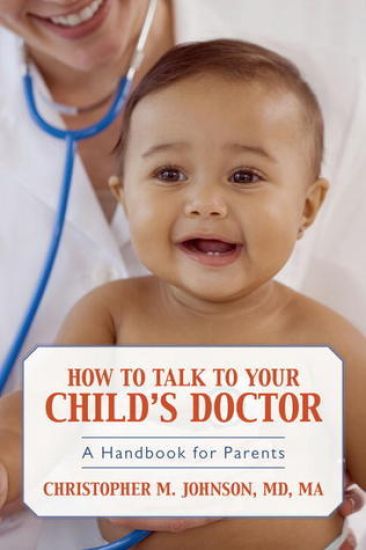
How to Talk to Your Child's Doctor

How to Talk to Your Child's Doctor

Christopher M. Johnson

Prometheus Books
2008
pokkari
A two-year-old develops a nasty cough and after experiencing breathing problems, his concerned parents take him to the emergency room. The doctor on call diagnoses his symptoms as croup, prescribes treatment, but days later the cough is no better. After another trip to the emergency room, x-rays, respiratory therapy, and treatment for asthma, the little boy still cannot shake his cough and breathing difficulties. Finally, two weeks later, the family doctor suggests an examination by an ear-nose-and-throat specialist. Using a bronchoscope, the specialist finds a small piece of plastic from a toy lodged in the edge of the child's trachea. After removing the obstruction, the boy returns to normal within a day. In fact, he never had croup or asthma. Could this lengthy, frustrating experience have been avoided? In this illuminating guide to communicating with your child's doctor, pediatrician Christopher M. Johnson shows parents how to talk more effectively to their doctors about their children's health. Johnson takes the nonmedical layperson into the mindset of the physician examining a sick child for the first time. He demonstrates how doctors evaluate symptoms, interpret answers to their questions, and decide on a course of treatment. The book invites and then empowers parents to join their child's doctor as a partner in the diagnostic and therapeutic process. Each chapter ends with a communication checklist to help parents find the right words while visiting the doctor. Dr. Johnson covers the following topics: The medical history and why it is so important How and why the doctor examines your child How a doctor uses lab tests How a doctor arrives at a diagnosis Time-honored medical wisdom that all doctors rely on The difference between specific treatments and supportive care when a diagnosis is uncertain Consulting specialists along with the family physician The final chapter encourages the reader to become a sort of "junior doctor" by presenting several real-life cases and challenging the reader to work through the problem as a physician would. This jargon-free and completely accessible guidebook will enable you to assist your child's doctor in the vital work of effectively caring for your child in health and illness.