
Kirjailija
Christopher Phelps
Kirjat ja teokset yhdessä paikassa: 7 kirjaa, julkaisuja vuosilta 2005-2026, suosituimpien joukossa Word Problems. Vertaile teosten hintoja ja tarkista saatavuus suomalaisista kirjakaupoista.
7 kirjaa
Kirjojen julkaisuhaarukka 2005-2026.

Word Problems is the second book of poems from Christopher Phelps. Lyric, experimental, and prose poems ravel like strands of a trefoil knot. Philosophical and etymological investigations; personal experiences and historical questions tongue-tie and -untie one another, unfinishing each other's sentences and insistences, refrains and reframings. Searching the intimacies of divinity, personhood, and queer liberation, these poems are intrepid, heady, hearty explorations of how sources of meaning are found and find themselves anew.
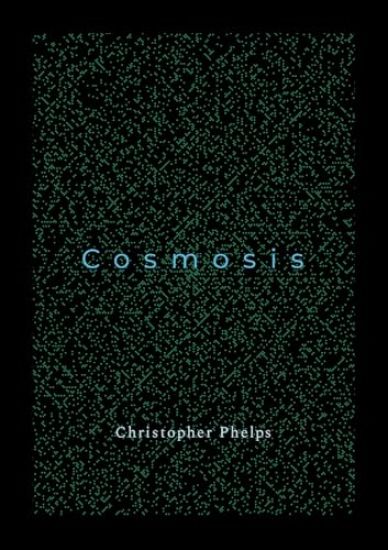
Cosmosis is the first full-length collection of poems from Christopher Phelps. Unlocked by key phrases from Emily Dickinson, these lyric and narrative poems explore the bind, the bounds, and the braid of desire, loss, and spirituality. Alert to the riddles and textures of language, questions are quests and answers are put to the tests of feeling. Notes to self that invite others; open letters filled with personal discoveries, these meditations center on the luck of being alive and the wish to understand how, if not in vain, to live.

The Complete Book On Dental Marketing - 2 Volume Set
Christopher Phelps
Edra Publishing US LLC
2023
sidottu
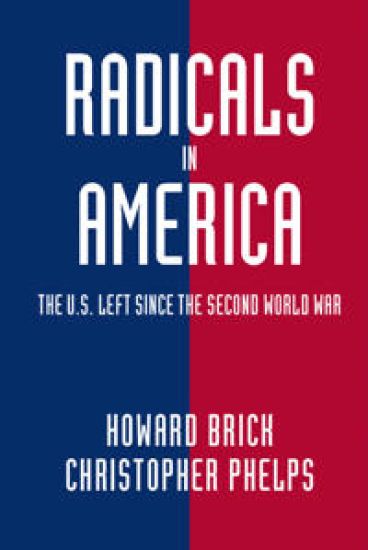
Radicals in America is a masterful history of controversial dissenters who pursued greater equality, freedom and democracy - and transformed the nation. Written with clarity and verve, Radicals in America shows how radical leftists, while often marginal or ostracized, could assume a catalytic role as effective organizers in mass movements, fostering the imagination of alternative futures. Beginning with the Second World War, Radicals in America extends all the way down to the present, making it the first comprehensive history of radicalism to reach beyond the sixties. From the Communist Party and the Black Panther Party for Self-Defense, its coverage extends to the Battle of Seattle and Occupy Wall Street. Each chapter begins with a particular life story, including a Harlem woman deported in the McCarthy era, a gay Japanese-American opponent of the Vietnam War, and a Native American environmentalist, vignettes that bring to life the personal within the political.

Radicals in America is a masterful history of controversial dissenters who pursued greater equality, freedom and democracy - and transformed the nation. Written with clarity and verve, Radicals in America shows how radical leftists, while often marginal or ostracized, could assume a catalytic role as effective organizers in mass movements, fostering the imagination of alternative futures. Beginning with the Second World War, Radicals in America extends all the way down to the present, making it the first comprehensive history of radicalism to reach beyond the sixties. From the Communist Party and the Black Panther Party for Self-Defense, its coverage extends to the Battle of Seattle and Occupy Wall Street. Each chapter begins with a particular life story, including a Harlem woman deported in the McCarthy era, a gay Japanese-American opponent of the Vietnam War, and a Native American environmentalist, vignettes that bring to life the personal within the political.
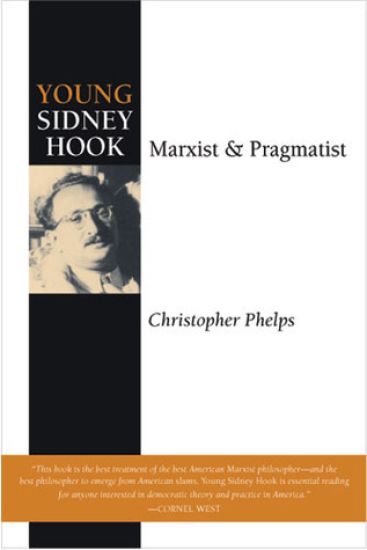
One of the most controversial figures in the history of American philosophy, Sidney Hook was "an intellectual street fighter" and "probably the greatest polemicist" of the twentieth century (Edward Shils). Widely known as a Cold War liberal and an intellectual progenitor of neoconservativism, Hook began life as a feisty radical. This now-classic intellectual biography reconstructs Hook's youthful project of fusing American pragmatism and Marxism to create a distinctive approach to philosophy and a politics of revolutionary democratic socialism, carefully charting his interaction with intellectuals such as John Dewey and Max Eastman and his relationship to the Socialist Party, the Communist Party, the American Workers Party, and other political currents. "This book is the best treatment of the best American Marxist philosopher-and the best philosopher to emerge from American slums. Young Sidney Hook is essential reading for anyone interested in democratic theory and practice in America." ---Cornel West "A very detailed, and fascinating account of Hook's formative years . . . [a] first-rate contribution to the history of American leftist intellectual life." ---Richard Rorty, Raritan "Fascinating . . . well researched and packed with information." ---Times Literary Supplement "Succeeds in establishing the young Hook as a dedicated revolutionary Marxist." ---Amos Perlmutter, Washington Times "A brilliant, lucid portrait of a scholar, adversarial by temperament, who turned his extraordinary powers of analysis and polemic successively against capitalism, Stalinism, and the New Left." ---Alan Wald, Monthly Review "The best study of Hook's thought. . . . Supersedes all earlier treatments." ---David A. Hollinger and Charles Capper, The American Intellectual Tradition "A major contribution to our understanding of Hook and the American Marxist tradition. . . . Extremely insightful." ---American Studies "Persuasive. . . . Discovers not just a brilliant interpreter of Marx and the Russian Revolution, but a remarkable advocate and practitioner of the Americanization of Marxism." ---In These Times "Phelps's effort to uncover, explore, and analyze Hook's forgotten leftism must be judged an unqualified success." ---Left History "Penetrating, closely argued, and lucid. . . . An important contribution to the history of American radicalism in the 1930s." ---Labor History One of the most controversial figures in the history of American philosophy, Sidney Hook was "an intellectual street fighter," who began his career as a brilliant Marxist thinker and "probably the greatest polemicist of [the 20th] century" (Edward Shils) before breaking with the Communist Party in the late 1930s. Turning in his later years to an allegiance with American conservatives including Richard Nixon and Ronald Reagan, Hook is now widely known as an intellectual father of the neoconservative movement.