
Kirjailija
Christopher Wilson
Kirjat ja teokset yhdessä paikassa: 31 kirjaa, julkaisuja vuosilta 1978-2026, suosituimpien joukossa Ba to Boardroom with No Bs, Skills for Life. Vertaile teosten hintoja ja tarkista saatavuus suomalaisista kirjakaupoista.
31 kirjaa
Kirjojen julkaisuhaarukka 1978-2026.
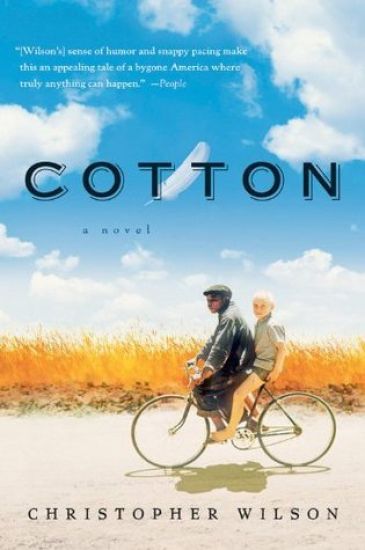
Lee Cotton is a black boy born white-skinned in segregated Eureka, Mississippi, in 1950. Over the course of Lee's first twenty years, he will fall in love with the daughter of a local Klansman, get kicked senseless and left for dead on a freight train headed north, end up in St. Louis as a white man, and be drafted into the psych-ops corps in Nevada. There, a drunken accident will separate Lee from another part of his identity and change his fate yet again. Before he returns to Mississippi, he will experience up close and personal the women's liberation movement and the dawn of the Lesbian Nation. Lee Cotton's voice--equal parts Delta Blues and Motown--takes us on an exhilarating freedom ride through America's preoccupation with identity politics. His funny, forgiving charm ultimately embodies a serious message: The freaks and oddities of this world may well be divine.


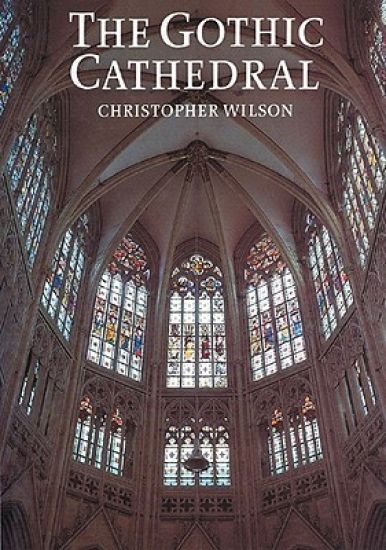
The Gothic Cathedral focuses on the interaction between design and the requirements of patrons, following the creative processes of architects by reconstructing the problems and opportunities which faced them. Christopher Wilson presents the essential facts on such aspects as chronology, structural techniques and stylistic developments and then goes further, seeing the story as a sequence of choices from which new solutions arose, which, in their turn, gave rise to still more challenges. Illustrated with carefully chosen photographs and specially drawn diagrams, this fresh, perceptive and provocative book has already established itself as a definitive introduction to the subject.
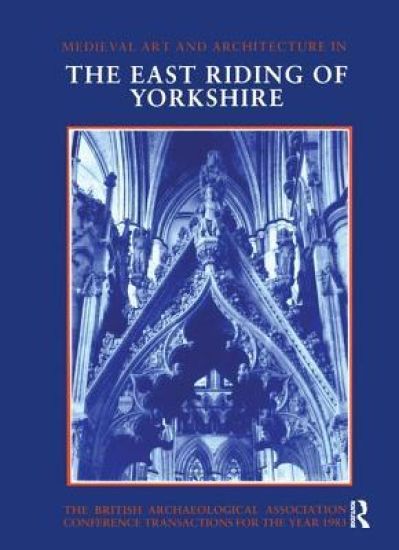
Mediaeval Art and Architecture in the East Riding of Yorkshire
Christopher Wilson
Maney Publishing
1989
nidottu
The conference proceedings and transactions of the British Archaeological Association Conference for the year 1983. With focus on the topic of Medieval Art and Architecture in the East Riding of Yorkshire.
Mediaeval Art and Architecture in the East Riding of Yorkshire
Christopher Wilson
Maney Publishing
1989
sidottu
The conference proceedings and transactions of the British Archaeological Association Conference for the year 1983. With focus on the topic of Medieval Art and Architecture in the East Riding of Yorkshire.
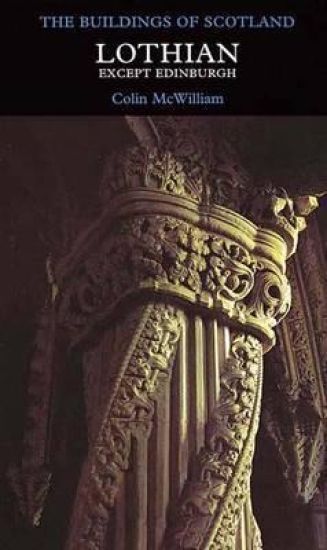
Lothian boasts some of Scotland's most picturesque villages and fine Georgian towns, but its architectural history goes back to the twelfth century. The introduction of monastic orders and the establishment of the parish churches has left examples at Dalmeny and Tyninghame. Lothian also has fine church buildings of the fifteenth and sixteenth centuries while schisms within the Reformed religion are reflected in a variety of lesser churches. Tower-houses are reminders of war and conflict and of the power struggles of the nobility, poignantly expressed in the ruins of Linlithgow Palace. More peaceful and prosperous years, both before and after the Act of Union, produced large estates and a series of fine classical mansion houses - Newhailes, Yester House, Dalkeith - while the grandiloquent Hopetoun, Newliston and Gosford House testify to the genius of the Adams, father and sons. Where Tantallon, Dirleton and other early castles were defensive, their successors of the eighteenth and nineteenth centuries, such as Dalmeny and Dalhousie, are unashamedly romantic. Lothian's achievements of the Industrial Revolution range form the simplicity of Telford's Lothian Bridge to the dramatic and celebrated spans of the Forth Rail Bridge.