Kirjojen hintavertailu. Mukana 12 390 323 kirjaa ja 12 kauppaa.

Kirjailija

Cinzia Di Dio

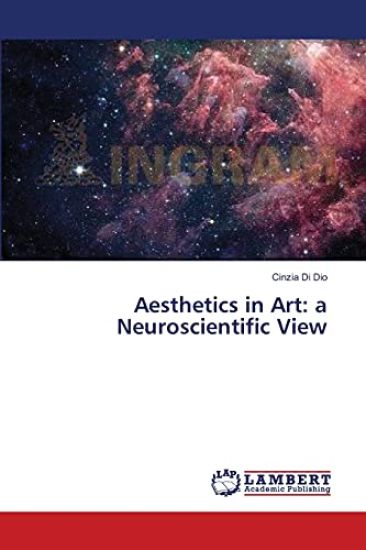
Kirjat ja teokset yhdessä paikassa: 3 kirjaa, julkaisuja vuosilta 2014-2021, suosituimpien joukossa Aesthetics in Art. Vertaile teosten hintoja ja tarkista saatavuus suomalaisista kirjakaupoista.

3 kirjaa

Kirjojen julkaisuhaarukka 2014-2021.

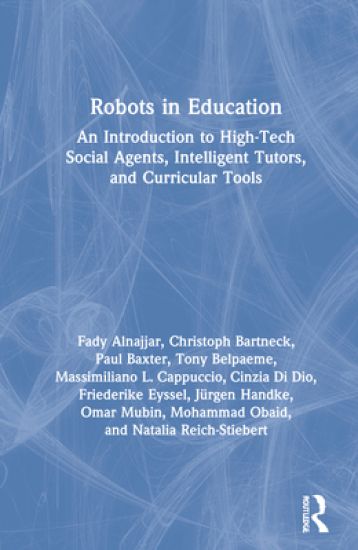
Robots in Education

Robots in Education

Fady Alnajjar; Christoph Bartneck; Paul Baxter; Tony Belpaeme; Massimiliano Cappuccio; Cinzia Di Dio; Friederike Eyssel; Jürgen Handke; Omar Mubin; Mohammad Obaid; Natalia Reich-Stiebert

Routledge
2021
nidottu
Robots in Education is an accessible introduction to the use of robotics in formal learning, encompassing pedagogical and psychological theories as well as implementation in curricula. Today, a variety of communities across education are increasingly using robots as general classroom tutors, tools in STEM projects, and subjects of study. This volume explores how the unique physical and social-interactive capabilities of educational robots can generate bonds with students while freeing instructors to focus on their individualized approaches to teaching and learning. Authored by a uniquely interdisciplinary team of scholars, the book covers the basics of robotics and their supporting technologies; attitudes toward and ethical implications of robots in learning; research methods relevant to extending our knowledge of the field; and more.
Robots in Education

Robots in Education

Fady Alnajjar; Christoph Bartneck; Paul Baxter; Tony Belpaeme; Massimiliano Cappuccio; Cinzia Di Dio; Friederike Eyssel; Jürgen Handke; Omar Mubin; Mohammad Obaid; Natalia Reich-Stiebert

Routledge
2021
sidottu
Robots in Education is an accessible introduction to the use of robotics in formal learning, encompassing pedagogical and psychological theories as well as implementation in curricula. Today, a variety of communities across education are increasingly using robots as general classroom tutors, tools in STEM projects, and subjects of study. This volume explores how the unique physical and social-interactive capabilities of educational robots can generate bonds with students while freeing instructors to focus on their individualized approaches to teaching and learning. Authored by a uniquely interdisciplinary team of scholars, the book covers the basics of robotics and their supporting technologies; attitudes toward and ethical implications of robots in learning; research methods relevant to extending our knowledge of the field; and more.