Kirjojen hintavertailu. Mukana 12 595 353 kirjaa ja 12 kauppaa.

Kirjailija

Claire Freeman

Kirjat ja teokset yhdessä paikassa: 8 kirjaa, julkaisuja vuosilta 1999-2024, suosituimpien joukossa Children and Planning. Vertaile teosten hintoja ja tarkista saatavuus suomalaisista kirjakaupoista.

8 kirjaa

Kirjojen julkaisuhaarukka 1999-2024.

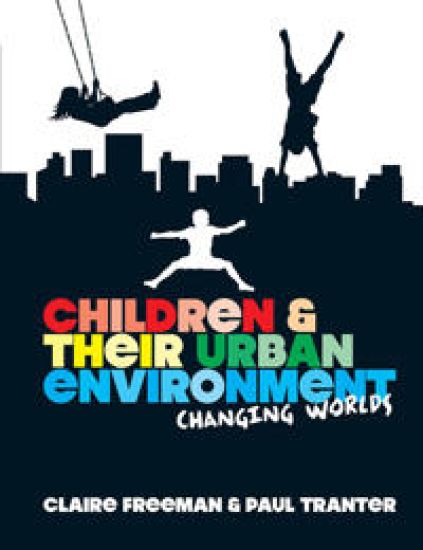
Children and their Urban Environment

Children and their Urban Environment

Claire Freeman; Paul Tranter

TAYLOR FRANCIS LTD
2024
nidottu
In our fast-changing urban world, the impacts of social and environmental change on children are often overlooked. Children and their Urban Environment examines these impacts in detail, looking at the key activities, spaces and experiences children have and how these can be managed to ensure that children benefit from change. The authors highlight the importance of planners, architects and housing professionals in creating positive environments for children and involving them in the planning process. They argue that children's lives are becoming simultaneously both richer and more deprived, and that, despite apparently increasing wealth, disparities between children are increasing further. Each chapter includes international examples of good practice and policy innovations for redressing the balance in favour of child supportive environments. The book seeks to embrace childhood as a time of freedom, social engagement and environmental adventure and to encourage creation of environments that better meet the needs of children. The authors argue that in doing so, we will build more sustainable neighbourhoods, cities and societies for the future.
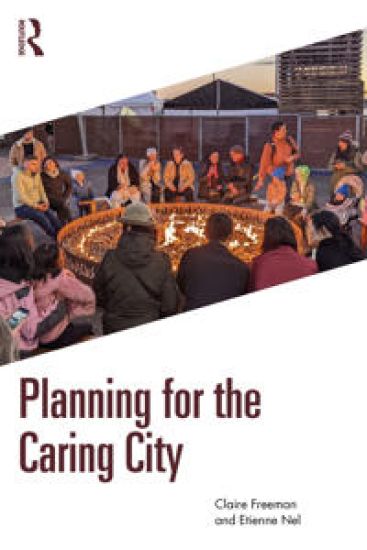
Planning for the Caring City

Planning for the Caring City

Claire Freeman; Etienne Nel

TAYLOR FRANCIS LTD
2024
sidottu
As the world has become increasingly urbanised and planetary well-being ever more threatened, questions have emerged over just what the priorities should be for how we live in cities. Clearly for many the current ways of planning and managing city environments are not working, given so many of their human and non-human inhabitants struggle on a daily basis to maintain their well-being and survival. Different approaches to city development are crucial if they are to be inclusive places where all can thrive. Ensuring that cities are safe and sustainable and provide a level of care for all their residents places a significant mandate on those who manage cities and on planners in particular. This book examines all the parts of the city where care needs to be incorporated, how we plan, create nurturing environments, include all who live there, build sensitively, support meaningful livelihoods, and enable compassionate governance. With planners in mind this book examines why care is needed in the urban environment, and drawing on real world examples examines how it can be applied in an effective and empowering fashion.
Planning for the Caring City

Planning for the Caring City

Claire Freeman; Etienne Nel

TAYLOR FRANCIS LTD
2024
nidottu
As the world has become increasingly urbanised and planetary well-being ever more threatened, questions have emerged over just what the priorities should be for how we live in cities. Clearly for many the current ways of planning and managing city environments are not working, given so many of their human and non-human inhabitants struggle on a daily basis to maintain their well-being and survival. Different approaches to city development are crucial if they are to be inclusive places where all can thrive. Ensuring that cities are safe and sustainable and provide a level of care for all their residents places a significant mandate on those who manage cities and on planners in particular. This book examines all the parts of the city where care needs to be incorporated, how we plan, create nurturing environments, include all who live there, build sensitively, support meaningful livelihoods, and enable compassionate governance. With planners in mind this book examines why care is needed in the urban environment, and drawing on real world examples examines how it can be applied in an effective and empowering fashion.
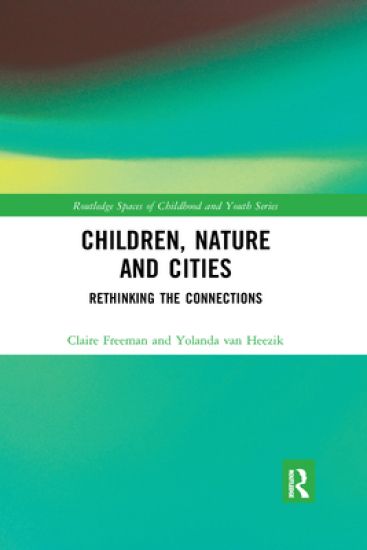
Children, Nature and Cities

Children, Nature and Cities

Claire Freeman; Yolanda van Heezik

Routledge
2020
nidottu
That children need nature for health and well-being is widely accepted, but what type of nature? Specifically, what type of nature is not only necessary but realistically available in the complex and rapidly changing worlds that children currently live in?This book examines child-nature definitions through two related concepts: the need for connecting to nature and the processes by which opportunities for such contact can be enhanced. It analyses the available nature from a scientific perspective of habitats, species and environments, together with the role of planning, to identify how children in cities can and do connect with nature. This book challenges the notion of a universal child and childhood by recognizing children’s diverse life worlds and experiences which guide them into different and complex ways of interacting with the natural world. Unfortunately not all children have the freedom to access the nature that is present in the cities where they live. This book addresses the challenge of designing biodiverse cities in which nature is readily accessible to children.
Children and Planning

Children and Planning

Claire Freeman; Andrea Cook

Lund Humphries Publishers Ltd
2019
sidottu
Planning is central to ensuring children and young people live in safe, secure places, that they are included and can be active. There can be few aspects of planners’ work that do not directly impact on children, from designing city centres, to implementing policies that will minimise the environmental effects of industrial practices. The United Nations Convention on the Rights of the Child (1989) requires planners to consider children in matters affecting them and affirms that they have the right to be heard on such matters, and there is a consensus that it is important to try and engage children and young people in the planning process. The main question is how?This book provides a range of international case studies illustrating good practice. It offers a variety of tools and techniques which have proved to be successful and discusses the work that needs to be done to enable planners to respond more effectively. It identifies key areas of concern generally with reference to the built environment and more precisely to planning theory and practice.
Children, Nature and Cities

Children, Nature and Cities

Claire Freeman; Yolanda van Heezik

Routledge
2018
sidottu
That children need nature for health and well-being is widely accepted, but what type of nature? Specifically, what type of nature is not only necessary but realistically available in the complex and rapidly changing worlds that children currently live in?This book examines child-nature definitions through two related concepts: the need for connecting to nature and the processes by which opportunities for such contact can be enhanced. It analyses the available nature from a scientific perspective of habitats, species and environments, together with the role of planning, to identify how children in cities can and do connect with nature. This book challenges the notion of a universal child and childhood by recognizing children’s diverse life worlds and experiences which guide them into different and complex ways of interacting with the natural world. Unfortunately not all children have the freedom to access the nature that is present in the cities where they live. This book addresses the challenge of designing biodiverse cities in which nature is readily accessible to children.
Children and their Urban Environment

Children and their Urban Environment

Claire Freeman; Paul Tranter

Earthscan Ltd
2011
sidottu
In our fast-changing urban world, the impacts of social and environmental change on children are often overlooked. Children and their Urban Environment examines these impacts in detail, looking at the key activities, spaces and experiences children have and how these can be managed to ensure that children benefit from change. The authors highlight the importance of planners, architects and housing professionals in creating positive environments for children and involving them in the planning process. They argue that children's lives are becoming simultaneously both richer and more deprived, and that, despite apparently increasing wealth, disparities between children are increasing further. Each chapter includes international examples of good practice and policy innovations for redressing the balance in favour of child supportive environments. The book seeks to embrace childhood as a time of freedom, social engagement and environmental adventure and to encourage creation of environments that better meet the needs of children. The authors argue that in doing so, we will build more sustainable neighbourhoods, cities and societies for the future.
Planning with children for better communities

Planning with children for better communities

Claire Freeman; Paul Henderson; Jane Kettle

Policy Press
1999
nidottu
Following the UN Convention on the Rights of the Child (1989), the case for children's involvement in decision-making processes has been championed by pressure groups and voluntary organisations. Planning with children for better communities argues that there is now a need to transfer these ideas and experiences to mainstream services of local authorities, regeneration agencies and other organisations. In addition to clarifying why the issue of children's participation should be prioritised, the authors use examples and case studies from a variety of professions and disciplines in order to explain different methods which can be used to support participation. The book: analyses children's and young people's contemporary place in local communities; locates debates about children's and young people's participation in local communities within government social and economic policy; captures children's and young people's views and experiences of community life. The authors conclude that there should be greater recognition of the right of children to determine significant decisions affecting them - children have a clear entitlement to involvement in key decisions which influence their lives. Planning with children for better communities is important reading for local authority planners and policy makers, project workers, community development workers, children's rights officers, youth workers, play workers and students of social and community work and politics. It should also be read by those people in the voluntary and community sector concerned with children's issues relating to planning and community development.