Kirjojen hintavertailu. Mukana 12 194 367 kirjaa ja 12 kauppaa.

Kirjailija

Claire Robson

Kirjat ja teokset yhdessä paikassa: 6 kirjaa, julkaisuja vuosilta 2012-2024, suosituimpien joukossa Writing for Change. Vertaile teosten hintoja ja tarkista saatavuus suomalaisista kirjakaupoista.

6 kirjaa

Kirjojen julkaisuhaarukka 2012-2024.

Elder Abuse in the LGBTQ2SA+ Community

Elder Abuse in the LGBTQ2SA+ Community

Claire Robson; Jen Marchbank; Gloria Gutman; Makaela Prentice

Springer International Publishing AG
2024
nidottu
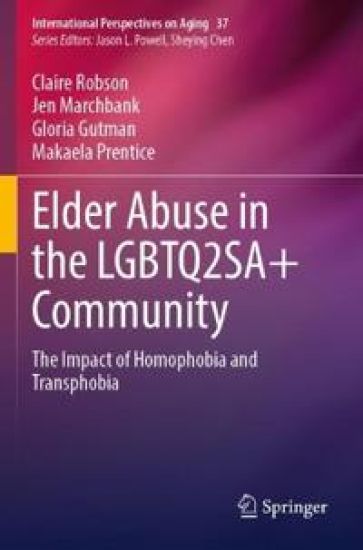
This book describes and analyzes the lived experience of elder abuse from the queer community. It discusses the experiences by transwomen, gay men and lesbians of financial abuse, physical and sexual abuse, homophobic abuse, and neglect within partner relationships, residential care, in home care, and religious organizations. Queer and trans elders have been described as ‘The Silent Generation’, since they have lived through times when their sexual and gender identities were criminalized and pathologized. The book shows that they are far more at risk to suffer abuse and neglect by those they should be able to trust, since they are more likely to have encountered all key risk factors, such as isolation, previous abuse and trauma, and mistrust of the health care system. Their vulnerability has been overlooked and this book addresses that gap. As such, this book provides a great resource to anyone working with elders, including medical professionals, care providers, police, counsellors, and policy makers.
Elder Abuse in the LGBTQ2SA+ Community

Elder Abuse in the LGBTQ2SA+ Community

Claire Robson; Jen Marchbank; Gloria Gutman; Makaela Prentice

Springer International Publishing AG
2023
sidottu
This book describes and analyzes the lived experience of elder abuse from the queer community. It discusses the experiences by transwomen, gay men and lesbians of financial abuse, physical and sexual abuse, homophobic abuse, and neglect within partner relationships, residential care, in home care, and religious organizations. Queer and trans elders have been described as ‘The Silent Generation’, since they have lived through times when their sexual and gender identities were criminalized and pathologized. The book shows that they are far more at risk to suffer abuse and neglect by those they should be able to trust, since they are more likely to have encountered all key risk factors, such as isolation, previous abuse and trauma, and mistrust of the health care system. Their vulnerability has been overlooked and this book addresses that gap. As such, this book provides a great resource to anyone working with elders, including medical professionals, care providers, police, counsellors, and policy makers.
Writing Beyond Recognition

Writing Beyond Recognition

Claire Robson

Stylus Publishing
2020
sidottu
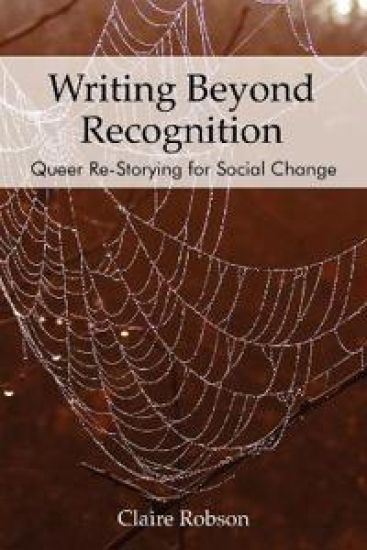
Writing Beyond Recognition: Queer Re-Storying for Social Change documents and analyzes the insidious ways heteronormativity produces homophobia and heterosexism, including how this operates and is experienced by those who identify as gay, lesbian, bisexual, transgendered and queer. Using critical arts research practices read through queer and feminist theories and perspectives, the chapters in the book describe how participants who identified as lesbian, gay, bisexual and transgendered gained critical insights by learning to write and read about their experiences in new ways. Their revised queer stories function to enable a movement beyond merely recognizing to appreciating and understanding those differences. Robson offers a powerful argument about how everyone is narrated by and through discourses of gender and sexuality. Therefore, the content of the book is directed at all readers, not only those who identify as gay, lesbian, bisexual, transgendered or queer. The book will be important as a text in any course or area of study that is focused on inclusive education, cultural studies in education, critical arts research methods, gender and sexuality studies, and critical literacy approaches in education.
Writing Beyond Recognition

Writing Beyond Recognition

Claire Robson

Stylus Publishing
2020
nidottu
Writing Beyond Recognition: Queer Re-Storying for Social Change documents and analyzes the insidious ways heteronormativity produces homophobia and heterosexism, including how this operates and is experienced by those who identify as gay, lesbian, bisexual, transgendered and queer. Using critical arts research practices read through queer and feminist theories and perspectives, the chapters in the book describe how participants who identified as lesbian, gay, bisexual and transgendered gained critical insights by learning to write and read about their experiences in new ways. Their revised queer stories function to enable a movement beyond merely recognizing to appreciating and understanding those differences. Robson offers a powerful argument about how everyone is narrated by and through discourses of gender and sexuality. Therefore, the content of the book is directed at all readers, not only those who identify as gay, lesbian, bisexual, transgendered or queer. The book will be important as a text in any course or area of study that is focused on inclusive education, cultural studies in education, critical arts research methods, gender and sexuality studies, and critical literacy approaches in education.
Writing for Change

Writing for Change

Claire Robson

Peter Lang Publishing Inc
2012
sidottu
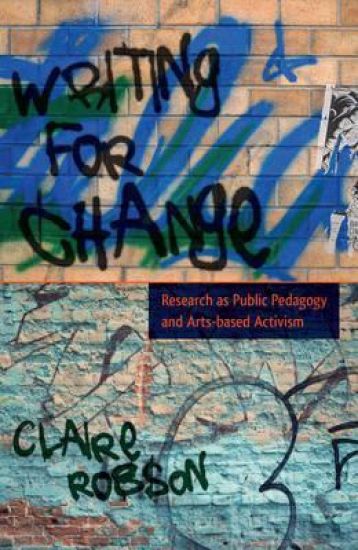
In its analysis of the potential and realities of narrative inquiry, Writing for Change is both theoretical and highly practical, offering a way to conceptualize this kind of research and providing concrete suggestions as to how it might be conducted. With its emphasis on arts-based activist education, the book also contributes to current conversations about public pedagogy. Though many educators and researchers are moving into this burgeoning field, there is a pressing need for practical examination of methodologies. Practitioners and researchers working in psychoanalytic theory will find the book useful, particularly those interested in the intersections of literature, education, and psychoanalysis. Indeed, the research methodologies and pedagogical strategies presented in the book should prove useful in a broad range of research and/or educational settings. Also, the book’s appeal is not limited to those studying the experience and voices of people who identify as lesbian, gay, bisexual, or transsexual, but to any marginalized population.
Writing for Change

Writing for Change

Claire Robson

Peter Lang Publishing Inc
2012
nidottu
In its analysis of the potential and realities of narrative inquiry, Writing for Change is both theoretical and highly practical, offering a way to conceptualize this kind of research and providing concrete suggestions as to how it might be conducted. With its emphasis on arts-based activist education, the book also contributes to current conversations about public pedagogy. Though many educators and researchers are moving into this burgeoning field, there is a pressing need for practical examination of methodologies. Practitioners and researchers working in psychoanalytic theory will find the book useful, particularly those interested in the intersections of literature, education, and psychoanalysis. Indeed, the research methodologies and pedagogical strategies presented in the book should prove useful in a broad range of research and/or educational settings. Also, the book’s appeal is not limited to those studying the experience and voices of people who identify as lesbian, gay, bisexual, or transsexual, but to any marginalized population.