Kirjojen hintavertailu. Mukana 12 595 353 kirjaa ja 12 kauppaa.

Kirjailija

Clare Palmer

Kirjat ja teokset yhdessä paikassa: 6 kirjaa, julkaisuja vuosilta 1997-2023, suosituimpien joukossa Wildlife Ethics. Vertaile teosten hintoja ja tarkista saatavuus suomalaisista kirjakaupoista.

6 kirjaa

Kirjojen julkaisuhaarukka 1997-2023.

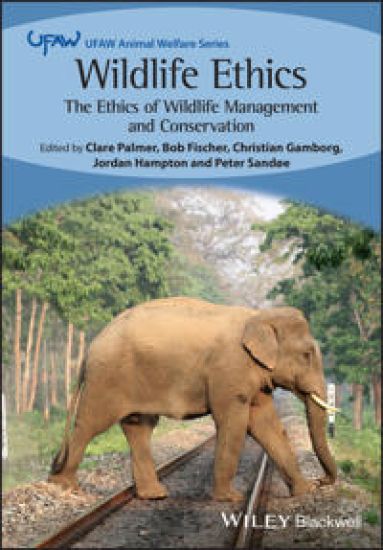
Wildlife Ethics

Wildlife Ethics

Clare Palmer; Bob Fischer; Christian Gamborg; Jordan Hampton; Peter Sandoe

JOHN WILEY AND SONS LTD
2023
nidottu
Wildlife Ethics A systematic account of the ethical issues related to wildlife management and conservation Wildlife Ethics is the first systematic, book-length discussion of the ethics of wildlife conservation and management, and examines the key ethical questions and controversies. Tackling both theory and practice, the text is divided into two parts. The first describes key concepts, ethical theories, and management models relating to wildlife; the second puts these concepts, theories, and models to work, illustrating their significance through detailed case studies on controversies in wildlife management and conservation. The book explores pressing topics including human responsibilities due to climate change, tradeoffs when managing zoonotic disease risks, the ethics of the wildlife trade, culling non-native species, indigenous wildlife use, and zoo-based conservation programs. Readers are encouraged to explore different ways of valuing wild animals and their practical implications. This essential text: Explains and explores relationships between valuing biodiversity, human utility, ecosystems, species, and animal welfareDescribes established approaches to wildlife management, such as sustainable use, and emerging concepts, such as compassionate conservationDiscusses key ethical theories, including utilitarianism, ecocentrism, and animal rightsOffers a practical model of how to analyze ethical issues in wildlife management and conservation Wildlife Ethics: The Ethics of Wildlife Management and Conservation is an accessible introduction to complex ethical issues, making the book an important resource for students in fields such as conservation biology, ecology, environmental science and policy, game management, public health and veterinary medicine. It will also be an invaluable tool for wildlife managers, conservationists, One Health practitioners, practicing veterinarians and animal rehabilitation staff, contemporary wildlife professionals and other stakeholders.

Companion Animal Ethics

Companion Animal Ethics

Peter Sandøe; Sandra Corr; Clare Palmer

John Wiley Sons Inc
2015
nidottu
Companion Animal Ethics explores the important ethical questions and problems that arise as a result of humans keeping animals as companions. The first comprehensive book dedicated to ethical and welfare concerns surrounding companion animalsScholarly but still written in an accessible and engaging styleConsiders the idea of animal companionship and why it should matter ethicallyExplores problems associated with animals sharing human lifestyles and homes, such as obesity, behavior issues, selective breeding, over-treatment, abandonment, euthanasia and environmental impactsOffers insights into practical ways of improving ethical standards relating to animal companions
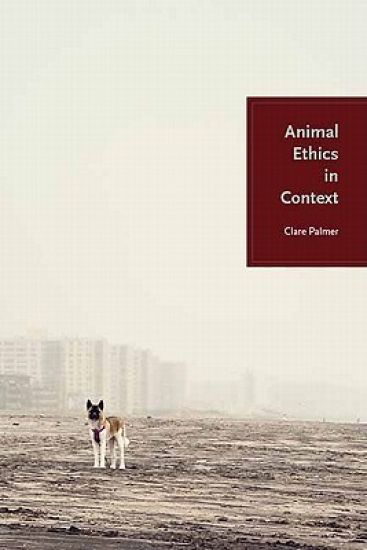
Animal Ethics in Context

Animal Ethics in Context

Clare Palmer

Columbia University Press
2010
pokkari
It is widely agreed that because animals feel pain we should not make them suffer gratuitously. Some ethical theories go even further: because of the capacities that they possess, animals have the right not to be harmed or killed. These views concern what not to do to animals, but we also face questions about when we should, and should not, assist animals that are hungry or distressed. Should we feed a starving stray kitten? And if so, does this commit us, if we are to be consistent, to feeding wild animals during a hard winter? In this controversial book, Clare Palmer advances a theory that claims, with respect to assisting animals, that what is owed to one is not necessarily owed to all, even if animals share similar psychological capacities. Context, history, and relation can be critical ethical factors. If animals live independently in the wild, their fate is not any of our moral business. Yet if humans create dependent animals, or destroy their habitats, we may have a responsibility to assist them. Such arguments are familiar in human cases-we think that parents have special obligations to their children, for example, or that some groups owe reparations to others. Palmer develops such relational concerns in the context of wild animals, domesticated animals, and urban scavengers, arguing that different contexts can create different moral relationships.
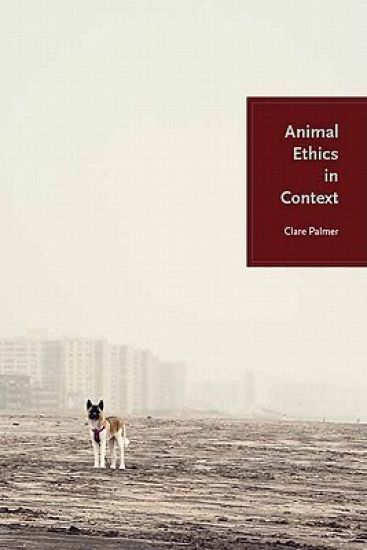
Animal Ethics in Context

Animal Ethics in Context

Clare Palmer

Columbia University Press
2010
sidottu
It is widely agreed that because animals feel pain we should not make them suffer gratuitously. Some ethical theories go even further: because of the capacities that they possess, animals have the right not to be harmed or killed. These views concern what not to do to animals, but we also face questions about when we should, and should not, assist animals that are hungry or distressed. Should we feed a starving stray kitten? And if so, does this commit us, if we are to be consistent, to feeding wild animals during a hard winter? In this controversial book, Clare Palmer advances a theory that claims, with respect to assisting animals, that what is owed to one is not necessarily owed to all, even if animals share similar psychological capacities. Context, history, and relation can be critical ethical factors. If animals live independently in the wild, their fate is not any of our moral business. Yet if humans create dependent animals, or destroy their habitats, we may have a responsibility to assist them. Such arguments are familiar in human cases-we think that parents have special obligations to their children, for example, or that some groups owe reparations to others. Palmer develops such relational concerns in the context of wild animals, domesticated animals, and urban scavengers, arguing that different contexts can create different moral relationships.
Environmental Ethics and Process Thinking

Environmental Ethics and Process Thinking

Clare Palmer

Clarendon Press
1998
sidottu
In this study, Clare Palmer challenges the popular conception that process thinking offers an unambiguously positive contribution to the philosophical debate on environmental ethics. She critically examines the approach to ethics which may be derived from the work of process thinkers such as A. N. Whitehead and Charles Hartshorne, pointing out questions about justice and respect for individual integrity which are raised. With these questions in mind, she compares process ethics to a variety of other forms of environmental ethics, as well as deep ecology. This comparative study reveals a number of difficulties associated with process thinking about the environment. Although some reformulations of process philosophy in the light of these difficulties are offered, the author suggests that a question mark should remain over the contribution which process philosophy can make to environmental ethics.
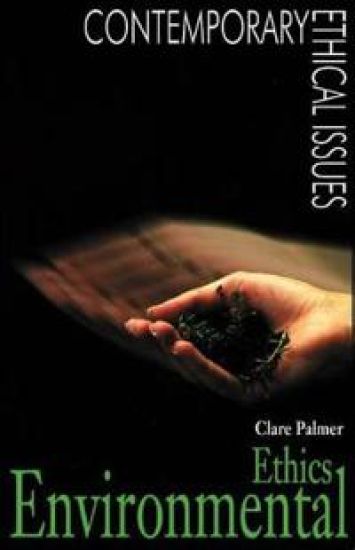
Environmental Ethics

Environmental Ethics

Clare Palmer

ABC-CLIO
1997
sidottu
Is the environment purely a resource for meeting human needs, or does it have value in itself? Should it be protected only to the extent that such protection benefits mankind? This text examines issues such as these in order to illuminate a range of environmental and ethical perspectives which are present in everyday life. The text examines 20 environmental issues and presents biographical sketches of key individuals who have explored the values and concerns underlying those issues. A concise chronology of the development of environmental ethics codes adopted as law in the USA, and by the public and private sectors. The A-Z entries address ethical devates in a wide variety of subject areas, including: agriculture, atmospheric pollution, deforestation, ecosystems, energy, future generations, Gaia, genetic engineering, hunting and fishing, marine pollution, nuclear power/weapons, population, poverty, resource depletion, species extinction, tourism, transport, waste, and the wilderness.