Kirjojen hintavertailu. Mukana 12 488 606 kirjaa ja 12 kauppaa.

Kirjailija

Clark Walter Aaron

Kirjat ja teokset yhdessä paikassa: 6 kirjaa, julkaisuja vuosilta 1999-2016, suosituimpien joukossa Isaac Albéniz. Vertaile teosten hintoja ja tarkista saatavuus suomalaisista kirjakaupoista.

6 kirjaa

Kirjojen julkaisuhaarukka 1999-2016.

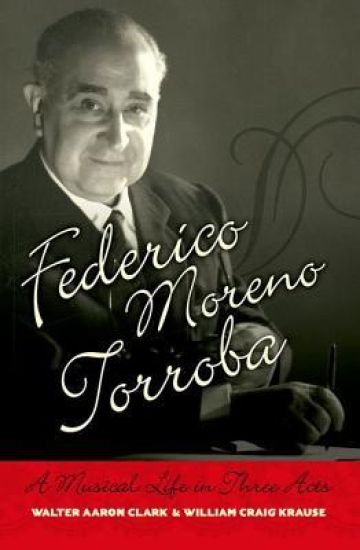
Federico Moreno Torroba

Federico Moreno Torroba

Clark Walter Aaron; William Craig Krause

Oxford University Press Inc
2013
sidottu
The last of the Spanish Romantics, composer, conductor, and impresario Federico Moreno Torroba (1891-1982) left his mark on virtually every aspect of Spanish musical culture during a career which spanned six decades, and saw tremendous political and cultural upheavals. After Falla, he was the most important and influential musician: in addition to his creative activities, he was President of the General Society of Authors and Editors and director of the Academy of Fine Arts and Teatro Zarzuela. His enduring contributions as a composer include copious amounts of guitar music composed for Andres Segovia and several highly successful zarzuelas which remain in the repertoire today. Written by two leading experts in the field, Federico Moreno Torroba: A Musical Life in Three Acts explores not only his life and work, but also the relationship of his music to the cultural milieu in which he moved. It sheds particular light on the relationship of Torroba's music and the cultural politics of Francisco Franco's dictatorship (1939-75). Torroba came of age in a cultural renaissance that sought to reassert Spain's position as a unique cultural entity, and authors Walter A. Clark and William Krause demonstrate how his work can be understood as a personal, musical response to these aspirations. Clark and Krause argue that Torroba's decision to remain in Spain even during the years of Franco's dictatorship was based primarily not on political ideology but rather on an unwillingness to leave his native soil. Rather than abandon Spain to participate in the dynamic musical life abroad, he continued to compose music that reflected his conservative view of his national and personal heritage. The authors contend that this pursuit did not necessitate allegiance to a particular regime, but rather to the non-political exaltation of Spain's so-called 'eternal tradition', or the culture and spirit that had endured throughout Spain's turbulent history. Following Franco's death in 1975, there was ambivalence towards figures like Torroba who had made their peace with the dictatorship and paid a heavy price in terms of their reputation among expatriates. Moreover, his very conservative musical style made him a target for the post-war avant-garde, which disdained his highly tonal and melodic españolismo. With the demise of high modernism, however, the time has come for this new, more distanced assessment of Torroba's contributions. Richly illustrated with figures and music examples, and with a helpful discography for reference, this biography brings a fresh perspective on this influential composer to Latin American and Iberian music scholars, performers, and lovers of Spanish music alike.
Isaac Albéniz

Isaac Albéniz

Clark Walter Aaron

Oxford University Press
2002
nidottu
Walter Aaron Clark's detailed and accurate account (the first in English) of one of the most intriguing figures of the Romantic period is now available in paperback. Isaac Albéniz (1860-1909), a renowned concert pianist, created a national style of Spanish piano music and also fostered the growth in Spain of the concerto, orchestral music, and opera. His career was to become the stuff of legend: a touring child prodigy who supposedly stowed away on a steamer to the New World, he later studied with Liszt, and eventually became ensnared in a 'Faustian pact' with the wealthy English librettist Frances Burdett Money-Coutts. Based on a wealth of new and previously overlooked documentary evidence, this biography debunks the mythology surrounding Albéniz's career—much of it spun by the composer himself—and reveals a complex individual who was able to capture the mystery of Spain in his music yet who in reality felt estranged from his homeland.
Federico Moreno Torroba

Federico Moreno Torroba

Clark Walter Aaron; William Craig Krause

Oxford University Press Inc
2016
nidottu
The last of the Spanish Romantics, composer, conductor, and impresario Federico Moreno Torroba (1891-1982) left his mark on virtually every aspect of Spanish musical culture during a career which spanned six decades, and saw tremendous political and cultural upheavals. After Falla, he was the most important and influential musician: in addition to his creative activities, he was President of the General Society of Authors and Editors and director of the Academy of Fine Arts and Teatro Zarzuela. His enduring contributions as a composer include copious amounts of guitar music composed for Andres Segovia and several highly successful zarzuelas which remain in the repertoire today. Written by two leading experts in the field, Federico Moreno Torroba: A Musical Life in Three Acts explores not only his life and work, but also the relationship of his music to the cultural milieu in which he moved. It sheds particular light on the relationship of Torroba's music and the cultural politics of Francisco Franco's dictatorship (1939-75). Torroba came of age in a cultural renaissance that sought to reassert Spain's position as a unique cultural entity, and authors Walter A. Clark and William Krause demonstrate how his work can be understood as a personal, musical response to these aspirations. Clark and Krause argue that Torroba's decision to remain in Spain even during the years of Franco's dictatorship was based primarily not on political ideology but rather on an unwillingness to leave his native soil. Rather than abandon Spain to participate in the dynamic musical life abroad, he continued to compose music that reflected his conservative view of his national and personal heritage. The authors contend that this pursuit did not necessitate allegiance to a particular regime, but rather to the non-political exaltation of Spain's so-called 'eternal tradition', or the culture and spirit that had endured throughout Spain's turbulent history. Following Franco's death in 1975, there was ambivalence towards figures like Torroba who had made their peace with the dictatorship and paid a heavy price in terms of their reputation among expatriates. Moreover, his very conservative musical style made him a target for the post-war avant-garde, which disdained his highly tonal and melodic españolismo. With the demise of high modernism, however, the time has come for this new, more distanced assessment of Torroba's contributions. Richly illustrated with figures and music examples, and with a helpful discography for reference, this biography brings a fresh perspective on this influential composer to Latin American and Iberian music scholars, performers, and lovers of Spanish music alike.
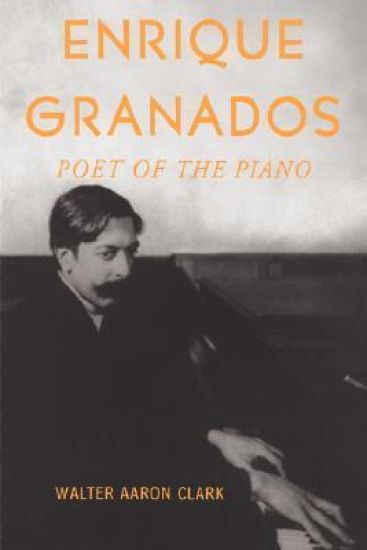
Enrique Granados

Enrique Granados

Clark Walter Aaron

Oxford University Press Inc
2011
nidottu
Enrique Granados (1867-1916) is one of the most compelling figures of the late-Romantic period in music. During his return voyage to Spain after the premiere of his opera Goyescas in New York, a German submarine torpedoed the ship on which he and his wife were sailing and they perished in the waters of the English Channel. His death was mourned on both sides of the Atlantic as a stunning loss to the music world, for he had died at the pinnacle of his career and his late works held the promise of greater things to come. While Granados's tragic demise casts a pall over his life story, author Walter Clark reveals an artist of remarkable versatility and individuality and sheds new light on his enduring significance.
Enrique Granados

Enrique Granados

Clark Walter Aaron

Oxford University Press Inc
2005
sidottu
Enrique Granados (1867-1916) is best known for his music inspired by the art of Francisco Goya, especially the monumental Goyescas suite for solo piano. This biography examines Granados's life and music in the context of Spanish art, literature, and history, leading to a fuller understanding of his enduring significance.
Isaac Albeniz

Isaac Albeniz

Clark Walter Aaron

Oxford University Press
1999
sidottu
An account of the career of Isaac Albeniz (1860-1909), a concert pianist renowned for creating a national style of Spanish piano music and fostering the growth of the concerto, orchestral music, and opera in Spain. As a touring child prodigy who supposedly stowed away on a steamer to the New World, later studied with Liszt, and eventually got ensnared in a "Faustian pact" with the wealthy English librettist, Frances Burdett Money-Coutts, his career has become the stuff of legend. Based on documentary evidence, this biography aims to debunk the mythology surrounding his career, much of it spun by the composer himself. Clark also reveals a complex individual who captured the mystery of Spain in his music yet felt estranged from his homeland in reality.