

Kirjailija
Claudia Müller-Ebeling
Kirjat ja teokset yhdessä paikassa: 11 kirjaa, julkaisuja vuosilta 2002-2023, suosituimpien joukossa Schamanismus und Tantra in Nepal. Vertaile teosten hintoja ja tarkista saatavuus suomalaisista kirjakaupoista.
Mukana myös kirjoitusasut: Claudia Muller-Ebeling
11 kirjaa
Kirjojen julkaisuhaarukka 2002-2023.
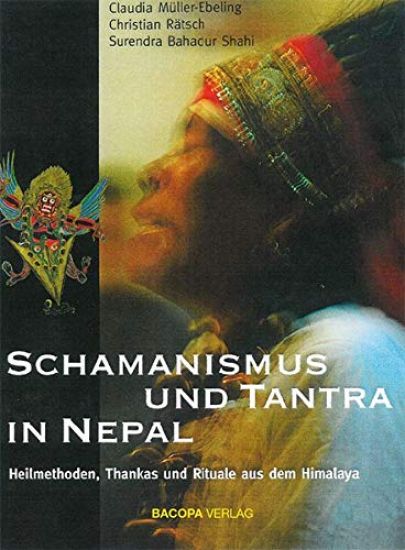
Schamanismus und Tantra in Nepal
Claudia Müller-Ebeling; Christian Rätsch; Surendra Bahadur Shahi
BACOPA Verlag
2021
sidottu

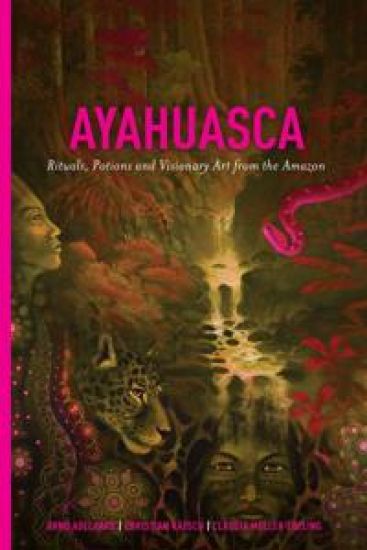
An authoritative treatise on the use, history, culture, and art of the sacred plant medicine Ayahuasca. Ayahuasca is the strongest shamanic plant medicine. Brewed from the combination of the Amazonian vine, Banisteriopsis caapi, and leaves from the plant, Psychotria viridis, Ayahuasca creates sweeping visual and mentally startling effects. For many of the indigenous cultures of the Amazonian basin, Ayahuasca is central to their culture, revealing to mankind its role in the universe and the true nature of reality. Used properly, Ayahuasca provides healing and integration with nature and community and stimulates the creative process. The authors are recognized experts in the field of ethnology, anthropology and pharmacology and demonstrate the use of Ayahuasca in shamanic rituals. They dive deep into shamanic visionary worlds, explore the plants and their souls, and share their authentic encounters with Amazonian cultures and their artistic works.
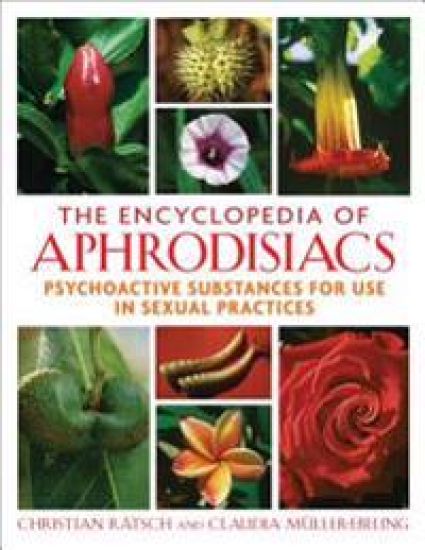
The Encyclopedia of Aphrodisiacs
Christian Rätsch; Claudia Müller-Ebeling
Park Street Press,U.S.
2013
sidottu
The culmination of more than 30 years of cultural, anthropological, and scientific research, this encyclopedia examines the botany, pharmacology, history, preparation, dosage, and practical use of more than 400 erotically stimulating substances from antiquity to the present day. From plants and animals that enhance fertility and virility, like celery, snails, or oysters, to substances that induce arousal, like ephedra, opium, or cannabis, the encyclopedia is richly illustrated with more than 800 color photographs--many of which are from the authors’ extensive fieldwork around the world. Exploring individual, medicinal, and ritual use through historic and contemporary artwork, personal accounts, and literature as well as ayurvedic, tantric, shamanic, and European folklore practices and recent pharmacological research, the authors look at the revolving cycle of acceptance and condemnation of aphrodisiacs, the qualities that incur the label of “aphrodisiac,” the role of mind and setting, and the different ways aphrodisiacs stimulate desire--either physically, through the senses and vital organs, or mentally, through heightened awareness and altered consciousness. This comprehensive guide reveals these “remedies of the love goddess” as holy remedies whose proper use can help reestablish harmony with oneself, one’s partner, and the universe.


Pagan Christmas
Christian Rätsch; Claudia Müller-Ebeling
Inner Traditions Bear and Company
2006
pokkari
An examination of the sacred botany and the pagan origins and rituals of Christmas reveals the symbolic significance of the many plants associated with Christmas and the shamanic rituals that are at the heart of the celebration. Original.

Ayahuasca ist eines der stärksten schamanischen Heilmittel. Der aus mehreren ethnobotanisch bedeutenden Pflanzen des Amazonasgebiets gebraute Trank hat durchschlagende körperliche und verblüffende psychische Wirkungen. Ayahuasca ist für viele Völker die Grundlage der Kultur, eine Kultur schaffende und erhaltende Institution. Ayahuasca ist ein Erkenntnismittel, das dem Menschen seine Stellung im Universum zeigt und die wahre Wirklichkeit offenbart. Ayahuasca schenkt - richtig angewandt - Heilung und Gesundheit, verleiht persönlich bedeutsame Visionen und stimuliert das kreative Schaffen. In diesem Buch zeigen die Autoren, ausgewiesene Experten im Bereich Ethnologie, Anthropologie und Pharmakologie, die rituelle Verwendung von Ayahuasca in schamanischen Ritualen. Sie tauchen ein in schamanisch- visionäre Welten, beschäftigen sich mit den Pflanzen und ihren Seelen und begegnen den Wirklichkeiten amazonischer Kulturen und ihren künstlerischen Werken. ?Ayahuasca ist ein Fluss, an dessen Ufern die Visionspflanzen (Pinta) und die Schnupfpulverzutaten (Yopo) wachsen, die Remedios gedeihen, Tabak und Coca angebaut werden, die Räucherstoffe (copales) und Duftpflanzen gesammelt werden. Dieser Fluss ist der Amazonas, der Schamanenstrom, die Heiler-Anaconda. Dieser Fluss ist die Universität der Dschungelmedizin. Das Wasser ist der Strom des Lebens, wird von Visionen erleuchtet, von Erkenntnissen getränkt, von Düften erfüllt, von Pflanzengeistern geheilt. Der Fluss mündet im Ozean der Selbstentgrenzung.

Schon wieder ein Buch über die Alraune! Gibt es davon nicht schon genug? - Nein! Sonst könnte man dieses Buch nicht in den Händen halten. Es ist kein Abklatsch der allgemein bekannten Geschichten um die Zauberpflanze Alraune (Mandragora), sondern verbindet zwei wesentliche Aspekte, die auf neuen Forschungen beruhen miteinander. Dadurch entsteht ein weiteres, neues Bild des magischen Nachtschattengewächses in seiner herausragenden Stellung in der Kutlurgeschichte und der Zauberbotanik. Kaum eine Pflanze erlangte größere legendäre Bedeutung als die Alraune (Mandragora officinarum), eine berühmte Vertreterin der Nachtschattenfamilie! Seit dem griechisch-römischen Altertum bis in die frühe Neuzeit wurde die Mandragora als Allheilmittel gerühmt, als Zauberpflanze hoch bezahlt, als magische Zutat von Hexen gefürchtet und unwiderstehliches Liebesmittel gepriesen. Die alkaloidreiche Alraune, deren Zubereitungen in der Antike bei chirurgischen Eingriffen zur lokalen Betäubung verwendet und deren betörend duftende Früchte in der Bibel als ?Liebesäpfel? besungen wurden, galt als ?Königin der Zauberkräuter?. Die im heißen Mittelmeerraum und vorderen Orient heimische Pflanze mit der Blätterkrone und langen, verzweigten Wurzel wurde als menschenähnlich betrachtet und spielte unter unzähligen Namen eine bedeutende Rolle in der Menschheitsgeschichte. Als ?Menschenwurzel?,Galgenmännle?, ?Adamshaupt? und ?Lebensspender? geistert sie durch Legenden und Mythen. Ihre sagenumwobene und legendenbehaftete Geschichte berauschte die Phantasie früher Geschichtsschreiber, Naturkundler - bis hin zu Romanschriftstellern, Comiczeichnern und Filmemachern. All dies breiten die Autoren auf rund 170 Seiten in Wort und Bild aus. Sie erkunden ihre Pharmakologie, ihren Stellenwert in der Antike und ihre Rolle in Magie und Kunst und liefern in Anhängen unter anderem eine kommentierte Bibliographie.
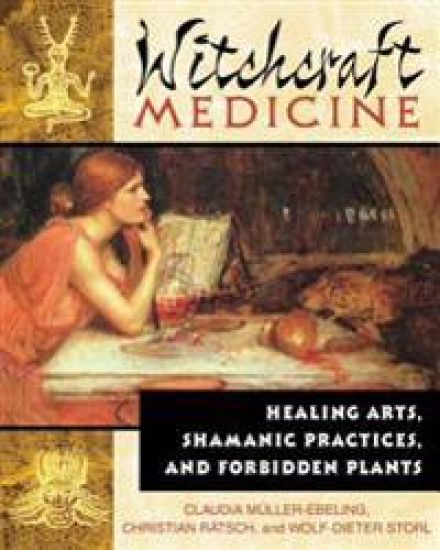
Witchcraft Medicine
Claudia Müller-Ebeling; Christian Rätsch; Wolf-Dieter Storl
Inner Traditions Bear and Company
2003
pokkari
An in-depth investigation of traditional European folk medicine and the healing arts of witches • Explores the outlawed “alternative” medicine of witches suppressed by the state and the Church and how these plants can be used today • Reveals that female shamanic medicine can be found in cultures all over the world • Illustrated with color and black-and-white art reproductions dating back to the 16th century Witch medicine is wild medicine. It does more than make one healthy, it creates lust and knowledge, ecstasy and mythological insight. In Witchcraft Medicine the authors take the reader on a journey that examines the women who mix the potions and become the healers; the legacy of Hecate; the demonization of nature’s healing powers and sensuousness; the sorceress as shaman; and the plants associated with witches and devils. They explore important seasonal festivals and the plants associated with them, such as wolf’s claw and calendula as herbs of the solstice and alder as an herb of the time of the dead--Samhain or Halloween. They also look at the history of forbidden medicine from the Inquisition to current drug laws, with an eye toward how the sacred plants of our forebears can be used once again.
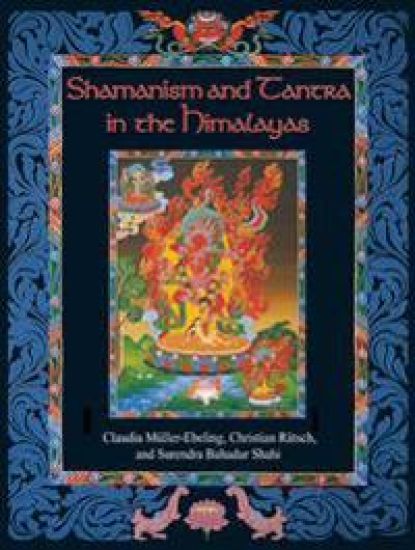
Shamanism and Tantra in the Himalayas
Christian Ratsch; Claudia Muller-Ebeling; Surendra Bahadur Shahi
Inner Traditions Bear and Company
2002
nidottu
The Himalayan kingdom of Nepal may be the only culture in the world where both shamanic and tantric techniques are still alive and in full practice today. The result of eighteen years of field research SHAMANISM AND TANTRA IN THE HIMALAYAS presents for the first time a comprehensive overview of shamanism that is based on the knowledge and experience of the different tribes from that region. Included are original statements from the various ethnic groups and 135 colour thangkas which act as visual guides to the specific practices of the tantric tradition. In addition to the thangkas the book is lavishly illustrated with numerous photos of different shamanic healing ceremonies ritual objects and culturally significant plants that have never been published before. The book also contains a wealth of original recipes smoking mixtures scientific tables charts and descriptions of more than 20 plants whose psychoactive properties and uses by shamans have never before been researched or documented. * Contains 605 colour and black-and-white illustrations including 135 colour thangkas. * Includes more than 20 psychoactives never before documented. * The result of 18 years of field research.