Kirjojen hintavertailu. Mukana 12 595 353 kirjaa ja 12 kauppaa.
Kirjailija
Clive Archer
Kirjat ja teokset yhdessä paikassa: 13 kirjaa, julkaisuja vuosilta 1980-2021, suosituimpien joukossa Northern Waters. Vertaile teosten hintoja ja tarkista saatavuus suomalaisista kirjakaupoista.
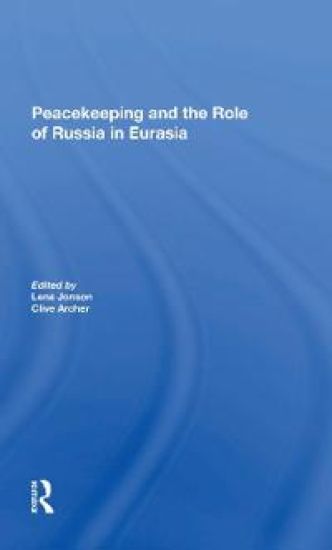
As the number of peacekeeping efforts conducted internationally under the aegis of military forces increases, there is more pressure to resolve the dilemma inherent in all peacekeeping activities—how to combine efficiency with legitimacy. This dilemma is particularly acute in the many conflicts that have mushroomed in the Eurasian region following
"As the number of peacekeeping efforts conducted internationally under the aegis of military forces increases, thers is more pressure to resolve the dilemma inherent in all peacekeeping activities-how to combine efficiency with legitimacy. This dilemma is particularly acute in the many conflicts that have mushroomed in the Eurasian region following the disintegration of the Soviet state. Given the history of Soviet Russian repression of ethnicnational entities, can Russia-the USSR's primary heir-be relied on to resolve rather than inflame conflicts in the other post-Soviet states and regions? In order to answer this question, the contributors to this timely volume evaluate the factors that guarantee Russia's intervention in its ""near abroad."" They debate whether Russian ""peacekeeping"" is legitimate according to international norms or whether it may be a harbinger of ""neoimperialism."" Finally, they explore the origins and effectiveness of Russia's intervention in four cases of regional conflict and discuss the complexities of broader multilateral involvement."
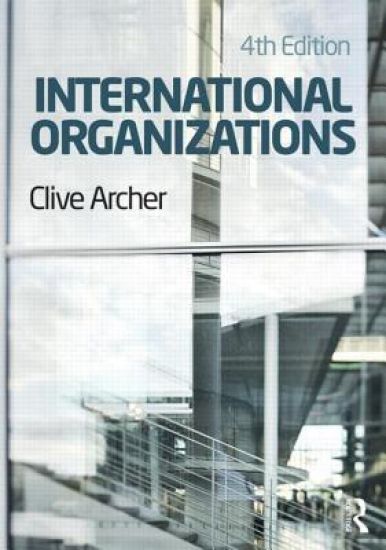
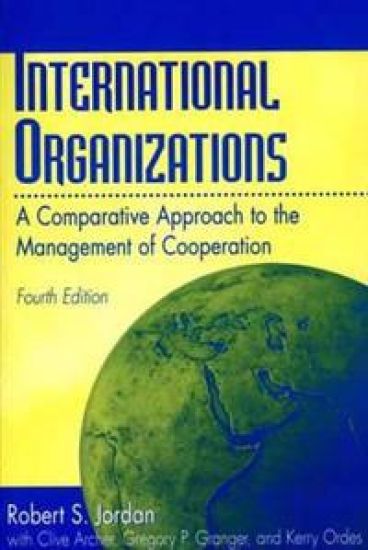
What is the role of international organizations in the international political system?The fourth edition of Clive Archer’s widely used textbook continues to provide students with an introduction to international organizations, exploring their rise and development, and accounts for their significance in the modern international political system.International Organizations fourth edition: has been fully updated to take into account the considerable developments in the field since the last edition was published in 2001. continues to offer a unique concise yet comprehensive approach, offering students an accessible and manageable introduction to this core part of international relations. offers an authoritative guide to the literature about international organizations and provides advice on further reading.
What is the role of international organizations in the international political system?The fourth edition of Clive Archer’s widely used textbook continues to provide students with an introduction to international organizations, exploring their rise and development, and accounts for their significance in the modern international political system.International Organizations fourth edition: has been fully updated to take into account the considerable developments in the field since the last edition was published in 2001. continues to offer a unique concise yet comprehensive approach, offering students an accessible and manageable introduction to this core part of international relations. offers an authoritative guide to the literature about international organizations and provides advice on further reading.
Making often complex concepts easily comprehended, this book enables the reader to quickly build a solid and well-rounded understanding of the EU's history and present, covering: key debates on Europe the ambiguous relationship with the USthe EU's internal and external activitiesstructure and institutionsfuture developments and new directions.
Making often complex concepts easily comprehended, this book enables the reader to quickly build a solid and well-rounded understanding of the EU's history and present, covering: key debates on Europe the ambiguous relationship with the USthe EU's internal and external activitiesstructure and institutionsfuture developments and new directions.
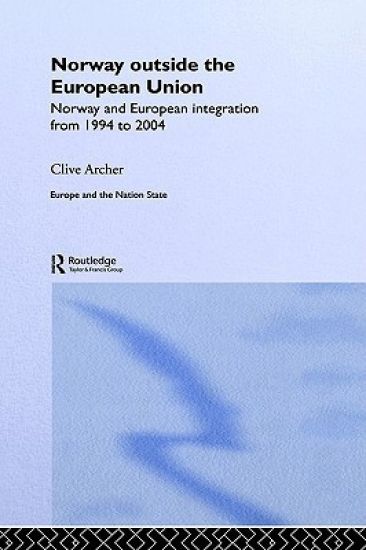
In November 1994 the Norwegian electorate rejected membership of the European Union. Professor Archer examines the background to this decision both in terms of an expression of interests within Norway and in terms of national feeling. He then investigates the subsequent interaction between Norway and the EU through the European Economic Area (EEA) - which allowed Norway access to the EU's markets; the Schengen agreement - dealing with justice and border matters and the Common Foreign and Security Policy. It includes discussion of policies that have had a particular effect on Norway, such as those of the gas directive, fisheries and the sale of alcohol and looks at how Norway has adapted itself to EU policy, noting the cases where the country has dug in its heels and when it has been acquiescent. This book will appeal to students and researchers with an interest in European integration and Nordic studies in general.
The first authoritative account concerning the lack of conflict in the Nordic region, this text evaluates why the area is more peaceful than the rest of Europe and whether there is a lesson to be learned from the area. Looking at cases where parts of the Nordic area have started to break away from the others and how this was achieved without violence, it also explores the settlement of demarcation disputes. By using this region as an example for the rest of Europe, this book tests the hypothesis of the Nordic Peace using a number of approaches including historical, political science, peace research, sociology and law. This highly insightful piece of research is relevant for courses in international relations and European studies.
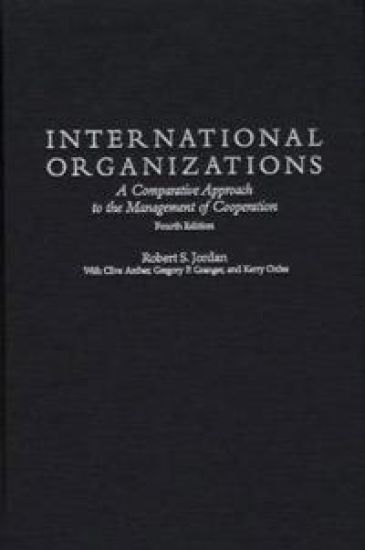
This new edition of a classic text, comprehensively revised throughout, appraises the emerging challenges to the centrality of the nation-state international system, such as humanitarianism, environmentalism, new international legal standards, and concepts such as civil society and globalism. As inter-governmental and international non-governmental activities are increasingly being blended, for example in the area of peace-keeping, this poses a challenge to the sanctity of the territorial state as the primary political unit. Similarly, technological and social changes such as the emergence of the Internet, encourages borderless activities (both legal and illegal) by non-state actors. This book provides the basis for students to consider a thorough rethinking of our international system and its prospects for the future in the face of these fundamental and unprecedented developments.While the book as a whole is built around the unifying theme of the management of cooperation, illustrative cases enhance the individual chapters and provide the basis for comparative analysis and discussion. These take the reader through the tangled webs of international cooperation in such areas as the European Union, NATO, humanitarian intervention, arms control, transnational criminal organizations, and global environmental issues. Discussion questions at the end of each chapter add to the usefulness of this text for students.
This new edition of a classic text, comprehensively revised throughout, appraises the emerging challenges to the centrality of the nation-state international system, such as humanitarianism, environmentalism, new international legal standards, and concepts such as civil society and globalism. As inter-governmental and international non-governmental activities are increasingly being blended, for example in the area of peace-keeping, this poses a challenge to the sanctity of the territorial state as the primary political unit. Similarly, technological and social changes such as the emergence of the Internet, encourages borderless activities (both legal and illegal) by non-state actors. This book provides the basis for students to consider a thorough rethinking of our international system and its prospects for the future in the face of these fundamental and unprecedented developments.While the book as a whole is built around the unifying theme of the management of cooperation, illustrative cases enhance the individual chapters and provide the basis for comparative analysis and discussion. These take the reader through the tangled webs of international cooperation in such areas as the European Union, NATO, humanitarian intervention, arms control, transnational criminal organizations, and global environmental issues. Discussion questions at the end of each chapter add to the usefulness of this text for students.
Revised and expanded, this edition provides a comprehensive introduction to all aspects of the European Union. Covering both past developments and future prospects, it outlines the history of European ingegration and the academic debate about its nature. Archer describes and explans the institutions of the EU and the major policies as well as analyzing its external relations. This edition includes an examination of the changes made to EU institutions and practice through the Treaty of Amsterdam, explains the move to Economic and Monetary Union at the end of 1999, and pays particular attention to the plans for and the consequences of enlargement to the East.
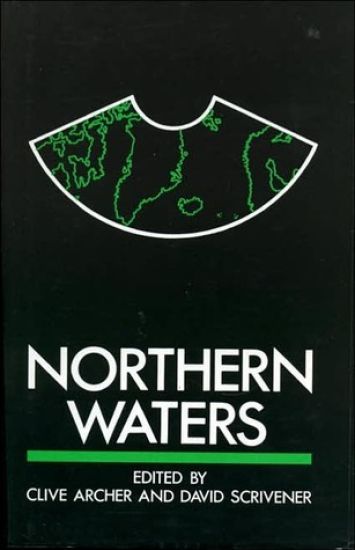
The Northern Watersóan area stretching from Scandinavia to northeastern Canadaóis one of the world's most important maritime regions, both economically and strategically. In these essays, international experts look at the potential resources and strategic significance of the area and analyze the interests and policies of the United States, the Soviet Union, Canada, Norway, and others.
In October 1977, the Scottish Branch of the Royal Institute of International Affairs established a study group to consider the representation of Scottish interests abroad. The members of the group were drawn from the Scottish universities as well as from business and banking in Scotland. The study began with a series of discussion meetings at which the group as a whole was able to draw on the knowledge and experience of, among others, Mr Alick Buchanan-Smith MP; Mr Stanley Budd, Head of the Edinburgh Office of the Commission of the European Communities; Mr J. Allan Stewart, Scottish Secretary of the Confederation of British Industry; Mr A.S. Halford-MacLeod of the Scottish Council (Development and Industry); and senior officials of the Scottish Office. Individual members of the group then undertook a programme of interviews with representatives of the fishing industry, in particular Mr Gilbert Buchan and Mr David Aitchison of the Scottish Fishermen's Federation, Mr James Lovie of the Scottish Fishermen's Organisation Ltd and Mr Robert Allan of the Scottish Section of the British Fishing Federation; with representatives of the agriculture industry, notably, Mr Michael Burnett of the National Farmers' Union of Scotland, Mr Dermot Gunn of the Scottish Agricultural Organisation Society and Mr A.F. Roney-Dougal of the Scottish Landowners' Federation; and with representatives of Scottish local authorities and the relevant departments of the Scottish Office.