Kirjojen hintavertailu. Mukana 12 595 353 kirjaa ja 12 kauppaa.

Kirjailija

Clive Murray Norris

Kirjat ja teokset yhdessä paikassa: 3 kirjaa, julkaisuja vuosilta 2017-2021, suosituimpien joukossa The Financing of John Wesley's Methodism c.1740-1800. Vertaile teosten hintoja ja tarkista saatavuus suomalaisista kirjakaupoista.

3 kirjaa

Kirjojen julkaisuhaarukka 2017-2021.

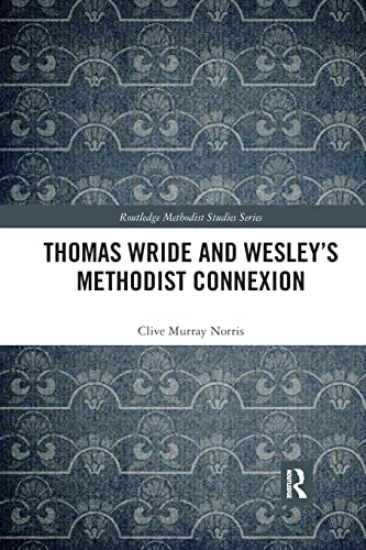
Thomas Wride and Wesley’s Methodist Connexion

Thomas Wride and Wesley’s Methodist Connexion

Clive Murray Norris

TAYLOR FRANCIS LTD
2021
nidottu
This book highlights the life and writings of an itinerant preacher in John Wesley’s Methodist Connexion, Thomas Wride (1733-1807). Detailed studies of such rank and file preachers are rare, as Methodist history has largely been written by and about its leadership. However, Wride’s ministry shows us that the development of this worldwide movement was more complicated and uncertain than many accounts suggest.Wride’s attitude was distinctive. He was no respecter of persons, freely criticising almost everyone he came across, and in doing so exposing debates and tensions within both Methodism and wider society. However, being so combative also led him into conflict with the very movement he sought to promote. Wride is an authentic, self-educated, and non-élite voice that illuminates important features of Eighteenth-Century life well beyond his religious activities. He sheds light on his contemporaries’ attitudes to issues such as the role of women, attitudes towards and the practice of medicine, and the experience and interpretation of dreams and supernatural occurrences. This is a detailed insight into the everyday reality of being an Eighteenth-Century Methodist minister. As such, this text will be of interest to academics working in Methodist Studies and Religious History, as well as Eighteenth-Century History more generally.
Thomas Wride and Wesley’s Methodist Connexion
This book highlights the life and writings of an itinerant preacher in John Wesley’s Methodist Connexion, Thomas Wride (1733-1807). Detailed studies of such rank and file preachers are rare, as Methodist history has largely been written by and about its leadership. However, Wride’s ministry shows us that the development of this worldwide movement was more complicated and uncertain than many accounts suggest.Wride’s attitude was distinctive. He was no respecter of persons, freely criticising almost everyone he came across, and in doing so exposing debates and tensions within both Methodism and wider society. However, being so combative also led him into conflict with the very movement he sought to promote. Wride is an authentic, self-educated, and non-élite voice that illuminates important features of Eighteenth-Century life well beyond his religious activities. He sheds light on his contemporaries’ attitudes to issues such as the role of women, attitudes towards and the practice of medicine, and the experience and interpretation of dreams and supernatural occurrences. This is a detailed insight into the everyday reality of being an Eighteenth-Century Methodist minister. As such, this text will be of interest to academics working in Methodist Studies and Religious History, as well as Eighteenth-Century History more generally.
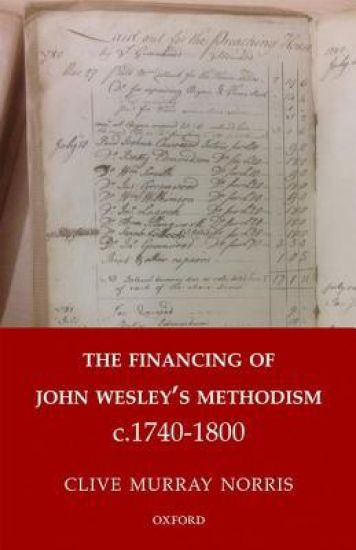
The Financing of John Wesley's Methodism c.1740-1800

The Financing of John Wesley's Methodism c.1740-1800

Clive Murray Norris

Oxford University Press
2017
sidottu
The dominant activities of the eighteenth century Wesleyan Methodist Connexion, in terms of expenditure, were the support of itinerant preaching, and the construction and maintenance of preaching houses. These were supported by a range of both regular and occasional flows of funds, primarily from members' contributions, gifts from supporters, various forms of debt finance, and profits from the Book Room. Three other areas of action also had significant financial implications for the movement: education, welfare, and missions. The Financing of John Wesley's Methodism c.1740-1800 describes what these activities cost, and how the money required was raised and managed. Though much of the discussion is informed by financial and other quantitative data, Clive Norris examines a myriad of human struggles, and the conflict experienced by many early Wesleyan Methodists between their desire to spread the Gospel and the limitations of their personal and collective resources. He describes the struggle between what Methodists saw as the promptings of Holy Spirit and their daily confrontation with reality, not least the financial constraints which they faced.