Kirjojen hintavertailu. Mukana 12 499 308 kirjaa ja 12 kauppaa.
Kirjailija
Clyde Ellis
Kirjat ja teokset yhdessä paikassa: 4 kirjaa, julkaisuja vuosilta 2002-2008, suosituimpien joukossa A Dancing People. Vertaile teosten hintoja ja tarkista saatavuus suomalaisista kirjakaupoista.
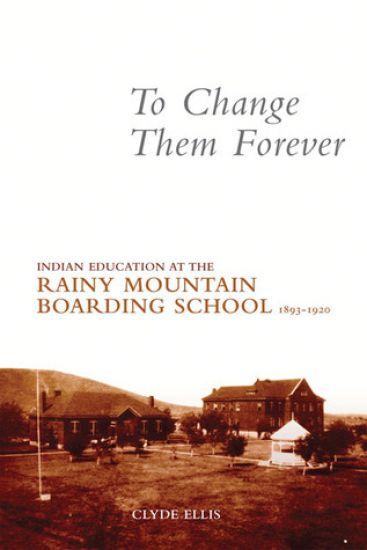
Reservation boarding schools represented an important component in the U.S. government's campaign in the late nineteenth and early twentieth century to ""civilize"" American Indians according to Anglo-American standards. The history of the Rainy Mountain School in southwestern Oklahoma reveals much about the form and function of the Indian policy and its consequences for the Kiowa children who attended the school. In To Change Them Forever, Clyde Ellis surveys changes in government policy and tells how the Kiowa people resisted and accommodated the efforts of school personnel to transform them. Ellis combines archival research with personal memoirs, conversations with former students, and the school's official records to portray a school often at odds with official policy and frequently neglected by the Indian Service's bureaucracy.
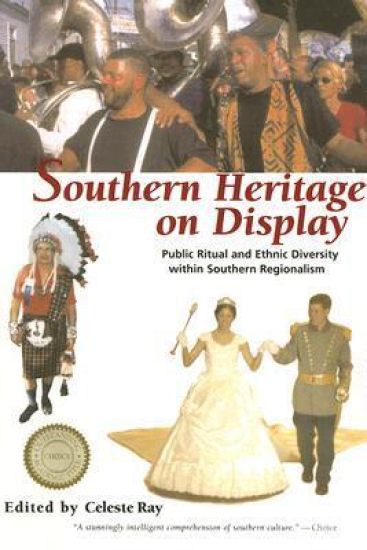
How ritualized public ceremonies affirm or challenge cultural identities associated with the American South* A Choice Outstanding Academic Title"From the jazz funeral processions in the streets of New Orleans to the annual Natchez Pilgrimage in Mississippi and the Scottish Highland games atop Grandfather Mountain in North Carolina, the reader is exposed to a diverse southern culture, or heritage, that is often overlooked by many people, both within and outside the South. The reality of a southern culture based in Mexican heritage or a celebration of [a] Southeastern tribe's heritage through the powwow helps deconstruct the myth of a solid southern culture as one that is simply portrayed as black and white."--Florida Historical Quarterly"The ambition Celeste Ray sets out in her introduction is to show how these groups are not only in the South but of it, how they interpret their diverse identities as Southern--put another way, to answer a question that arises in one noteworthy piece, why do Indians in North Carolina eat barbecue pork and collard greens at their powwows?"--Journal of American Ethnic History"Thought-provoking and well-crafted, Southern Heritage on Display is an innovative and important resource for regional studies and scholarship on public display."--Journal of Folklore ResearchW. J. Cash's 1941 observation that "there are many Souths and many cultural traditions among them" is certainly validated by this book. Although the Civil War and its "lost cause" tradition continues to serve as a cultural root paradigm in celebrations, both uniting and dividing loyalties, southerners also embrace a panoply of public rituals--parades, cook-offs, kinship homecomings, church assemblies, music spectacles, and material culture exhibitions--that affirm other identities. From the Appalachian uplands to the Mississippi Delta, from Kentucky bluegrass to Carolina piedmont, southerners celebrate in festivals that showcase their diverse cultural backgrounds and their mythic beliefs about themselves.The ten essays of this cohesive, interdisciplinary collection present event-centered research from various fields of study--anthropology, geography, history, and literature--to establish a rich, complex picture of the stereotypically "Solid South." Topics include the Mardi Gras Indian song cycle as a means of expressing African-American identity in New Orleans; powwow performances and Native American traditions in southeast North Carolina; religious healings in southern Appalachian communities; Mexican Independence Day festivals in central Florida; and, in eastern Tennessee, bonding ceremonies of melungeons who share Indian, Scots Irish, Mediterranean, and African ancestry. Seen together, these public heritage displays reveal a rich "creole" of cultures that have always been a part of southern life and that continue to affirm a flourishing regionalism.This book will be valuable to students and scholars of cultural anthropology, American studies, and southern history; academic and public libraries; and general readers interested in the American South. It contributes a vibrant, colorful layer of understanding to the continuously emerging picture of complexity in this region historically depicted by simple stereotypes.
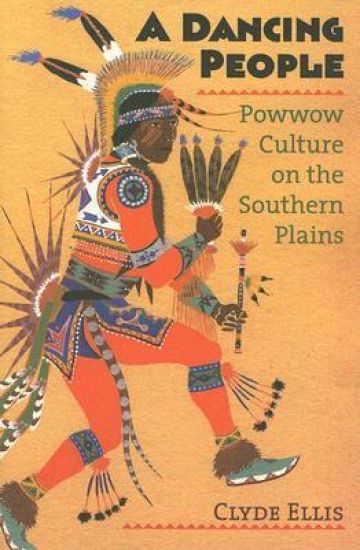
Everywhere they are dancing. From Oklahoma City's huge Red Earth celebration to fund-raising events at local high schools, powwows are a vital element of contemporary Indian life on the Southern Plains. Some see it as tradition, handed down through the generations. Others say it's been sullied by white participation and robbed of its spiritual significance. But, during the past half century, the powwow has become one of the most popular and visible expressions of the dynamic cultural forces at work in Indian country today. Clyde Ellis has written the first comprehensive history of Southern Plains powwow culture--an interdisciplinary, highly collaborative ethnography based on more than two decades of participation in powwows. In seeking to determine what powwow people mean by so designating themselves, he addresses how the powwow and its role in contemporary Indian identity have changed over time--along with its songs and dances--and how Indians for nearly a century have used dance to define themselves within their communities. A Dancing People shows that, whether understood as an intertribal or tribally specific event, dancing often satisfies needs and obligations that are not met in other ways--and that many Southern Plains Indians organize their lives around dancing and the continuity of culture that it represents. As one Kiowa elder explained, When I go to [these dances], I'm right where those old people were. Singing those songs, dancing where they danced. And my children and grandchildren, they've learned these ways, too, because it's good, it's powerful. Ellis tells us not only why and how Southern Plains powwow culture originated, but also something about what it means. He explores powwow's cultural and historical roots, tracing suppression by government advocates of assimilation, Indian resistance movements, internal tribal disputes, and the emergence of powerful song and dance traditions. He also includes a series of conversations and interviews with powwow people in which they comment on why they go to dances and what the dances mean to them as Indian people. An insightful study of performance, ritual, and culture, A Dancing People also makes an important statement about the search for identity among Native Americans today.
In this highly original and moving volume, an anthropologist, a historian, and a Native singer come together to reveal the personal and cultural power of Christian faith among the Kiowas of southwestern Oklahoma and to show how Christian members of the Kiowa community have creatively embraced hymns and made them their own. Kiowas practice a unique expression of Christianity, a blending that began with the arrival of missionaries on the Kiowa-Comanche-Apache Reservation in the 1870s. In these pages, historian Clyde Ellis offers a compelling look at the way in which many Kiowas became Christian over the past century and have woven that faith into their identity. The personal and cultural significance of traditional songs and their close connection to the power of hymns is then illuminated by anthropologist Luke Eric Lassiter. Like traditional Kiowa songs, Christian hymns help restore and minister to the community; they also can be highly individualistic since many are composed and shared by church members themselves at different times in their lives. In the final section of the book Kiowa singer Ralph Kotay tells of the personal meaning and value of the hymns and of the Christian faith in general.This remarkable, sensitive book makes an important contribution to our understanding of the complexity of Native lives today and offers a subtle yet penetrating look at the legacy of Christianity among Native peoples.