Kirjojen hintavertailu. Mukana 12 506 169 kirjaa ja 12 kauppaa.

Kirjailija

Colin J. Flynn

Kirjat ja teokset yhdessä paikassa: 2 kirjaa, julkaisuja vuosilta 2020-2024, suosituimpien joukossa Adult Minority Language Learning. Vertaile teosten hintoja ja tarkista saatavuus suomalaisista kirjakaupoista.

2 kirjaa

Kirjojen julkaisuhaarukka 2020-2024.

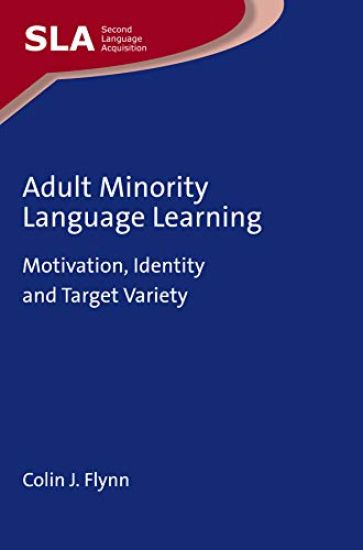
Adult Minority Language Learning

Adult Minority Language Learning

Colin J. Flynn

MULTILINGUAL MATTERS
2024
nidottu
This book examines the role of affective variables in the process of learning a minority language. It presents a comprehensive account of how adult learners’ attitude, motivation and identity are related to their awareness of, and commitment to, different dialects and varieties as target speech models. These issues are examined in the context of Irish, a minority language which does not have a standard spoken variety and where the vast majority of learners have no regular contact with native speakers. Using a mixed methods research approach, this study explores the relationships that exist between, on the one hand, learners’ attitudes towards the three main traditional dialects of Irish and non-traditional second language varieties, and on the other, their motivation and self-concept as second language learners.
Adult Minority Language Learning

Adult Minority Language Learning

Colin J. Flynn

Multilingual Matters
2020
sidottu
This book examines the role of affective variables in the process of learning a minority language. It presents a comprehensive account of how adult learners’ attitude, motivation and identity are related to their awareness of, and commitment to, different dialects and varieties as target speech models. These issues are examined in the context of Irish, a minority language which does not have a standard spoken variety and where the vast majority of learners have no regular contact with native speakers. Using a mixed methods research approach, this study explores the relationships that exist between, on the one hand, learners’ attitudes towards the three main traditional dialects of Irish and non-traditional second language varieties, and on the other, their motivation and self-concept as second language learners.