Kirjojen hintavertailu. Mukana 12 657 676 kirjaa ja 12 kauppaa.
Kirjailija
Conal McCarthy
Kirjat ja teokset yhdessä paikassa: 8 kirjaa, julkaisuja vuosilta 2007-2021, suosituimpien joukossa Exhibiting Maori. Vertaile teosten hintoja ja tarkista saatavuus suomalaisista kirjakaupoista.
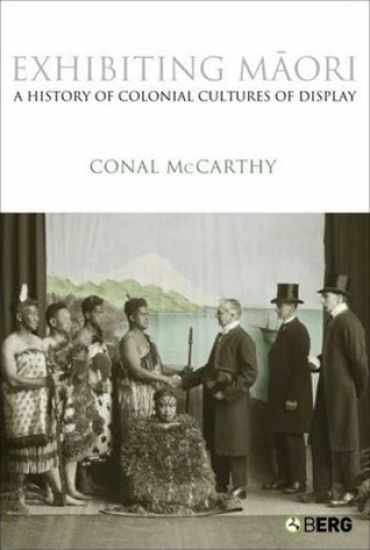
This richly illustrated book presents a comprehensive assessment of the display of Maori culture from the nineteenth century to today. In doing so, Exhibiting Maori traces the long journey from curio to specimen, artefact, art and taonga (treasure). Drawing on extensive and groundbreaking research, Exhibiting Maori reveals for the first time the remarkable story of Maori resistance to, involvement in, and eventual capture of the display of their culture.Ranging across museums, world fairs, fine art and tourism, Exhibiting Maori fuses museum studies, anthropology, and visual and material culture to uncover a history of active Maori engagement with the colonial culture of display.
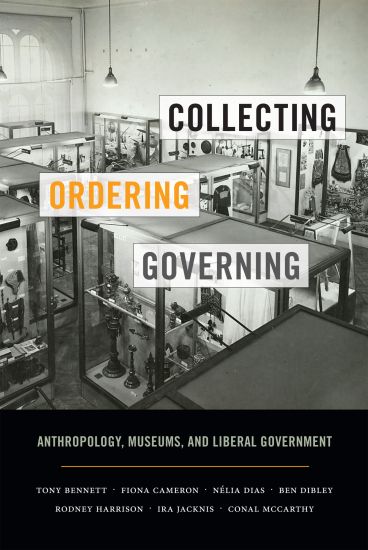
The coauthors of this theoretically innovative work explore the relationships among anthropological fieldwork, museum collecting and display, and social governance in the early twentieth century in Australia, Britain, France, New Zealand, and the United States. With case studies ranging from the Musée de l'Homme's 1930s fieldwork missions in French Indo-China to the influence of Franz Boas's culture concept on the development of American museums, the authors illuminate recent debates about postwar forms of multicultural governance, cultural conceptions of difference, and postcolonial policy and practice in museums. Collecting, Ordering, Governing is essential reading for scholars and students of anthropology, museum studies, cultural studies, and indigenous studies as well as museum and heritage professionals.
The coauthors of this theoretically innovative work explore the relationships among anthropological fieldwork, museum collecting and display, and social governance in the early twentieth century in Australia, Britain, France, New Zealand, and the United States. With case studies ranging from the Musée de l'Homme's 1930s fieldwork missions in French Indo-China to the influence of Franz Boas's culture concept on the development of American museums, the authors illuminate recent debates about postwar forms of multicultural governance, cultural conceptions of difference, and postcolonial policy and practice in museums. Collecting, Ordering, Governing is essential reading for scholars and students of anthropology, museum studies, cultural studies, and indigenous studies as well as museum and heritage professionals.
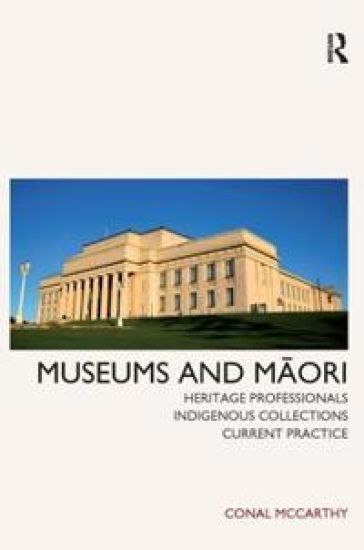
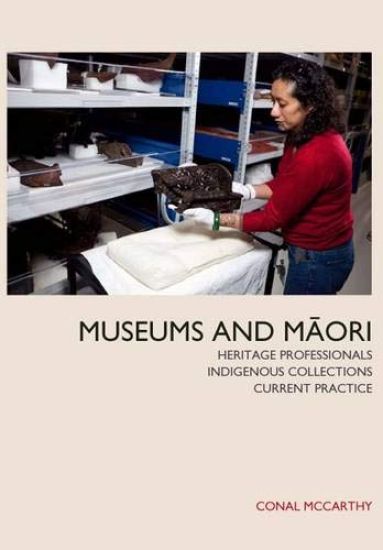
This groundbreaking book explores the revolution in New Zealand museums that is influencing the care and exhibition of indigenous objects worldwide. Drawing on practical examples and research in all kinds of institutions, Conal McCarthy explores the history of relations between museums and indigenous peoples, innovative exhibition practices, community engagement, and curation. He lifts the lid on current practice, showing how museum professionals deal with the indigenous objects in their care, engage with tribal communities, and meet the needs of visitors. The first critical study of its kind, Museums and Maori is an indispensible resource for professionals working with indigenous objects, indigenous communities and cultural centers, and for researchers and students in museology and indigenous studies programs.
This groundbreaking book explores the revolution in New Zealand museums that is influencing the care and exhibition of indigenous objects worldwide. Drawing on practical examples and research in all kinds of institutions, Conal McCarthy explores the history of relations between museums and indigenous peoples, innovative exhibition practices, community engagement, and curation. He lifts the lid on current practice, showing how museum professionals deal with the indigenous objects in their care, engage with tribal communities, and meet the needs of visitors. The first critical study of its kind, Museums and Maori is an indispensible resource for professionals working with indigenous objects, indigenous communities and cultural centers, and for researchers and students in museology and indigenous studies programs.
This ground-breaking book explores the revolution thats transformed New Zealand museums in recent decades, and is influencing how museums worldwide care for indigenous objects. Drawing on practical examples and interviews with professionals from all kinds of institutions, Dr Conal McCarthy lifts the lid on current practice. How do museum professionals deal with the indigenous objects in their care from day to day? How do they engage with tribal communities? How do they meet the needs of visitors, as well as these communities? The first critical study of its kind, Museums and Maori is an indispensible resource for professionals, students, academics, and museum supporters.
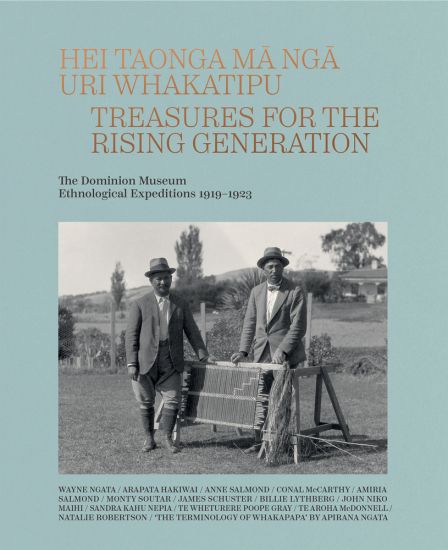
A landmark book about four remarkable museum expeditions that contributed to a recovery of Maori society. From 1919 to 1923, at Sir Apirana Ngata's initiative, a team from the Dominion Museum travelled to tribal areas across Te Ika-a-Maui The North Island to record tikanga Maori (ancestral practices) that Ngata feared might be disappearing. These ethnographic expeditions, the first in the world to be inspired and guided by indigenous leaders, used cutting-edge technologies that included cinematic film and wax cylinders to record fishing techniques, art forms (weaving, kowhaiwhai, kapa haka and moteatea), ancestral rituals and everyday life in the communities they visited. The team visited the 1919 Hui Aroha in Gisborne, the 1920 welcome to the Prince of Wales in Rotorua, and communities along the Whanganui River (1921) and in Tairawhiti (1923). Medical doctor-soldier-ethnographer Te Rangihiroa (Sir Peter Buck), the expedition's photographer and film-maker James McDonald, the ethnologist Elsdon Best and Turnbull Librarian Johannes Andersen recorded a wealth of material. This beautifully illustrated book tells the story of these expeditions, and the determination of early twentieth century Maori leaders, including Ngata, Te Rangihiroa, James Carroll, and those in the communities they visited, to pass on ancestral tikanga 'hei taonga mo nga uri whakatipu' as treasures for a rising generation.
Jonathan Mane-Wheoki (1943–2014) was a much loved and respected academic and curator of broad and varied interests, who made an immense contribution to New Zealand art history over almost half a century. His scholarship was matched by a terrific generosity of spirit and personal charisma. Colonial Gothic to Maori Renaissance is a remarkable tribute to his memory from friends, colleagues and former students alike. Its contents are as varied and interesting as the man himself: Victorian church architecture and liturgy, mysticism, the New Zealand International Exhibition of 1906, the Toi Te Papa exhibition of 2006, traditional and contemporary Maori art, and the artists Thomas Benjamin Kennington, Gottfried Lindauer, Colin McCahon, Tony Fomison, Philip Clairmont and Emily Karaka are all included here. Beautifully illustrated and scholarly yet readable, this book is a powerful testament to the inspiration of a remarkable person.