Kirjojen hintavertailu. Mukana 12 390 323 kirjaa ja 12 kauppaa.

Kirjailija

Craig A. Hammond

Kirjat ja teokset yhdessä paikassa: 2 kirjaa, julkaisuja vuosilta 2017-2018, suosituimpien joukossa Hope, Utopia and Creativity in Higher Education. Vertaile teosten hintoja ja tarkista saatavuus suomalaisista kirjakaupoista.

2 kirjaa

Kirjojen julkaisuhaarukka 2017-2018.

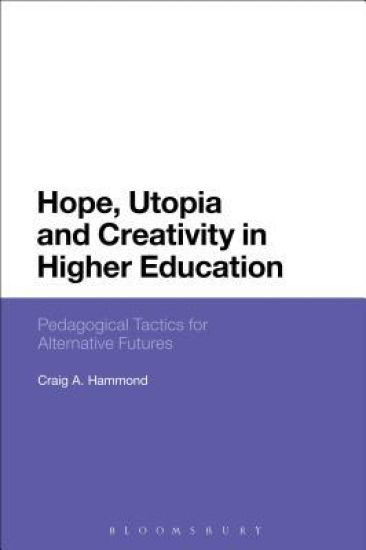
Hope, Utopia and Creativity in Higher Education

Hope, Utopia and Creativity in Higher Education

Craig A. Hammond

Bloomsbury Academic
2018
nidottu
Reappraising ideas associated with Ernst Bloch, Roland Barthes and Gaston Bachelard within the context of a utopian pedagogy, Hope, Utopia and Creativity in Higher Education reframes the transformative, creative and collaborative potential of education offering new concepts, tactics and pedagogical possibilities. Craig A. Hammond explores ways of analysing and democratising not only pedagogical conception, knowledge and delivery, but also the learning experience, and processes of negotiation and peer-assessment. Hammond shows how the incorporation of already existent learner hopes, daydreams, and creative possibilities can open up new opportunities for thinking about popular culture and memory, learning and knowledge, and collaborative communities of support. Drawing together theoretical and cultural material in a teaching and learning environment of empowerment, Hammond illustrates that formative articulations of alternative, utopian futures, across sociological, humanities, and education studies subjects and curricula, becomes possible.
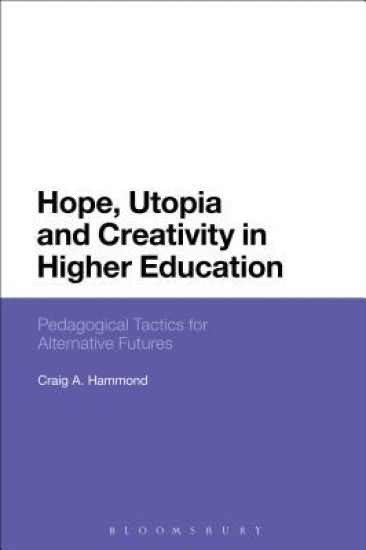
Hope, Utopia and Creativity in Higher Education

Hope, Utopia and Creativity in Higher Education

Craig A. Hammond

Bloomsbury Academic
2017
sidottu
Reappraising ideas associated with Ernst Bloch, Roland Barthes and Gaston Bachelard within the context of a utopian pedagogy, Hope, Utopia and Creativity in Higher Education reframes the transformative, creative and collaborative potential of education offering new concepts, tactics and pedagogical possibilities. Craig A. Hammond explores ways of analysing and democratising not only pedagogical conception, knowledge and delivery, but also the learning experience, and processes of negotiation and peer-assessment. Hammond shows how the incorporation of already existent learner hopes, daydreams, and creative possibilities can open up new opportunities for thinking about popular culture and memory, learning and knowledge, and collaborative communities of support. Drawing together theoretical and cultural material in a teaching and learning environment of empowerment, Hammond illustrates that formative articulations of alternative, utopian futures, across sociological, humanities, and education studies subjects and curricula, becomes possible.