Kirjojen hintavertailu. Mukana 12 390 323 kirjaa ja 12 kauppaa.

Kirjailija

Craig N. Cipolla

Kirjat ja teokset yhdessä paikassa: 7 kirjaa, julkaisuja vuosilta 2017-2023, suosituimpien joukossa Archaeological Theory in Dialogue. Vertaile teosten hintoja ja tarkista saatavuus suomalaisista kirjakaupoista.

7 kirjaa

Kirjojen julkaisuhaarukka 2017-2023.

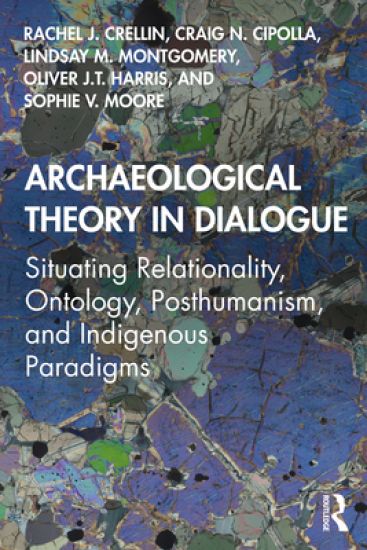
Archaeological Theory in Dialogue

Archaeological Theory in Dialogue

Rachel J. Crellin; Craig N. Cipolla; Lindsay M. Montgomery; Oliver J.T. Harris; Sophie V. Moore

Routledge
2020
nidottu
Archaeological Theory in Dialogue presents an innovative conversation between five scholars from different backgrounds on a range of central issues facing archaeology today.Interspersing detailed investigations of critical theoretical issues with dialogues between the authors, the book interrogates the importance of four themes at the heart of much contemporary theoretical debate: relations, ontology, posthumanism, and Indigenous paradigms. The authors, who work in Europe and North America, explore how these themes are shaping the ways that archaeologists conduct fieldwork, conceptualize the past, and engage with the political and ethical challenges that our discipline faces in the twenty-first century.The unique style of Archaeological Theory in Dialogue, switching between detailed arguments and dialogical exchange, makes it essential reading for both scholars and students of archaeological theory and those with an interest in the politics and ethics of the past.
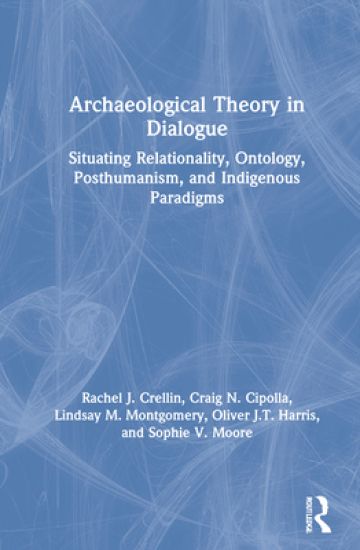
Archaeological Theory in Dialogue

Archaeological Theory in Dialogue

Rachel J. Crellin; Craig N. Cipolla; Lindsay M. Montgomery; Oliver J.T. Harris; Sophie V. Moore

Routledge
2020
sidottu
Archaeological Theory in Dialogue presents an innovative conversation between five scholars from different backgrounds on a range of central issues facing archaeology today.Interspersing detailed investigations of critical theoretical issues with dialogues between the authors, the book interrogates the importance of four themes at the heart of much contemporary theoretical debate: relations, ontology, posthumanism, and Indigenous paradigms. The authors, who work in Europe and North America, explore how these themes are shaping the ways that archaeologists conduct fieldwork, conceptualize the past, and engage with the political and ethical challenges that our discipline faces in the twenty-first century.The unique style of Archaeological Theory in Dialogue, switching between detailed arguments and dialogical exchange, makes it essential reading for both scholars and students of archaeological theory and those with an interest in the politics and ethics of the past.
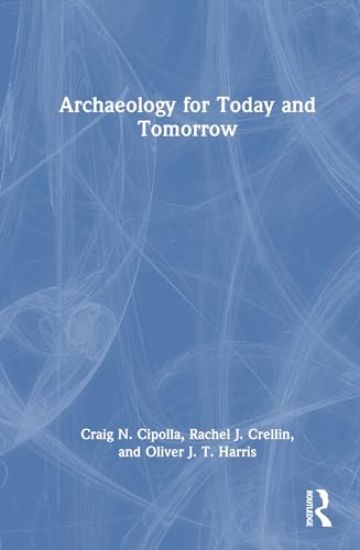
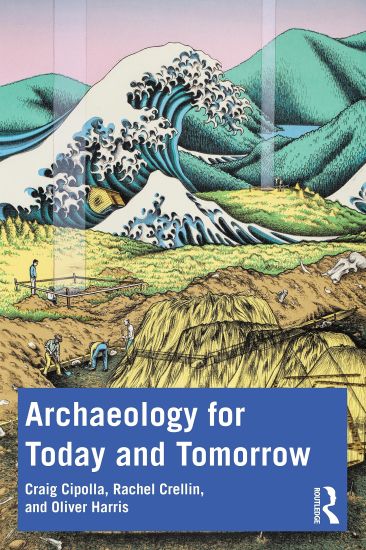
Archaeology for Today and Tomorrow

Archaeology for Today and Tomorrow

Craig N. Cipolla; Rachel J. Crellin; Oliver J. T. Harris

TAYLOR FRANCIS LTD
2023
sidottu
Archaeology for Today and Tomorrow explores how cutting-edge archaeological theories have implications not only for how we study the past but also how we think about and prepare for the future.Ranging from how we understand migration or political leadership to how we think about violence or ecological crisis, the book argues that archaeology should embrace a “future-oriented” attitude. Behind the traditional archaeological gaze on the past is a unique and useful collection of skills, tools, and orientations for rethinking the present and future. Further, it asserts that archaeological theory is not only vital for how we conduct our work as archaeologists and how we create narratives about the past but also for how we think about the broader world in the present and, crucially, how we envision and shape the future. Each of the chapters in the book links theoretical approaches and global archaeological case studies to a specific contemporary issue. It examines such issues as human movement, violence, human and non-human relations, the Anthropocene, and fake news to showcase the critical contributions that archaeology, and archaeological theory, can make to shaping the world of tomorrow.An ideal book for courses on archaeology in the modern world and public archaeology, it will also appeal to archaeology students and researchers in general and all those in related disciplines interested in areas of critical contemporary concern.
Archaeology for Today and Tomorrow

Archaeology for Today and Tomorrow

Craig N. Cipolla; Rachel J. Crellin; Oliver J. T. Harris

TAYLOR FRANCIS LTD
2023
nidottu
Archaeology for Today and Tomorrow explores how cutting-edge archaeological theories have implications not only for how we study the past but also how we think about and prepare for the future.Ranging from how we understand migration or political leadership to how we think about violence or ecological crisis, the book argues that archaeology should embrace a “future-oriented” attitude. Behind the traditional archaeological gaze on the past is a unique and useful collection of skills, tools, and orientations for rethinking the present and future. Further, it asserts that archaeological theory is not only vital for how we conduct our work as archaeologists and how we create narratives about the past but also for how we think about the broader world in the present and, crucially, how we envision and shape the future. Each of the chapters in the book links theoretical approaches and global archaeological case studies to a specific contemporary issue. It examines such issues as human movement, violence, human and non-human relations, the Anthropocene, and fake news to showcase the critical contributions that archaeology, and archaeological theory, can make to shaping the world of tomorrow.An ideal book for courses on archaeology in the modern world and public archaeology, it will also appeal to archaeology students and researchers in general and all those in related disciplines interested in areas of critical contemporary concern.
Archaeological Theory in the New Millennium

Archaeological Theory in the New Millennium

Oliver J.T. Harris; Craig N. Cipolla

Routledge
2017
sidottu
Archaeological Theory in the New Millennium provides an account of the changing world of archaeological theory and a challenge to more traditional narratives of archaeological thought. It charts the emergence of the new emphasis on relations as well as engaging with other current theoretical trends and the thinkers archaeologists regularly employ. Bringing together different strands of global archaeological theory and placing them in dialogue, the book explores the similarities and differences between different contemporary trends in theory while also highlighting potential strengths and weaknesses of different approaches. Written in a way to maximise its accessibility, in direct contrast to many of the sources on which it draws, Archaeological Theory in the New Millennium is an essential guide to cutting-edge theory for students and for professionals wishing to reacquaint themselves with this field.
Becoming Brothertown

Becoming Brothertown

Craig N. Cipolla

University of Arizona Press
2017
nidottu
Histories of New England typically frame the region’s Indigenous populations in terms of effects felt from European colonialism: the ravages of epidemics and warfare, the restrictions of reservation life, and the influences of European-introduced ideas, customs, and materials. Much less attention is given to how Algonquian peoples actively used and transformed European things, endured imposed hardships, and negotiated their own identities. In Becoming Brothertown, Craig N. Cipolla searches for a deeper understanding of Native American history.Covering the eighteenth century to the present, the book explores the emergence of the Brothertown Indians, a "new" community of Native peoples formed in direct response to colonialism and guided by the vision of Samson Occom, a Mohegan Indian and ordained Presbyterian minister. Breaking away from their home settlements of coastal New England during the late eighteenth century, members of various tribes migrated to Oneida Country in central New York State in hopes of escaping East Coast land politics and the corrupting influences of colonial culture. In the nineteenth century, the new community relocated once again, this time to present-day Wisconsin, where the Brothertown Indian Nation remains centered today. Cipolla combines historical archaeology, gravestone studies, and discourse analysis to tell the story of the Brothertown Indians. The book develops a pragmatic approach to the study of colonialism while adding an archaeological perspective on Brothertown history, filling a crucial gap in the regional archaeological literature.
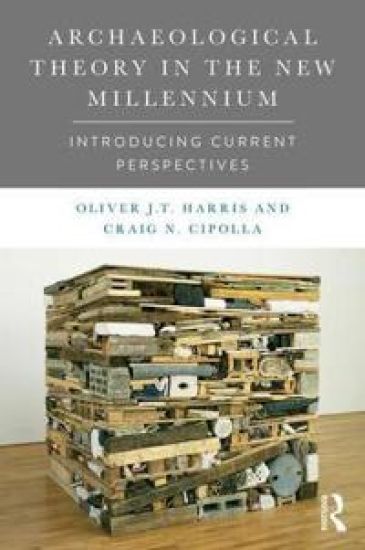
Archaeological Theory in the New Millennium

Archaeological Theory in the New Millennium

Oliver J.T. Harris; Craig N. Cipolla

Routledge
2017
nidottu
Archaeological Theory in the New Millennium provides an account of the changing world of archaeological theory and a challenge to more traditional narratives of archaeological thought. It charts the emergence of the new emphasis on relations as well as engaging with other current theoretical trends and the thinkers archaeologists regularly employ. Bringing together different strands of global archaeological theory and placing them in dialogue, the book explores the similarities and differences between different contemporary trends in theory while also highlighting potential strengths and weaknesses of different approaches. Written in a way to maximise its accessibility, in direct contrast to many of the sources on which it draws, Archaeological Theory in the New Millennium is an essential guide to cutting-edge theory for students and for professionals wishing to reacquaint themselves with this field.