Kirjojen hintavertailu. Mukana 12 156 314 kirjaa ja 12 kauppaa.

Kirjailija

Csaba Békés

Kirjat ja teokset yhdessä paikassa: 2 kirjaa, julkaisuja vuodelta 2022, suosituimpien joukossa Hungary's Cold War. Vertaile teosten hintoja ja tarkista saatavuus suomalaisista kirjakaupoista.

2 kirjaa

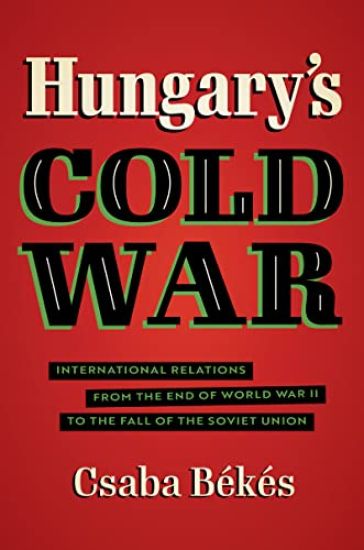
Hungary's Cold War

Hungary's Cold War

Csaba Békés

THE UNIVERSITY OF NORTH CAROLINA PRESS
2022
sidottu
In this magisterial and pathbreaking work, Csaba Bekes shares decades of his research to provide a sweeping examination of Hungary's international relations with both the Soviet Bloc and the West from the end of World War II to the dissolution of the Soviet Union in 1991. Unlike many studies of the global Cold War that focus on East-West relationships—often from the vantage point of the West—Bekes grounds his work in the East, drawing on little-used, non-English sources. As such, he offers a new and sweeping Cold War narrative using Hungary as a case study, demonstrating that the East-Central European states have played a much more important role in shaping both the Soviet bloc's overall policy and the East-West relationship than previously assumed. Similarly, he shows how the relationship between Moscow and its allies, as well as among the bloc countries, was much more complex than it appeared to most observers in the East and the West alike.
Hungary's Cold War

Hungary's Cold War

Csaba Békés

THE UNIVERSITY OF NORTH CAROLINA PRESS
2022
pokkari
In this magisterial and pathbreaking work, Csaba Bekes shares decades of his research to provide a sweeping examination of Hungary's international relations with both the Soviet Bloc and the West from the end of World War II to the dissolution of the Soviet Union in 1991. Unlike many studies of the global Cold War that focus on East-West relationships—often from the vantage point of the West—Bekes grounds his work in the East, drawing on little-used, non-English sources. As such, he offers a new and sweeping Cold War narrative using Hungary as a case study, demonstrating that the East-Central European states have played a much more important role in shaping both the Soviet bloc's overall policy and the East-West relationship than previously assumed. Similarly, he shows how the relationship between Moscow and its allies, as well as among the bloc countries, was much more complex than it appeared to most observers in the East and the West alike.