
Kirjojen hintavertailu. Mukana 12 595 353 kirjaa ja 12 kauppaa.

Kirjailija

Curtis L. Hancock

Kirjat ja teokset yhdessä paikassa: 2 kirjaa, julkaisuja vuodelta 1997, suosituimpien joukossa Truth and Religious Belief. Vertaile teosten hintoja ja tarkista saatavuus suomalaisista kirjakaupoista.

2 kirjaa

Truth and Religious Belief

Truth and Religious Belief

Curtis L. Hancock; Brendan Sweetman; Randolph Feezell

M.E. Sharpe
1997
sidottu
This book contains a thorough and balanced series of dialogues introducing key topics in philosophy of religion, such as: the existence and nature of God, the problem of evil, religious pluralism, the nature of religious experience, immortality, and the meaning of life. A realistic cast of characters in a natural setting engages in a series of thought-provoking conversations; the dialogue format of these conversations captures typical student attitudes and questions concerning religious belief; allows comparison of important themes throughout the dialogues; encourages the interjection of insights, observations, questions, and objections; and introduces related points when they would naturally arise, instead of relegating them to a later chapter. As well as presenting a detailed and probing discussion, each dialogue includes a list of key terms, a set of study questions, and a bibliography - all of which make this an excellent text for courses in philosophy of religion and introductory philosophy classes.
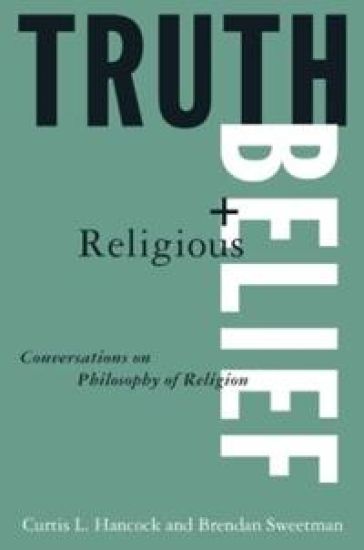
Truth and Religious Belief

Truth and Religious Belief

Curtis L. Hancock; Brendan Sweetman; Randolph Feezell

M.E. Sharpe
1997
nidottu
This book contains a thorough and balanced series of dialogues introducing key topics in philosophy of religion, such as: the existence and nature of God, the problem of evil, religious pluralism, the nature of religious experience, immortality, and the meaning of life. A realistic cast of characters in a natural setting engages in a series of thought-provoking conversations; the dialogue format of these conversations captures typical student attitudes and questions concerning religious belief; allows comparison of important themes throughout the dialogues; encourages the interjection of insights, observations, questions, and objections; and introduces related points when they would naturally arise, instead of relegating them to a later chapter. As well as presenting a detailed and probing discussion, each dialogue includes a list of key terms, a set of study questions, and a bibliography - all of which make this an excellent text for courses in philosophy of religion and introductory philosophy classes.