Kirjojen hintavertailu. Mukana 12 390 323 kirjaa ja 12 kauppaa.
Kirjailija
Curtiss Paul DeYoung
Kirjat ja teokset yhdessä paikassa: 8 kirjaa, julkaisuja vuosilta 2003-2023, suosituimpien joukossa Beyond Rhetoric. Vertaile teosten hintoja ja tarkista saatavuus suomalaisista kirjakaupoista.
Are you a Christian, an activist, or both yearning for justice to roll down like water? Are you seeking Biblically informed spiritual guidance while keeping your eyes open to challenging societal truths? This collection of sermonic reflections from Curtiss Paul DeYoung, CEO of the Minnesota Council of Churches, written following the murder of George Floyd, provides spiritual sustenance for the activist soul. Reacting to high-profile police-involved BIPOC deaths locally and nationally, DeYoung turns to the Bible for inspiration to continue the work for justice, urging activists to remain spiritually awake as they strive for positive social change.
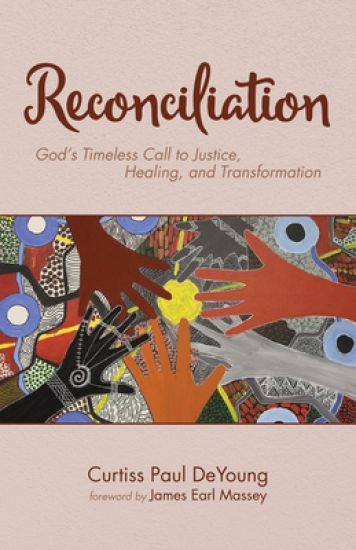
Rather than settling for cheap shortcuts to harmony, Curtiss Paul DeYoung invites us to embrace a costly reconciliation. Reconciliation: God's Timeless Call to Justice, Healing, and Transformation describes what is essential for engaging in the process of costly reconciliation: taking responsibility, seeking forgiveness, repairing the wrong, healing the soul, and creating new ways of relating. Chapters close with a set of study-guide questions for readers who seek a concise, lay-oriented articulation of the biblical mandate for reconciliation across racial, gender, and class lines. This is the 2019 reprint edition of Reconciliation: Our Greatest Challenge--Our Only Hope.
Christian ethicist, Curtiss DeYoung profiles three of the most dynamic and influential religious activists of the twentieth century: Dietrich Bonhoeffer, Malcolm X, and Aung San Suu Kyi - each from a different generation, a different faith community, and a different continent. His portraits show how their mystic faith drove them to justice commitments and beyond customary boundaries between people from other traditions, countries, and ways of life.
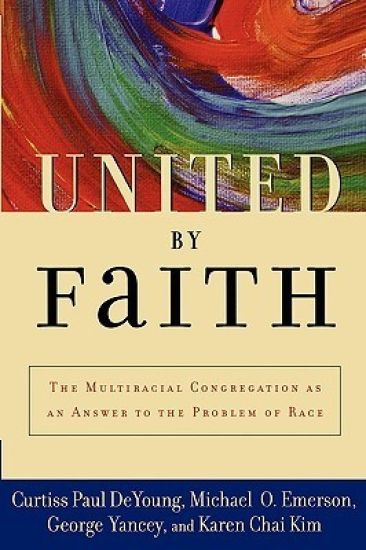
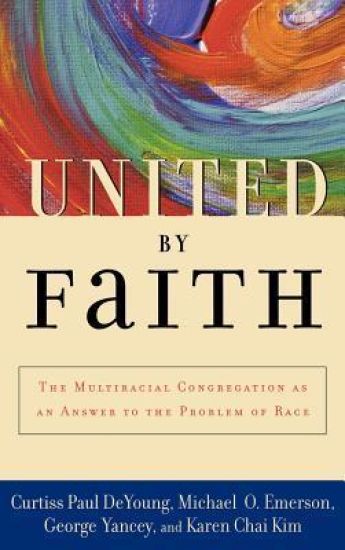
In the last four decades, desegregation has revolutionized almost every aspect of life in the United States: schools, businesses, government offices, even entertainment. But there is one area that remains largely untouched, and that is the church. Now comes a major new call for multiracial congregations in every possible setting--a call that is surprisingly controversial, even in the twenty-first century. In United By Faith, a multiracial team of sociologists and a minister of the Church of God argue that multiracial Christian congregations offer a key to opening the still-locked door between the races in the United States. They note, however, that a belief persists--even in African-American and Latino churches--that racial segregation is an acceptable, even useful practice. The authors examine this question from biblical, historical, and theological perspectives to make their case. They explore the long history of interracialism in the church, with specific examples of multiracial congregations in the United States. They cite examples ranging from the abolitionist movement to an astonishing 1897 camp meeting in Alabama that brought together hundreds of whites and blacks literally into the same tent. Here, too, is a critical account of the theological arguments in favor of racial separation, as voiced in the African-American, Latino, Asian-American, Native-American, and white contexts. The authors respond in detail, closing with a foundation for a theology suited to sustaining multiracial congregations over time. Faith can be the basis for healing, but too often Christian faith has been a field for injury and division. In this important new book, readers will glimpse a way forward, a path toward once again making the church the basis for racial reconciliation in our still-splintered nation.
In the last four decades, desegregation has revolutionized almost every aspect of life in the United States: schools, businesses, government offices, even entertainment. But there is one area that remains largely untouched, and that is the church. Now comes a major new call for multiracial congregations in every possible setting--a call that is surprisingly controversial, even in the twenty-first century. In United By Faith, a multiracial team of sociologists and a minister of the Church of God argue that multiracial Christian congregations offer a key to opening the still-locked door between the races in the United States. They note, however, that a belief persists--even in African-American and Latino churches--that racial segregation is an acceptable, even useful practice. The authors examine this question from biblical, historical, and theological perspectives to make their case. They explore the long history of interracialism in the church, with specific examples of multiracial congregations in the United States. They cite examples ranging from the abolitionist movement to an astonishing 1897 camp meeting in Alabama that brought together hundreds of whites and blacks literally into the same tent. Here, too, is a critical account of the theological arguments in favor of racial separation, as voiced in the African-American, Latino, Asian-American, Native-American, and white contexts. The authors respond in detail, closing with a foundation for a theology suited to sustaining multiracial congregations over time. Faith can be the basis for healing, but too often Christian faith has been a field for injury and division. In this important new book, readers will glimpse a way forward, a path toward once again making the church the basis for racial reconciliation in our still-splintered nation.