

Kirjailija
Cyril Hovorun
Kirjat ja teokset yhdessä paikassa: 8 kirjaa, julkaisuja vuosilta 2015-2026, suosituimpien joukossa Putin's Altar Boy. Vertaile teosten hintoja ja tarkista saatavuus suomalaisista kirjakaupoista.
8 kirjaa
Kirjojen julkaisuhaarukka 2015-2026.
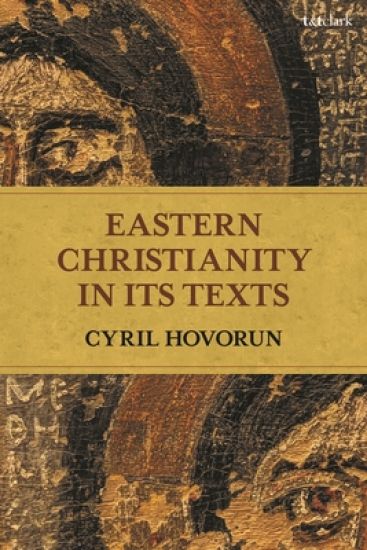
Surveying theological literature produced in the Christian East from the first through the 20th century, Eastern Christianity in its Texts explores different theological themes (analytical and mystical), genres (epistles, treatises, and poetry), and milieux (Greek, Armenian, Western and Eastern Syriac, Russian and Romanian).The book illustrates the evolution of the Orthodox thought, how it influenced and was influenced by intellectual, social, and political environments. It demonstrates a theology in context, and yet displays consistency in the traditions spread through different epochs and countries. The book is divided in five parts, each standing for an epoch with distinct features: formation of the Christian identity in the era before Constantine, golden age of theology in the period of Late Antiquity, the pinnacle of erudism and mysticism in the eastern Middle Ages, wrestling with the Modernity imported from the West in the 18th-19th centuries, and finally theological polyphony in the 20th century.
Surveying theological literature produced in the Christian East from the first through the 20th century, Eastern Christianity in its Texts explores different theological themes (analytical and mystical), genres (epistles, treatises, and poetry), and milieux (Greek, Armenian, Western and Eastern Syriac, Russian and Romanian).The book illustrates the evolution of the Orthodox thought, how it influenced and was influenced by intellectual, social, and political environments. It demonstrates a theology in context, and yet displays consistency in the traditions spread through different epochs and countries. The book is divided in five parts, each standing for an epoch with distinct features: formation of the Christian identity in the era before Constantine, golden age of theology in the period of Late Antiquity, the pinnacle of erudism and mysticism in the eastern Middle Ages, wrestling with the Modernity imported from the West in the 18th-19th centuries, and finally theological polyphony in the 20th century.
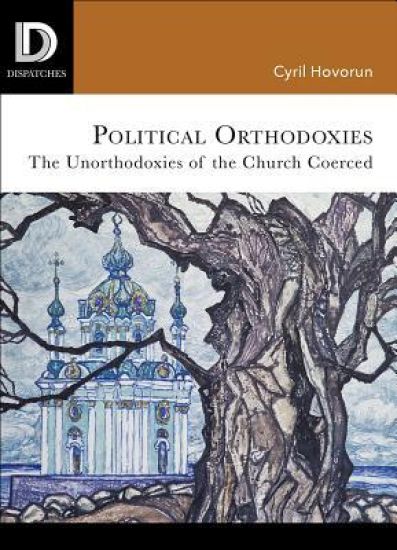
Political Orthodoxies
Cyril Hovorun; Ashley John Moyse; Scott A. Kirkland
Fortress Press,U.S.
2018
nidottu
Dispatches on nationalism and religionAs an insider to church politics and a scholar of contemporary Orthodoxy, Cyril Hovorun outlines forms of political orthodoxy in Orthodox churches, past and present.Hovorun draws a big picture of religion being politicized and even weaponized. While Political Orthodoxies assesses phenomena such as nationalism and anti-Semitism, both widely associated with Eastern Christianity, Hovorun focuses on the theological underpinnings of the culture wars waged in eastern and southern Europe. The issues in these wars include monarchy and democracy, Orientalism and Occidentalism, canonical territory, and autocephaly. Wrought with peril, Orthodox culture wars have proven to turn toward bloody conflict, such as in Georgia in 2008 and Ukraine in 2014.Accordingly, this book explains the aggressive behavior of Russia toward its neighbors and the West from a religious standpoint. The spiritual revival of Orthodoxy after the collapse of Communism made the Orthodox church in Russia, among other things, an influential political protagonist, which in some cases goes ahead of the Kremlin. Following his identification and analysis, Hovorun suggests ways to bring political Orthodoxy back to the apostolic and patristic track.
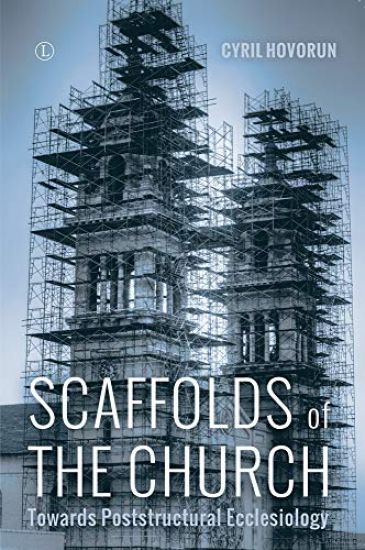
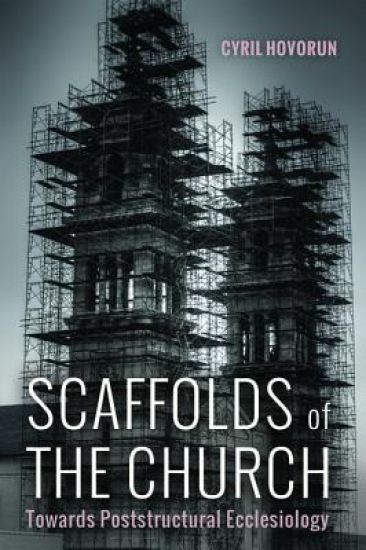
Unity is the categorical imperative of the Church. It is not just the Church's bene esse, but its esse. In addition to being a theological concept, unity has become a raison d'être of various structures that the Church has established and developed. All of these structures are supposed to serve the end of unity. However, from time to time some of them deviate from their initial purpose and contribute to disunity. This happens because the structures of the Church are not a part of its nature and can therefore turn against it. They are like scaffolding, which facilitates the construction and maintenance of a building without actually being part of it. Likewise, ecclesial structures help the Church function in accordance with its nature but should not be identified with the Church proper. Scaffolds of the Church considers the evolution of some of these structures and evaluates their correspondence to their initial rationale. It focusses on particular structures that have developed in the eastern part of the Christian oecumene, such as patriarchates, canonical territory, and autocephaly, all of which are explored in the more general frame of hierarchy and primacy. They were selected because they are most neuralgic in the life of the Orthodox Churches today and bear in them the greatest potential to divide.

The book explores the variables and invariables of the church. Its argument is that self-awareness of the church was often a matter of change, depending on historical circumstances. It encourages appreciating plurality in the church and sets the system of coordinates for identifying the ecclesial 'self'.