
Kirjojen hintavertailu. Mukana 12 282 612 kirjaa ja 12 kauppaa.

Kirjailija

Cyril Kirwan

Kirjat ja teokset yhdessä paikassa: 3 kirjaa, julkaisuja vuosilta 2009-2024, suosituimpien joukossa Making Sense of Organizational Learning. Vertaile teosten hintoja ja tarkista saatavuus suomalaisista kirjakaupoista.

3 kirjaa

Kirjojen julkaisuhaarukka 2009-2024.

Improving Learning Transfer

Improving Learning Transfer

Cyril Kirwan

TAYLOR FRANCIS LTD
2024
nidottu
In today's constantly changing business environment, capable people are crucial to an organization's success, and developing their capabilities through training, learning and development initiatives is a major investment. While measuring the return on that investment is important, attempts to do so are much less valuable if they are not accompanied by a clear understanding of all of the factors than can affect the application of new skills and knowledge on the job - in other words, a clear understanding of what affects learning transfer. So, if organisations are to remain competitive, and develop the highly skilled people that will contribute to their future performance, improving learning transfer should be a priority. Cyril Kirwan's book addresses this critical issue at a number of levels. Firstly, it explores what learning transfer actually is (it's about application of learning back at work, as well as maintenance of that learning over time). Secondly, it describes the main factors that affect transfer, in terms of trainee characteristics, training design factors, and work environment characteristics. It also examines how those factors exert their effect, which ones are more important, how they interact with one another, and in doing so constructs a practical learning transfer model for practitioners. The book also describes in some detail what the various factors working for or against learning transfer look like in practice. Finally, using case studies, it points the way towards what can be done before, during and after training to improve the rate of transfer. This highly practical book will help trainers, development specialists and line managers ensure that their training is about real outcomes and not just inputs.
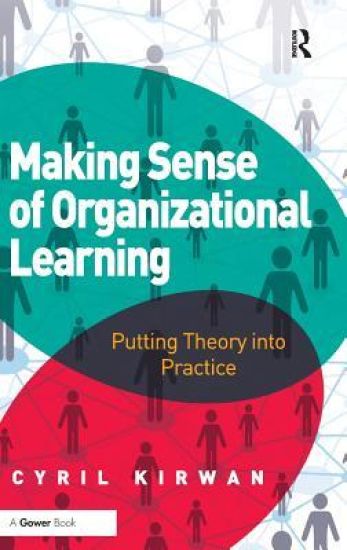
Making Sense of Organizational Learning

Making Sense of Organizational Learning

Cyril Kirwan

Ashgate Publishing Limited
2013
sidottu
The ability of a business to engage in real organizational learning and to do so faster and in a more sustainable way than its competitors is being increasingly seen as an essential component of success. In Making Sense of Organizational Learning, Cyril Kirwan examines the wide range of factors necessary to create and sustain organizational learning and knowledge at all levels. At the individual level, the generation of continuous learning opportunities and reflection on experiences are critically important. At the team level, it’s about encouraging collaboration, team learning and the sharing of knowledge. At the organizational level, the emphasis is on building systems to capture and share knowledge and providing strategic leadership for learning. The book shows you how you can best exploit the knowledge that already exists within your organization while at the same time develop the capability of the people that work there. It deals in turn with individual learning; learning with others; learning in organizations; and in particular the role of the HR function and of line managers. Each chapter provides theoretical background and real-world examples. Diagnostic questionnaires, checklists and other tools are also included. Making Sense of Organizational Learning provides an evidence-based argument for the adoption of effective organizational learning policies and practices, and offers a real opportunity to improve performance. Thinking practitioners working in and around learning and development or organization development will find it invaluable, as will those undertaking post-graduate study in HR and related disciplines.
Improving Learning Transfer

Improving Learning Transfer

Cyril Kirwan

Gower Publishing Ltd
2009
sidottu
In today's constantly changing business environment, capable people are crucial to an organization's success, and developing their capabilities through training, learning and development initiatives is a major investment. While measuring the return on that investment is important, attempts to do so are much less valuable if they are not accompanied by a clear understanding of all of the factors than can affect the application of new skills and knowledge on the job - in other words, a clear understanding of what affects learning transfer. So, if organisations are to remain competitive, and develop the highly skilled people that will contribute to their future performance, improving learning transfer should be a priority. Cyril Kirwan's book addresses this critical issue at a number of levels. Firstly, it explores what learning transfer actually is (it's about application of learning back at work, as well as maintenance of that learning over time). Secondly, it describes the main factors that affect transfer, in terms of trainee characteristics, training design factors, and work environment characteristics. It also examines how those factors exert their effect, which ones are more important, how they interact with one another, and in doing so constructs a practical learning transfer model for practitioners. The book also describes in some detail what the various factors working for or against learning transfer look like in practice. Finally, using case studies, it points the way towards what can be done before, during and after training to improve the rate of transfer. This highly practical book will help trainers, development specialists and line managers ensure that their training is about real outcomes and not just inputs.