
Kirjailija
Cyril W Beaumont
Kirjat ja teokset yhdessä paikassa: 6 kirjaa, julkaisuja vuosilta 1996-2020, suosituimpien joukossa The Ballet Called Swan Lake. Vertaile teosten hintoja ja tarkista saatavuus suomalaisista kirjakaupoista.
Mukana myös kirjoitusasut: Cyril W. Beaumont
6 kirjaa
Kirjojen julkaisuhaarukka 1996-2020.

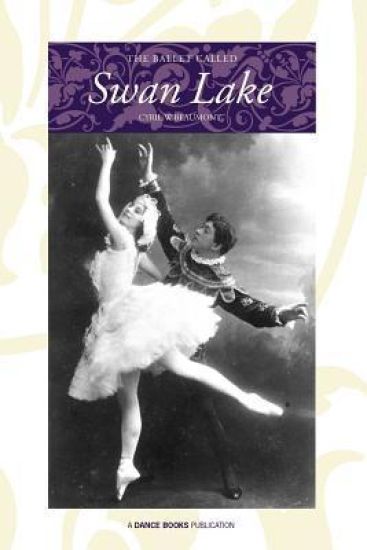
This classic book is the definitive work on one of ballet's greatest and most popular works, Swan Lake. The book is in two parts. The first describes the evolution of Swan Lake from its initial conception to its first realisation by the Austrian choreographer Julius Wenzel Reisinger, which was a comparative failure, followed by the story of the ballet's resuscitation and eventual triumph by Marius Petipa and Lev Ivanov. Included are the original synopses of both the original Reisinger production and the Petipa-Ivanov version. There is an account of Tchaikovsky and his score, together with details of the original settings and costumes, and many of those designed for later productions. The second part of the book is concerned with the actual presentation of the ballet. The choreography of all four acts of the Petipa-Ivanov version is set out in full, with explanations of not only the stage action, but also of how the dancers move, the kind of steps they do, the gestures they make and what they are intended to express. The various roles are also analysed from the dancers' points of view, and some of the problems that may confront both dancer and producer are considered and resolved. Finally, there is a survey of some of the great dancers who over the years have achieved distinction in the roles of Odette-Odile and Prince Siegfried.

First published in 1944, this classic book remains the definitive work on the masterpiece of the Romantic Ballet, Giselle. The book is in two parts, the first dealing with the original 1841 production, the second with technical and critical aspects of the ballet. Part I charts the evolution of the Romantic Ballet, and then gives a detailed description of the original production of Giselle, including a synopsis and accounts of the settings, costumes and creators of the original roles. Part II describes the stage action - the steps, gestures and the meanings they express - and analyses the interpretation of the roles. The book concludes with a survey of dancers who won fame for their performances as Giselle and as Albrecht.
