Kirjojen hintavertailu. Mukana 12 595 353 kirjaa ja 12 kauppaa.

Kirjailija

Cyrus Samii

Kirjat ja teokset yhdessä paikassa: 4 kirjaa, julkaisuja vuosilta 2010-2021, suosituimpien joukossa Golconde. Vertaile teosten hintoja ja tarkista saatavuus suomalaisista kirjakaupoista.

4 kirjaa

Kirjojen julkaisuhaarukka 2010-2021.

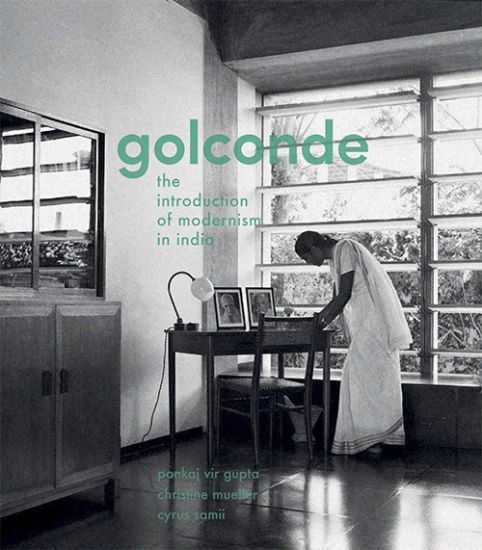
Golconde

Golconde

Pankaj Vir Gupta; Christine Mueller; Cyrus Samii

Actar Publishers
2021
pokkari
Golconde is an astonishing architectural accomplishment. With technical finesse and extraordinary craft, it offers a living testament to the original modernist credo - architecture as the manifest union of technology, aesthetics, and social reform. Here exists an undiluted view of a wholly triumphant tropical Modernism, built during the tumultuous years of the second world war. If ever there was a time when the notion of sanctuary, of a place in the world at a safe remove from its tribulations needed to be manifest, then this certainly is that year. Enforced isolations, mediated encounters, and filtered interfaces have become the norm. An unseen adversary has unmasked our frailty, weaponizing our own breath, making an enemy even of that essential human construct - shared space. The seeking of spatial solace has been a human preoccupation for much of our existence. Golconde is one such exemplar of calm. Created during another tumultuous time of human suffering - at the onset of the second World War - this building continues to offer succor to its residents, even from this latest upheaval. Mira Nakashima, George Nakashima's daughter, contributes with a new 800 word introduction essay for this new edition.
Diversity, Violence, and Recognition

Diversity, Violence, and Recognition

Elisabeth King; Cyrus Samii

Oxford University Press Inc
2020
sidottu
When considering strategies to address violent conflict, scholars and policymakers debate the wisdom of recognizing versus avoiding reference to ethnic identities in government institutions. In Diversity, Violence, and Recognition, Elisabeth King and Cyrus Samii examine the reasons that governments choose to recognize ethnic identities and the consequences of such choices for peace. The authors introduce a theory on the merits and risks of recognizing ethnic groups in state institutions, pointing to the crucial role of ethnic demographics. Through a global quantitative analysis and in-depth case studies of Burundi, Rwanda, and Ethiopia, they find promise in recognition. Countries that adopt recognition go on to experience less violence, more economic vitality, and more democratic politics, but these effects depend on which ethnic group is in power. King and Samii's findings are important for scholars studying peace, democracy, and development, and practically relevant to policymakers attempting to make these concepts a reality.
Diversity, Violence, and Recognition

Diversity, Violence, and Recognition

Elisabeth King; Cyrus Samii

Oxford University Press Inc
2020
nidottu
When considering strategies to address violent conflict, scholars and policymakers debate the wisdom of recognizing versus avoiding reference to ethnic identities in government institutions. In Diversity, Violence, and Recognition, Elisabeth King and Cyrus Samii examine the reasons that governments choose to recognize ethnic identities and the consequences of such choices for peace. The authors introduce a theory on the merits and risks of recognizing ethnic groups in state institutions, pointing to the crucial role of ethnic demographics. Through a global quantitative analysis and in-depth case studies of Burundi, Rwanda, and Ethiopia, they find promise in recognition. Countries that adopt recognition go on to experience less violence, more economic vitality, and more democratic politics, but these effects depend on which ethnic group is in power. King and Samii's findings are important for scholars studying peace, democracy, and development, and practically relevant to policymakers attempting to make these concepts a reality.