Kirjojen hintavertailu. Mukana 12 428 791 kirjaa ja 12 kauppaa.

Kirjailija

Czeslaw Milosz

Kirjat ja teokset yhdessä paikassa: 39 kirjaa, julkaisuja vuosilta 1981-2026, suosituimpien joukossa Josef Koudelka. Vertaile teosten hintoja ja tarkista saatavuus suomalaisista kirjakaupoista.

39 kirjaa

Kirjojen julkaisuhaarukka 1981-2026.

Josef Koudelka

Josef Koudelka

Josef Koudelka; Czeslaw Milosz

Aperture
2014
sidottu
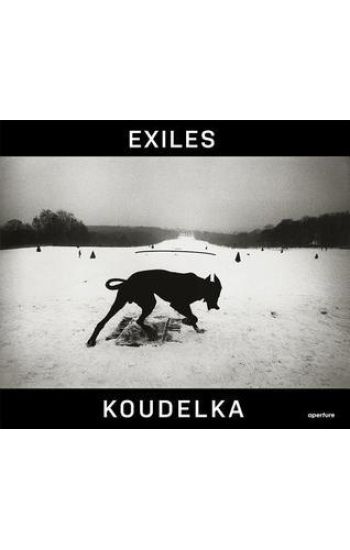
About Exiles, Cornell Capa once wrote, Koudelka's unsentimental, stark, brooding, intensely human imagery reflect his own spirit, the very essence of an exile who is at home wherever his wandering body finds haven in the night. In this newly revised and expanded edition of the 1988 classic, which includes ten new images, Koudelka's work once more forms a powerful document of the spiritual and physical state of exile. The sense of private mystery that fills these photographs mostly taken during Koudelkas many years of wandering through Europe since leaving his native Czechoslovakia in 1968 speaks of passion and reserve, of his rage to see. Solitary, moving, deeply felt, and strangely disturbing, the images in Exiles suggest alienation, disconnection, and love. Exiles, edited and sequenced by Koudelka and Robert Delpire, evokes some of the most com - pelling and troubling themes of the twentieth century, while resonating with equal force in this current moment of profound migrations and transience. This edition also includes new text by Robert Delpire and Josef Kudelka.
The Issa Valley

The Issa Valley

Czeslaw Milosz

PENGUIN BOOKS LTD
2026
pokkari
'Thomas was born in the village of Gine at that time of year when a ripe apple thumps to the ground during an afternoon lull.' So a boy's life begins in a winding river valley on the Polish-Russian border where time is measured by seasonal rhythms and ancient songs. For Thomas, the ghosts in the forest are as real as the magical water-snakes that live in the Issa; in the village he is entranced by the women with their cinched waists and the men in their long boots. But when he is shown a map, he discovers a kingdom all his own and starts to dream of leaving the valley behind.
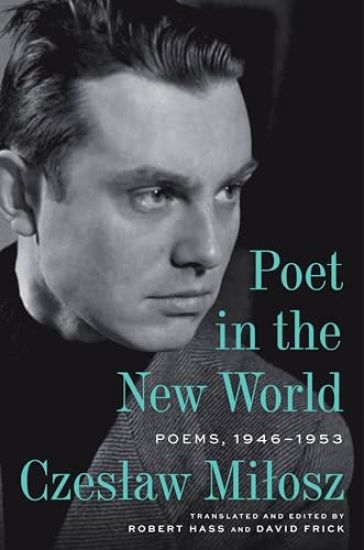
Poet in the New World: Poems, 1946-1953
A new collection of work from Nobel laureate Czeslaw Milosz that includes previously untranslated poems written during his time in Washington, D.C., and his years in Europe before and after One of the most revered poets of the twentieth century, Czeslaw Milosz famously bore witness to its violence in his native Poland and in the war's aftermath from exile in Europe and the United States. Immediately after the war, he lived in Washington, D.C., working as a diplomatic official, having left behind an old world stained by bloodshed and still in the throes of ideological conflict as he sought to find his bearings in a new world. Poet in the New World gathers the poems written during these years--for the first time in English translation--and is contextualized by the poetry that came directly before and after, from poems written in Warsaw in 1945, shortly before he departed for the United States, to others written in Europe from 1951 to 1953, after his significant time away. Capturing Milosz at his existential and stylistic best, Poet in the New World is attuned to the necessity of imagination and the duty of language and is filled with wonder and skepticism. Milosz grapples with the extraordinary violence he had witnessed in Warsaw and the strange postwar United States he has inhabited, all while pondering the enduring fate of his beloved Poland. In the poem "Warsaw," the poet asks, "How can I live in this country/Where the foot knocks against/the unburied bones of kin?" Equal parts affecting and illuminating, Poet in the New World is an essential addition to the Milosz canon, in a beautifully rendered translation by Robert Hass and David Frick, that reverberates with the questions of histories past, present, and future.
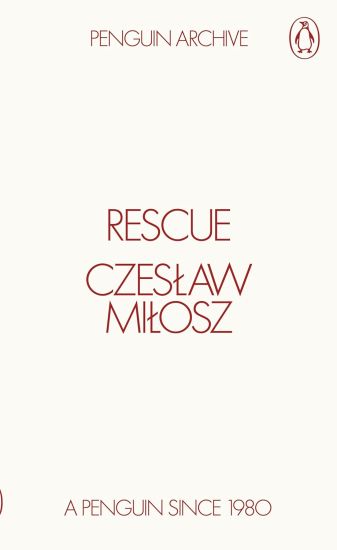
Rescue

Rescue

Czeslaw Milosz

PENGUIN BOOKS LTD
2025
nidottu
90 classic titles celebrating 90 years of Penguin BooksCollecting two of his most celebrated works – Rescue, written in Warsaw in the shadow of Nazi occupation, and A Treatise on Poetry – a momentous history of Poland, told in four cantos – here lie the sharpest fruits of one of the greatest poets of the 20th century: the Nobel Laureate who narrates the rise and fall of nations, who ‘voices man’s exposed condition in a world of severe conflicts’.
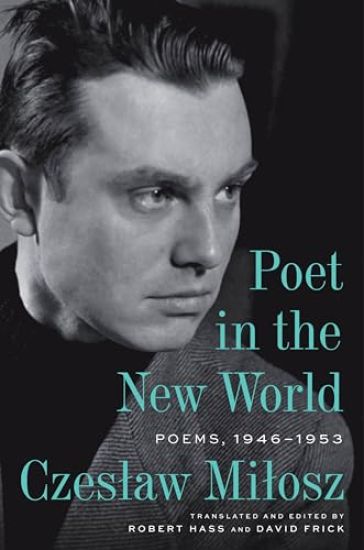
Poet in the New World: Poems, 1946-1953
A new collection of work from Nobel laureate Czeslaw Milosz that includes previously untranslated poems written during his time in Washington, D.C., and his years in Europe before and afterOne of the most revered poets of the twentieth century, Czeslaw Milosz famously bore witness to its violence in his native Poland and in the war's aftermath from exile in Europe and the United States. Immediately after the war, he lived in Washington, D.C., working as a diplomatic official, having left behind an old world stained by bloodshed and still in the throes of ideological conflict as he sought to find his bearings in a new world.Poet in the New World gathers the poems written during these years--for the first time in English translation--and is contextualized by the poetry that came directly before and after, from poems written in Warsaw in 1945, shortly before he departed for the United States, to others written in Europe from 1951 to 1953, after his significant time away. Capturing Milosz at his existential and stylistic best, Poet in the New World is attuned to the necessity of imagination and the duty of language and is filled with wonder and skepticism. Milosz grapples with the extraordinary violence he had witnessed in Warsaw and the strange postwar United States he has inhabited, all while pondering the enduring fate of his beloved Poland. In the poem "Warsaw," the poet asks, "How can I live in this country/Where the foot knocks against/the unburied bones of kin?"Equal parts affecting and illuminating, Poet in the New World is an essential addition to the Milosz canon, in a beautifully rendered translation by Robert Hass and David Frick, that reverberates with the questions of histories past, present, and future.
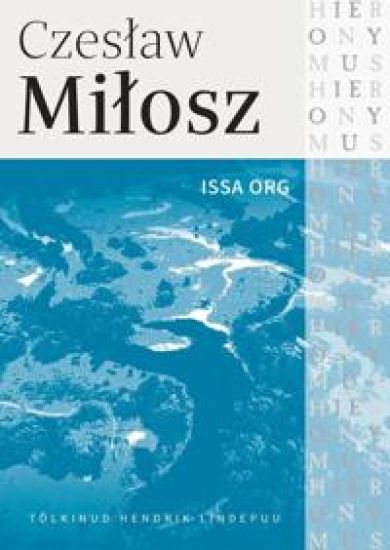
Issa org

Issa org

Czeslaw Milosz

Hendrik lindepuu kirjastus
2024
sidottu
Czeslaw Milosz (Nobeli kirjanduspreemia 1980) on öelnud, et "Issa org" ei ole autobiograafia, aga samas on autobiograafilist ainest selles enam kui küllaga. Peategelane Tomasz on vanaisa Surkonti juures, ilma vanemateta - nii oli ka Milosz ise oma vanaisa mõisas. Enamusel romaanitegelastest on reaalsed prototüübid. Issa-äärne maastik ei ole midagi muud kui Niewiazy jõe (leedu Nevezhis) äärne. Mis on selles siis imelikku, et autor tahab iseendani jõuda läbi lapse temas eneses? "Laps on täiskasvanu isa" kirjutas inglise romantik William Wordsworth oma oodis "Surematuse eelaimus"."Issa org" ei ole lapsepõlve idülliline kujutamine, romaani kirjutas autor sisse juba teda vaevava rahutuse, mille oli andnud täiskasvanu kogemused. Pole siis ka midagi imelikku, et näiline muinasjutt on esimesest leheküljest alates hoopis "maskeeritud teoloogiline traktaat" - nagu seda armastas nimetada Milosz ise (mõnes lõigus on "Issa org" seda küll lausa varjamatult). Tomasz elab vaid näiliselt väljaspool head ja kurja, kindlas liidus ümbritseva maailmaga, aga romaani edenedes ilmub sellesse liitu aina enam mõrasid ning selles mõttes on "Issa org" romaan inimloomusest (nagu on seda iga kirjanduslik suurteos).
Ulro maa

Ulro maa

Czeslaw Milosz

HENDRIK LINDEPUU
2021
sidottu
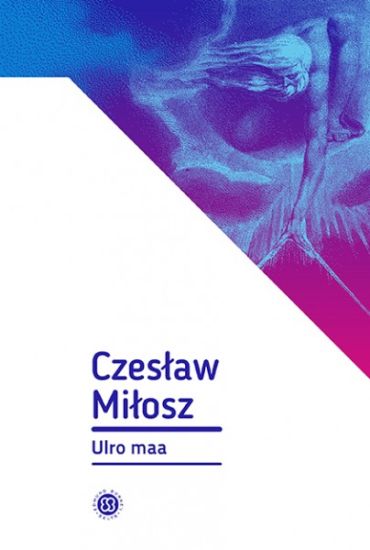
Czeslaw Milosz, 1980. aasta Nobeli kirjanduspreemia laureaat, räägib "Ulro maas" - ühes oma tähtsamas teoses - Mõistuse sajandi põhjustatud muutustest maailmas. Lähemalt on vaatluse alla Fjodor Dostojevski, William Blake'i, Witold Gombrowiczi, Adam Mickiewiczi, Emanuel Swedenborgi, Oskar Miloszi, Johann Wolfgang Goethe ja Samuel Becketti religioosne (või ateistlik) maailmavaade. "Ulro maa" on Miloszi seitsmes raamat eesti keeles, varem on ilmunud: "Vangistatud mõistus" (1999), "Miloszi ABC" (2011), "Teeäärne koerake" (2011), "Sünnimaa Euroopa" (2012), "Valitud luuletused" (2013) ja "Jahimehe aasta" (2018).
Jahimehe aasta

Jahimehe aasta

Czeslaw Milosz

HENDRIK LINDEPUU
2018
sidottu
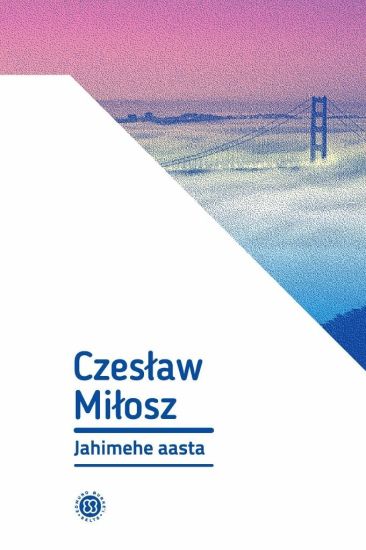
Czeslaw Milosz, 1980. aasta Nobeli kirjanduspreemia laureaat, kirjutas oma päevaraamatut "Jahimehe aasta" Berkeleys, aga samal ajal ka reisis palju, nii Lääne-Euroopas kui mööda Ameerikat. "Jahimehe aasta" on kirja pandud augustist 1987 kuni juulini 1988 ning see on üks Miloszi isiklikumaid ja pihtimuslikumaid teoseid, samas on siingi - nagu näiteks "Sünnimaa Euroopas" ja "Miloszi ABC-s" - enamasti juttu XX sajandi olulistest ajaloosündmustest ja kirjaniku kaasteelistest.
Na beregu reki / Na brzegu rzeki
Poezija Cheslava Milosha (1911-2004), nobelevskogo laureata, odnogo iz klassikov polskoj literatury, kotorogo I.Brodskij nazval svoim "magnitnym polem", uzhe neodnokratno pechatalas v Rossii. Odnako polnostju sbornik "Na beregu reki"(1994) izdaetsja po-russki vpervye. Stikhi, voshedshie v knigu, napisany v perelomnoe dlja starogo poeta vremja - posle poseschenija vpervye za polveka rodnoj Litvy, zakljuchenija vtorogo braka i pereezda iz SSHA v Krakov. Milosh podvodit itogi svoej nasyschennoj sobytijami zhizni, razmyshljaet o tragicheskoj istorii XX veka, o smysle literatury i iskusstva, o stradanii, brennosti, ljubvi, starenii, bytii, Boge, smerti i posmertnoj sudbe cheloveka. Kniga snabzhena kommentarijami, pomogajuschimi vpisat poeziju Milosha v kontekst ego biografii.Perevodchik: Kuznetsov NikitaRedaktor: Poljak O.
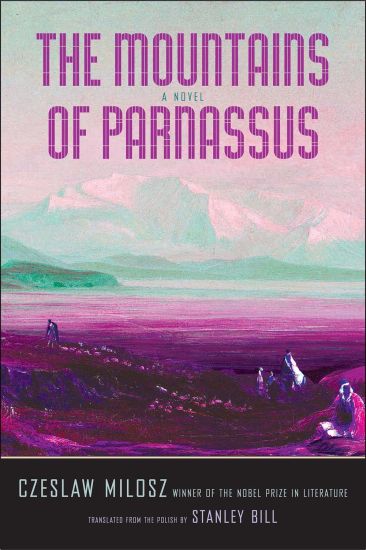
The Mountains of Parnassus

The Mountains of Parnassus

Czeslaw Milosz

Yale University Press
2017
sidottu
The Nobel laureate’s unfinished science fiction novel—available in English for the first time ever Awarded the Nobel Prize in literature in 1980, Czeslaw Milosz was one of the twentieth century’s most esteemed poets and essayists. This outstanding translation of his only hitherto unavailable work is classic Milosz and a necessary companion volume for scholars and general readers seeking a deeper understanding of his themes. Written in the 1970s and published posthumously in Polish in 2012, Milosz’s deliberately unfinished novel is set in a dystopian future where hierarchy, patriarchy, and religion no longer exist. Echoing the structure of The Captive Mind and written in an experimental, postmodern style, Milosz’s sole work of science fiction follows four individuals: Karel, a disaffected young rebel; Lino, an astronaut who abandons his life of privilege; Petro, a cardinal racked with doubt; and Ephraim, a potential prophet in exile.
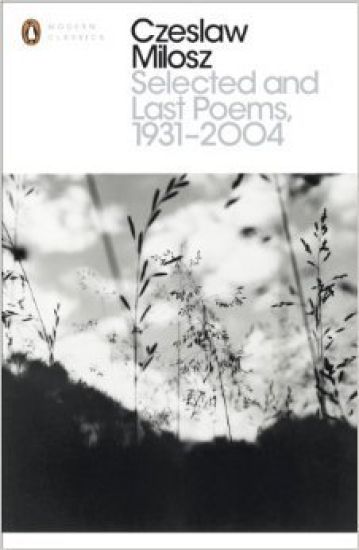
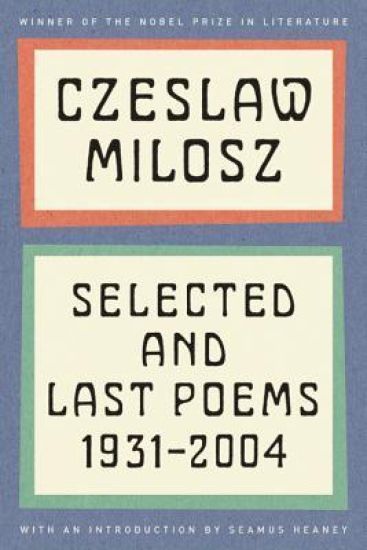
Selected and Last Poems 1931-2004

Selected and Last Poems 1931-2004

Czeslaw Milosz

Penguin Classics
2014
pokkari
The most beautiful and powerful of Milosz's poems from across his writing lifeThis selection brings together the most beautiful and powerful of Czeslaw Milosz's poems, spanning his writing life. In verses such as 'Café' he considers the upheaval, revolutions and two world wars that he had witnessed, while 'My Faithful Mother Tongue' reflects the loyalty he felt to his native Polish language. He also remembers his schooldays in 'The World', and in 'Bypassing Rue Descartes' recalls the Paris streets of his student years, displaying both tenderness and tough-minded fury towards those who shaped his experiences. Writing not about abstract emotions, but about the horrors and beauty that he directly observed, Milosz opens our eyes to the joy-bringing potential of the poetry to which he gave his life. Winner of the Nobel Prize for LiteratureCzeslaw Milosz (1911-2004) won the Nobel Prize for Literature in 1980. Born in Lithuania while it was still part of the Russian Empire, he lived much of his life in Poland or exiled in California. He was the author of one of the definitive books on totalitarianism, The Captive Mind, but also wrote with extraordinary vividness and moral authority on his childhood, his experiences under Nazism and on the tragedy of Central Europe.
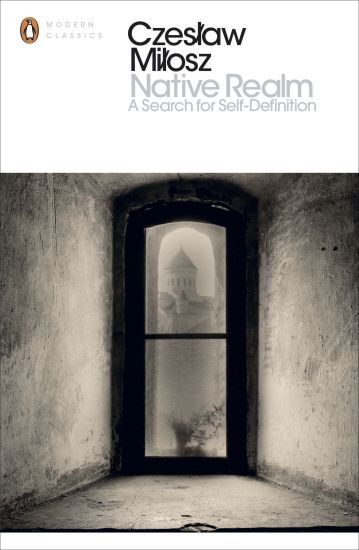
Native Realm

Native Realm

Czeslaw Milosz

Penguin Classics
2014
pokkari
After The Second World War, Czeslaw Milosz was exiled for many years from his home country of Poland. In Native Realm, he evokes that homeland and his years away from it; how it nurtured him and how its divisions and destruction shaped a generation. Exploring such diverse memories as a Soviet officer drinking tea with his little finger sticking out, or two Chinese girls passing, laughing, by a New York subway station, Milosz uses these to both 'bring Europe closer to the Europeans' and to capture the formative moments in his life, from his Catholic education to his time in Paris, all with his distinctive honesty, elegance and self-awareness.Winner of the Nobel Prize for Literature
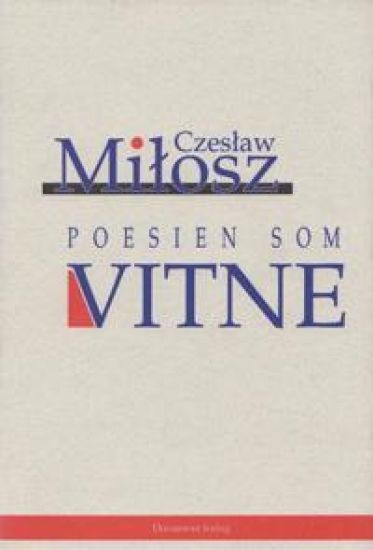
Poesien som vitne

Poesien som vitne

Czeslaw Milosz

Document Forlag
2013
sidottu
Milosz fikk i 1980 Nobelprisen i litteratur. Om denne boken, som er forelesninger han holdt ved Harvard i 1981-82, sier han; "Jeg har kalt denne boken Poesien som Vitne, fordi vi ikke er vitne til den - den er vitne til oss". Boken inneholder i alt 6 kapitler om litteratur, kultur og historie, emner som ikke gjensidig utelukker hverandre, snarer tvert i mot. Her veves de naturlig sammen, med sitater av og henvisninger til kjente og ukjente forfattere.
Selected and Last Poems: 1931-2004

Selected and Last Poems: 1931-2004

Czeslaw Milosz

Ecco Press
2011
nidottu
"One of the century's most important poets."--San Francisco Chronicle"One of the greatest poets of our time, perhaps the greatest."--Joseph Brodsky"Nobody tells the story of this age better than Czeslaw Milosz."--New RepublicCommemorating the centenary year of Nobel Laureate Czeslaw Milosz, Selected and Last Poems 1934 - 2004 is a sterling collection of some of the finest works of one the most revered poets of our time--including more than forty later poems new to this edition and never before published in English. Selected and Last Poems is a perfect introduction for poetry readers who might still be unfamiliar with this literary giant's monumental body of work.
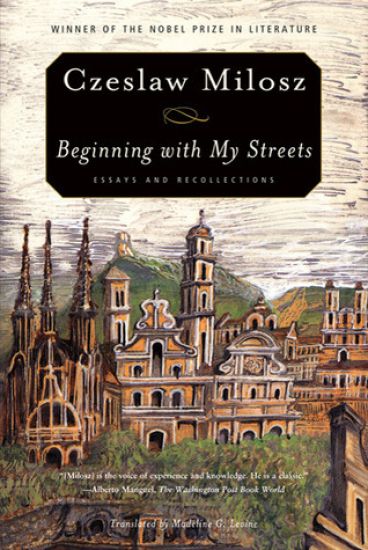
Beginning with My Streets

Beginning with My Streets

Czeslaw Milosz

Farrar, Straus and Giroux
2010
pokkari
Polish Wilno--now Vilnius, in Lithuania--was the city of Czeslaw Milosz's youth and adolescence. In this collection of essays and reminiscences, written over a span of three decades, the Nobel Prize-winning poet traces an informal autobiography againstthe street map of an extraordinary city--a crossroads of languages, cultures, and beliefs--that lies at the very heart of his internal geography. Beginning with My Streets, available for the first time in paperback, gathers portraits of the writers Aleksander Wat, Dwight MacDonald, and Fyodor Dostoevsky, as well as the great Swedish scientist Emanuel Swedenborg; an exchange of letters from the 1950s with the novelist and diarist Witold Gombrowicz; and a selection of speeches delivered between 1967 and 1987, including Milosz's Nobel Lecture. These diffuse reckonings, distinguished throughout by the flavor of personality and the aura of place, have a cumulative power--they are quintessential Milosz.
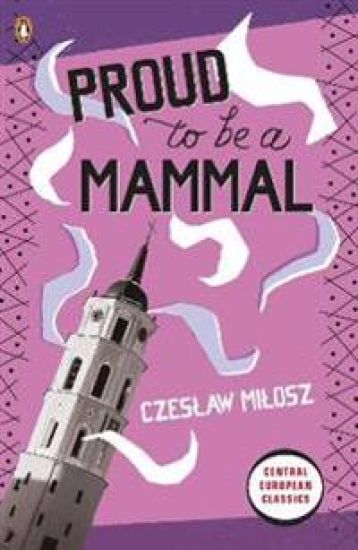
Proud To Be A Mammal

Proud To Be A Mammal

Czeslaw Milosz

Penguin Classics
2010
pokkari
Proud to be a Mammal (1942-97) is Czeslaw Milosz's moving and diverse collection of essays. Among them, he covers his passion for poetry, his love of the Polish language that was so nearly wiped out by the violence of the twentieth century, and his happy childhood. Milosz also includes a letter to his friend in which he voices his concern about the growing indifference to murder and the true value of freedom of thought, as well as a verbal map of Wilno, with each street revealing both a rich local history and intricate, poignant personal memories.
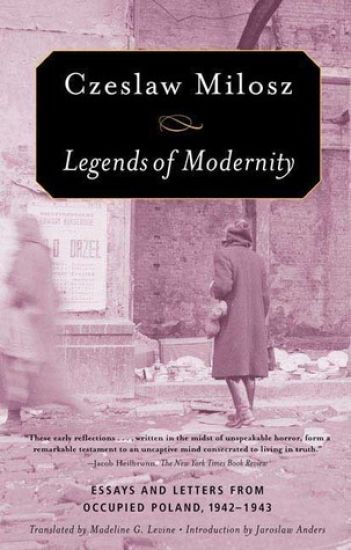
Legends of Modernity: Essays and Letters from Occupied Poland, 1942-1943
Legends of Modernity, now available in English for the first time, brings together some of Czeslaw Milosz's early essays and letters, composed in German-occupied Warsaw during the winter of 1942-43. "Why did the European spirit succumb to such a devastating fiasco?" the young Milosz asks. Half a century later, when Legends of Modernity saw its first publication in Poland, Milosz said: "If everything inside you is agitation, hatred, and despair, write measured, perfectly calm sentences..." While the essays here reflect a "perfect calm," the accompanying contemporaneous exchange of letters between Milosz and Jerzy Andrzejewski express the raw emotions of "agitation, hatred and despair" experienced by these two close friends struggling to understand the proximate causes of this debacle of western civilization, and the relevance, if any, of the teachings of the Catholic church. Passionate, poignant, and compelling, Legends of Modernity is a deeply moving insight into the mind and emotions of one of the greatest writers of our time.
New and Collected Poems 1931-2001

New and Collected Poems 1931-2001

Czeslaw Milosz

Penguin Classics
2006
pokkari
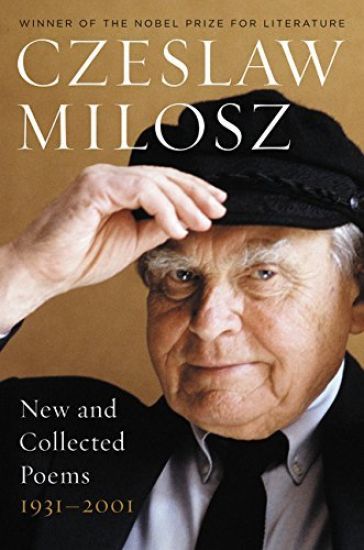
New and Collected Poems: 1931-2001 celebrates seven decades of Czeslaw Milosz's exceptional career. Widely regarded as one of the greatest poets of our time, Milosz is a master of probing inquiry and graceful expression. His poetry is infused with a tireless spirit and penetrating insight into fundamental human dilemmas and the staggering yet simple truth that "to exist on the earth is beyond any power to name."