Kirjailija
Dan Kimball
Kirjat ja teokset yhdessä paikassa: 18 kirjaa, julkaisuja vuosilta 2003-2025, suosituimpien joukossa Analog Christian – Cultivating Contentment, Resilience, and Wisdom in the Digital Age. Vertaile teosten hintoja ja tarkista saatavuus suomalaisista kirjakaupoista.
18 kirjaa
Kirjojen julkaisuhaarukka 2003-2025.
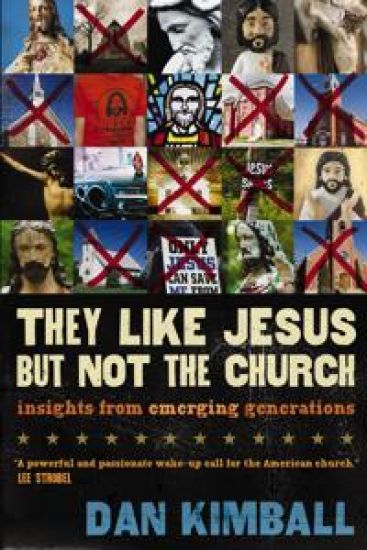
Many people today, especially among emerging generations, don’t resonate with the church and organized Christianity. Some are leaving the church and others were never part of the church in the first place. Sometimes it’s because of misperceptions about the church. Yet often they are still spiritually open and fascinated with Jesus. This is a ministry resource book exploring six of the most common objects and misunderstandings emerging generations have about the church and Christianity. The objections come from conversations and interviews the church has had with unchurched twenty and thirty-somethings at coffee houses. Each chapter raises the objection using a conversational approach, provides the biblical answers to that objection, gives examples of how churches are addressing this objection, and concludes with follow-through projection suggestions, discussion questions, and resource listings.
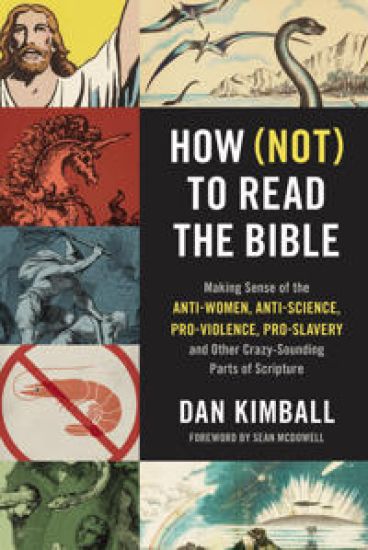
C mo (no) leer la Biblia es una gran ayuda para cualquier persona Cada vez hay m s personas diciendo que la Biblia est desactualizada o que tiene ense anzas que han hecho mal a la humanidad. Esto se debe a que por muchos a os la iglesia ha demandado leerla sin ense ar a comprender lo que se estaba leyendo, abriendo as la puerta no solo a errores de interpretaci n sino al desanimo de muchos. Este es un libro profundo pero f cil de leer con ilustraciones y memes que reflejan las objeciones culturales populares a la palabra de Dios. Adem s de la redacci n del autor tiene comentarios de otro que enriquecen la lectura. C mo (no) leer la Biblia es una gran ayuda para cualquier persona, tanto cristiana como incr dula, que est confundida o desanimada y con preguntas sobre la Biblia. There are more and more people saying that the Bible is outdated or that it has teachings that have done evil to humanity. This is because for many years the church has demanded to read it without teaching how to understand what was being read, thus opening the door not only to errors of interpretation but to the discouragement of many. This is a profound but easy to read book with illustrations and memes that reflect popular cultural objections to the word of God. In addition to the author's writing it has commentary by another that enriches the reading. How (Not) to Read the Bible is a great help for anyone, Christian and unbeliever alike, who is confused or discouraged and with questions about the Bible.
Analog Christian – Cultivating Contentment, Resilience, and Wisdom in the Digital Age
Jay Y. Kim; Dan Kimball
INTERVARSITY PRESS
2022
nidottu
The Gospel Coaltion Award of Distinction—Christian Living Outreach Resource of the Year The digital age is in the business of commodifying our attention. The technologies of our day are determined to keep us scrolling and swiping at all costs, plugged into a feedback loop of impatience, comparison, outrage, and contempt. Blind to the dangers, we enjoy its temporary pleasures, unaware of the damage to our souls. Jay Kim's Analog Church explored the ways the digital age and its values affect the life of the church. In Analog Christian, he asks the same question of Christian discipleship. As the digital age inclines us to discontentment, fragility, and foolishness, how are followers of Jesus to respond? What is the theological basis for living in creative resistance to the forces of our day? How can Christians cultivate the contentment, resilience, and wisdom to not only survive but to thrive as we navigate the specific challenges of our age?
How (Not) to Read the Bible Study Guide plus Streaming Video
Dan Kimball
HarperChristian Resources
2022
nidottu
In this six-session video study (video streaming code included) bestselling author Dan Kimball guides you step-by-step through making sense of the most misunderstood, difficult, and disturbing Bible passages.This study guide has everything you need for a full Bible study experience, including:The study guide itself—with discussion and reflection questions, video notes, and a leader's guide.An individual access code to stream all six video sessions online (you don't need to buy a DVD!).For centuries, the Bible was called "the Good Book," a moral and religious text that guides us into a relationship with God and shows us the right way to live. Today, however, some people argue the Bible is outdated and harmful, with many Christians unaware of some of the odd and disturbing things the Bible says or how to understand them.Whether you're a Christian, a doubter, or someone exploring the Bible for the first time, Dan Kimball is your guide to understanding and contextualizing passages in Scripture that seem backward on topics related to women, science, violence, slavery, and world religions.Filled with stories, visual illustrations, and memes reflecting popular cultural objections, How (Not) to Read the Bible is a lifeline for individuals who are confused or discouraged with questions about the Bible.Sessions include:Never Read a Bible VerseStranger ThingsBoys' Club ChristianityJesus Riding a DinosaurMy God Can Beat Up Your GodRated NC-17This study can be done in youth groups, single's groups, small groups, Sunday classes, and by individuals.*Streaming video access code included. Access code subject to expiration after 12/31/2027. Code may be redeemed only by the recipient of this package. Code may not be transferred or sold separately from this package. Internet connection required. Void where prohibited, taxed, or restricted by law. Additional offer details inside.
In this six-session video study (video streaming code included) bestselling author Dan Kimball guides you step-by-step through making sense of the most misunderstood, difficult, and disturbing Bible passages.This study guide has everything you need for a full Bible study experience, including:The study guide itself—with discussion and reflection questions, video notes, and a leader's guide.An individual access code to stream all six video sessions online.And the physical DVD.For centuries, the Bible was called "the Good Book," a moral and religious text that guides us into a relationship with God and shows us the right way to live. Today, however, some people argue the Bible is outdated and harmful, with many Christians unaware of some of the odd and disturbing things the Bible says or how to understand them.Whether you're a Christian, a doubter, or someone exploring the Bible for the first time, Dan Kimball is your guide to understanding and contextualizing passages in Scripture that seem backward on topics related to women, science, violence, slavery, and world religions.Filled with stories, visual illustrations, and memes reflecting popular cultural objections, How (Not) to Read the Bible is a lifeline for individuals who are confused or discouraged with questions about the Bible.Sessions include:Never Read a Bible VerseStranger ThingsBoys' Club ChristianityJesus Riding a DinosaurMy God Can Beat Up Your GodRated NC-17This study can be done in youth groups, single's groups, small groups, Sunday classes, and by individuals.*Access code subject to expiration after 12/31/2026. Code may be redeemed only by the recipient of this package. Code may not be transferred or sold separately from this package. Internet connection required. Eligible only on retail purchases inside the United States. Void where prohibited, taxed, or restricted by law. Additional offer details inside.
Is Reading the Bible the Fastest Way to Lose Your Faith?For centuries, the Bible was called "the Good Book," a moral and religious text that guides us into a relationship with God and shows us the right way to live. Today, however, some people argue the Bible is outdated and harmful, with many Christians unaware of some of the odd and disturbing things the Bible says.How (Not) to Read the Bible tackles big questions like:Does the Bible degrade women?Is the Bible anti-science?How could a loving God command such violence in the Old Testament?Does the Bible endorse slavery?Bestselling author Dan Kimball guides you step-by-step in how to tackle many of the real questions that people wrestle with when reading the Bible and how to make sense of many of the more difficult and disturbing Bible passages.Filled with fun stories, visual illustrations, and memes reflecting popular cultural objections, How (Not) to Read the Bible is a lifeline for anyone—Christians and doubters alike—who are confused or discouraged with questions about the Bible.Yes, there are puzzling and disturbing Bible passages. . . But there are explanations!
"When two fighters of equal ability and speed are matched . . . there is a greater advantage to the one who knows how to break the rhythm."-Bruce LeeRhythm is a blessing. By rhythm we dance, sing, clap, walk and breathe.Beyond the blessing is the Giver of Rhythm, who sometimes calls us past the patterns and habits we have established for ourselves into new understanding, new risk, new faith, hope and love.In those moments we have to decide where to place our trust: in God or in our precious rhythms.Spoken word poet Amena Brown has made rhythm her life's work. In Breaking Old Rhythms she explores how we discover by rhythm both our God-given limitations and potential, and the ways we limit God's work in our lives. Read this book and be reminded, and encouraged, that while God has rhythm, God is love, and God's love carries us beyond our rhythms into a fuller, more fulfilling life.
Would Jesus Attend Church Today?Among the top ten trends that are changing American life, Time magazine recently listed a rising dissatisfaction with organized religion. Though many people today like Jesus, they are growing tired of traditional religious institutions. Even those who follow Jesus aren't so sure they always like what Christianity and the church represent. For many years, Dan Kimball would have agreed, until an encounter with a small group of Jesus followers started him on a journey that challenged him to rethink everything he had ever assumed about the church.In Adventures in Churchland, Dan invites you to join him as he uncovers what the Bible really says about the church and reminds us that it's more than just an institution; it's a beautiful mess of broken people learning to follow Jesus together. As you journey with Dan, you'll begin to see the church as Jesus intended it to be: a community of forgiven misfits coming together to serve the world around them with passion, creativity, innovation, and grace."If you don’t like the church, or if you’re thinking about leaving, please read this book first. Dan’s stories will make you laugh, make you think, and make you appreciate the church like never before." – Mark Batterson, author of The Circle Maker"Dan encourages us to break through the tension and messiness that church communities inevitably encounter to experience the beauty of being in community and sharing God's infinite love with others." – Zach Lind, drummer, Jimmy Eat World"I am so glad that my friend Dan has written this book, because there is a lot of confusion out there about Jesus and the church." – Wanda Jackson, Queen of Rockabilly and member of the Rock and Roll Hall of Fame
As communicators in a culture saturated with storylines, we have the profound opportunity to invite our students into the masterful Story of God. There are a variety of ways to invite our students into this Story, but this book discusses and explores how to teach through one of Jesus' most powerful modes of communication--fictional storytelling. Rabbinical storytelling (otherwise known as Jewish Agada) embraces the narrative of Scripture and invites its listeners into understanding and participation. Our Rabbi, Jesus, employed this mode of communication through his parables. Approaching the topic as a theologian, philosopher and artist, Jon invites and teaches how to create modern-day parables that illuminate the message of Jesus. These stories do not simply illustrate the message; they are, in fact, the message. Whether hoping to articulate deep theological concepts or relevant topics, teaching through the art of fictional storytelling has the potential to engage and invite our students into The Story. In this book: •You will learn how to create your own fictional stories (modern day parables) that use a realistic setting, engaging characters and a thought provoking plot to communicate a specific topic. •You are given practical worksheets that offer guidance in developing such stories •Jon includes a variety of stories he has developed over his years of youth ministry and offers them as a resource to any youth pastor/communicator. "I found myself wrapped up in its pages and receiving personal learning. It's a rarity in youth ministry as it has the potential of impacting not only youth but also their youth leaders." --Dan Kimball - author of They Like Jesus but Not the Church
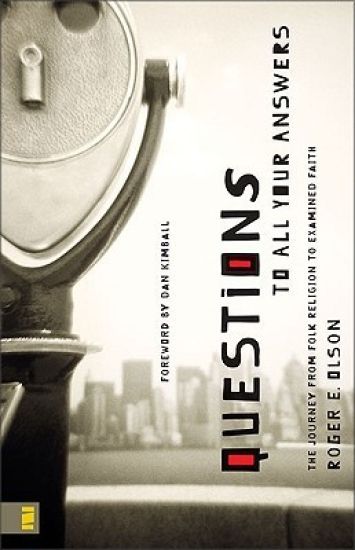
Many Christians’ faith exists as a loose collection of unexamined clichés and slogans borrowed from songs, devotional books, sermon illustrations, and even the internet. Too often this belief system (if it can be called a “system”) lacks coherence and intelligibility; it can hardly be expressed, let alone defended, to others. The problem with folk religion is that it too easily withers under the onslaughts of secularism or seemingly reasonable answers provided by cults and new religions. Christianity has a long tradition of intellectual examination of other faiths and its own beliefs. Socrates said that the unexamined life is not worth living; great Christian minds of all the ages have believed the unexamined faith is not worth believing. Reflective Christianity is Christian faith that has subjected itself to the rigorous questioning of Scripture, tradition, reason, and experience. It is mature Christian faith that goes on believing even as it questions what it believes. The goal of this book is not to destroy anyone’s faith but to build it up by placing it on a firmer foundation of critical examination. Ten popular Christian clichés are subjected to critical inquiry and interrogated to discover whether they contain truth or are in error. In most cases the conclusion is—both. The aim is not to tear down straw men but to demonstrate a path toward stronger, more mature Christian belief.
They Like Jesus but Not the Church Bible Study Participant's Guide
Dan Kimball
HarperChristian Resources
2008
nidottu
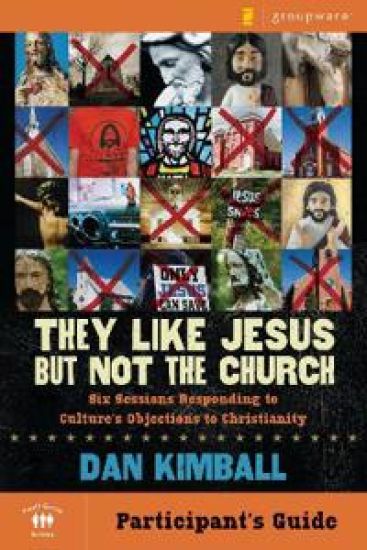
In this six-session small group Bible study, They Like Jesus But Not the Church, Dan Kimball explores and addresses the most common objections and misconceptions about Christianity.Ask someone today if he or she likes Jesus, and the answer is usually yes. But ask if that person likes the church, and chances are you will get a far less favorable response.Led by author Dan Kimball, this six-session small group Bible study will help you explore and respond truthfully, caringly, and engagingly to the most common objections and misunderstandings culture has about the church and Christianity. Through interviews with those who like Jesus but not the church and teaching by Dan Kimball, this small group Bible study will teach you how to respond to the common objections of the faith. Includes discussion questions and resource listings.This Participant Guide is designed for use together with the They Like Jesus But Not the Church DVD (sold separately) and includes discussion questions for individuals and groups. When used together, they provide you with a practical tool than can strengthen your faith.Sessions include: 1. The Danger of the Christian Bubble 2. Is the Church Negative, Judgmental, and Political? 3. Does the Church Restrict and Oppress Women? 4. Is the Church Homophobic? 5. Do Christians Arrogantly Think All Other Religions Are Wrong? 6. Are Christians Fundamentalists Who Take The Whole Bible Literally?
Many people today, especially among emerging generations, don’t resonate with the church and organized Christianity. Some are leaving the church and others were never part of the church in the first place. Sometimes it’s because of misperceptions about the church. Yet often they are still spiritually open and fascinated with Jesus. This is a ministry resource book exploring six of the most common objects and misunderstandings emerging generations have about the church and Christianity. The objections come from conversations and interviews the church has had with unchurched twenty and thirty-somethings at coffee houses. Each chapter raises the objection using a conversational approach, provides the biblical answers to that objection, gives examples of how churches are addressing this objection, and concludes with follow-through projection suggestions, discussion questions, and resource listings.
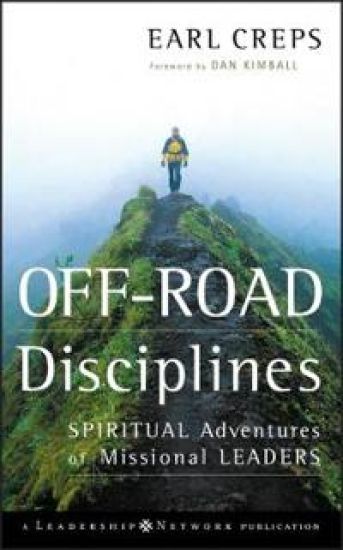
In Off-Road Disciplines, Earl Creps reveals that the on-road practices of prayer and Bible reading should be bolstered by the other kinds of encounters with God that occur unexpectedly—complete with the bumps and bruises that happen when you go “off-road.” Becoming an off-road leader requires the cultivation of certain spiritual disciplines that allow the presence of the Holy Spirit to arrange your interior life. Earl Creps explores twelve central spiritual disciplines—six personal and six organizational—that Christian leaders of all ages and denominations need if they are to change themselves and their churches to reach out to the culture around them.
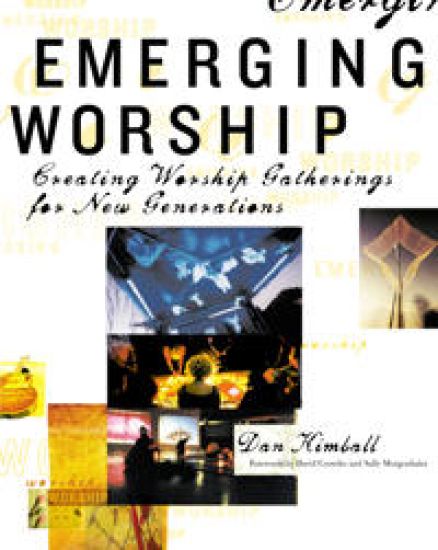
Churches are aging. Even among megachurches with their modern technology and huge number of members, whole generations are now missing. In order to reach the 18-35 year olds, churches need to incorporate alternative worship services into their ministries that meet the unique needs of the emerging generations. In a conversational, narrative style, author Dan Kimball guides church leaders on how to create alternative services from start to finish. Using anecdotes from his own experience at Graceland, Kimball presents six creative models, providing real-life examples of each type. Emerging Worship covers key topics including • Developing a prayer team • Evaluating the local mission field and context • Determining leaders and a vision-based team • Understanding why youth pastors are usually the ideal staff to start a new service • Recognizing the difference in values between emerging worship and the rest of the church • Asking critical questions beforehand
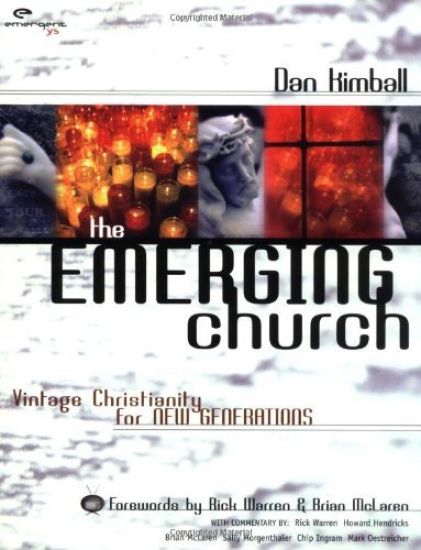
Includes ·Samples and photos of emerging church worship gatherings ·Recommended resources for the emerging church The seeker-sensitive movement revolutionized the way we did church and introduced countless baby boomers to Jesus. Yet trends show that today’s post-Christian generations are not responding like the generations before them. As we enter a new cultural era, what do worship services look like that are connecting with the hearts of emerging generations? How do preaching, leadership, evangelism, spiritual formation, and, most of all, how we even think of “church” need to change? The Emerging Church goes beyond just theory and gets into very practical ways of assisting you in your local church circumstances. There is no one right way, no model for us all to emulate. But there is something better. Dan Kimball calls it “Vintage Christianity”: a refreshing return to an unapologetically sacred, raw, historical, and Jesus-focused missional ministry. Vintage Christianity connects with emerging post-seeker generations who are very open spiritually but are not interested in church. For pastors, leaders, and every concerned Christian, Kimball offers a riveting and easy-to-grasp exploration of today’s changing culture and gives insight into the new kind of churches that are emerging in its midst. Included is running commentary by Rick Warren, Brian McLaren, Howard Hendricks, and others.