Kirjojen hintavertailu. Mukana 12 152 606 kirjaa ja 12 kauppaa.
Kirjailija
Dani Inkpen
Kirjat ja teokset yhdessä paikassa: 4 kirjaa, julkaisuja vuosilta 2023-2024, suosituimpien joukossa Canadian Mountain Assessment. Vertaile teosten hintoja ja tarkista saatavuus suomalaisista kirjakaupoista.
Graham McDowell; Madison Stevens; Shawn Marshall; Eric Higgs; Aerin Jacob; Gùdia Mary Jane Johnson; Linda Johnson; Megan Dicker; Dani Inkpen; Michele Koppes; Keara Lightning; Brenda Parlee; Wanda Pascal; Joseph Shea; Daniel Sims; Niiyokamigaabaw Deondre Smiles; Leon Andrew; Caroline Aubry-Wake; David Borish; Ashley-Anne Churchill; Dawn Saunders Dahl; Goota Desmarais; Karine Gagné; Erika Gavenus; Stephan Gruber; Jiaao Guo; Katherine Hanly; Nina Hewitt; Murray Humphries; Rod Hunter; Lawrence Ignace; Pnnal Bernard Jerome
The Canadian Mountain Assessment provides a first-of-its-kind look at what we know, do not know, and need to know about mountain systems in Canada. The assessment is based on insights from First Nations, Métis, and Inuit knowledges of mountains, as well as findings from an extensive assessment of pertinent academic literature. Its inclusive knowledge co-creation approach brings these multiple forms of evidence together in ways that enhance our collective understanding of mountains in Canada, while also respecting and maintaining the integrity of different knowledge systems.The Canadian Mountain Assessment is a text-based document, but also includes a variety of visual materials as well as access to video recordings of oral knowledges shared by Indigenous individuals from mountain areas in Canada. The assessment is the result of over three years of work, during which time the initiative played an important role in connecting and cultivating relationships between mountain knowledge holders from across Canada. It is the outcome of contributions from more than 80 Indigenous and non-Indigenous individuals and contains six chapters:IntroductionMountain EnvironmentsMountains as HomelandsGifts of the MountainsMountains Under PressureDesirable Mountain FuturesBy way of these chapters, the Canadian Mountain Assessment aims to enhance appreciation for the diversity and significance of mountains in Canada, to clarify challenges and opportunities for mountain systems in the country, and to motivate and inform new research, relationships, and actions that support the realization of desirable mountain futures. More broadly, the Canadian Mountain Assessment provides insights into applied reconciliation efforts in a knowledge assessment context and seeks to inspire similar knowledge co-creation efforts in and beyond Canada.
Graham McDowell; Madison Stevens; Shawn Marshall; Eric Higgs; Aerin Jacob; Gùdia Mary Jane Johnson; Linda Johnson; Megan Dicker; Dani Inkpen; Michele Koppes; Keara Lightning; Brenda Parlee; Wanda Pascal; Joseph Shea; Daniel Sims; Niiyokamigaabaw Deondre Smiles; Leon Andrew; Caroline Aubry-Wake; David Borish; Ashley-Anne Churchill; Dawn Saunders Dahl; Goota Desmarais; Karine Gagné; Erika Gavenus; Stephan Gruber; Jiaao Guo; Katherine Hanly; Nina Hewitt; Murray Humphries; Rod Hunter; Lawrence Ignace; Pnnal Bernard Jerome
The Canadian Mountain Assessment provides a first-of-its-kind look at what we know, do not know, and need to know about mountain systems in Canada. The assessment is based on insights from First Nations, Métis, and Inuit knowledges of mountains, as well as findings from an extensive assessment of pertinent academic literature. Its inclusive knowledge co-creation approach brings these multiple forms of evidence together in ways that enhance our collective understanding of mountains in Canada, while also respecting and maintaining the integrity of different knowledge systems.The Canadian Mountain Assessment is a text-based document, but also includes a variety of visual materials as well as access to video recordings of oral knowledges shared by Indigenous individuals from mountain areas in Canada. The assessment is the result of over three years of work, during which time the initiative played an important role in connecting and cultivating relationships between mountain knowledge holders from across Canada. It is the outcome of contributions from more than 80 Indigenous and non-Indigenous individuals and contains six chapters:IntroductionMountain EnvironmentsMountains as HomelandsGifts of the MountainsMountains Under PressureDesirable Mountain FuturesBy way of these chapters, the Canadian Mountain Assessment aims to enhance appreciation for the diversity and significance of mountains in Canada, to clarify challenges and opportunities for mountain systems in the country, and to motivate and inform new research, relationships, and actions that support the realization of desirable mountain futures. More broadly, the Canadian Mountain Assessment provides insights into applied reconciliation efforts in a knowledge assessment context and seeks to inspire similar knowledge co-creation efforts in and beyond Canada.
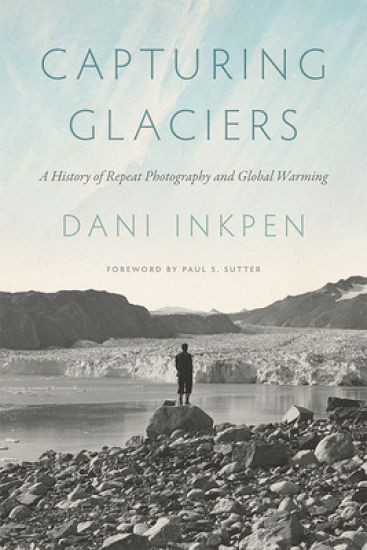
Explores the photography of climate changePhotographs do not simply speak for themselves. Their meanings are built through interpretive frameworks that shift over time. Today, photographs of receding glaciers are one of the most well recognized visualizations of human-caused climate change. These images, captured through repeat photography, have become effective with an unambiguous message: global warming is happening, and it is happening now. But this wasn't always the case. The meaning and evidentiary value of repeat glacier photography has varied over time, reflecting not only evolving scientific norms but also social, cultural, and political influences.In Capturing Glaciers, Dani Inkpen historicizes the use of repeat glacier photographs, examining what they show, what they obscure, and how they influence public understanding of nature and climate change. Though convincing as a form of evidence, these images offer a limited and sometimes misleading representation of glaciers themselves. Furthermore, their use threatens to replicate problematic ideas baked into their history. With clear and compelling writing, Capturing Glaciers ultimately calls for a centering of climate justice and warns of the consequences of reducing the problem of global warming to one of distant wilderness.