Kirjojen hintavertailu. Mukana 12 390 323 kirjaa ja 12 kauppaa.
Kirjailija
Daniel B. Flores
Kirjat ja teokset yhdessä paikassa: 33 kirjaa, julkaisuja vuosilta 2010-2017, suosituimpien joukossa Puerto de Luna: Shadows of the Past. Vertaile teosten hintoja ja tarkista saatavuus suomalaisista kirjakaupoista.
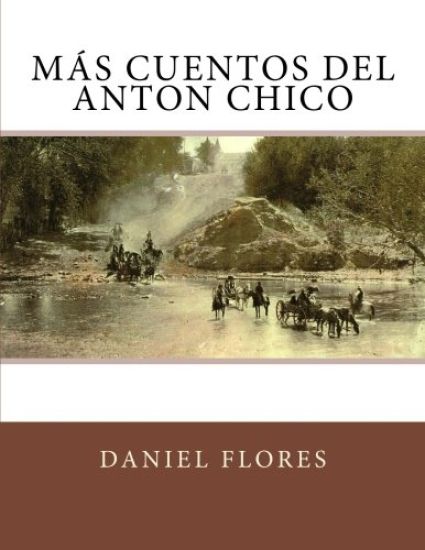
M s Cuentos del Anton Chico is being written as a follow up to Cuentos del Anton Chico. It includes more cuentos, stories or vignettes, about the rich and colorful past of the Anton Chico area. Many of the vignettes include old articles taken from early New Mexico newspapers. At one time there were many Spanish language news papers in the Las Vegas and Santa Fe areas. The style and they used were a lot different, certainly more colorful and descriptive than the language used today. Many of the words and idiomatic experessions used have long since fallen out of use in everyday Spanish. I have decided to incorporate some of those articles in their entirety as they would have lost much of their original local color if they had been translated into English. Bilingualism was and continues to be important. M s Cuentos includes a section on military heroes from Anton Chico. That section includes stories about three soldiers who made the Supreme sacrifice for their country and never returned home. One of them is buried in the Anton Chico cemetery, one in the Santa Fe National Cemetery and the last one was lost at sea when his ship, a Japanese "Hell Ship," was sunk by friendly fire. Photographs of the heroes' mothers, Gold Star mothers, are included. There is also a section on Anton Chico Civil War veterans and a WWI section. The Civil War section includes a table with the names of Anton Chico area veterans from an 1890 special census. The WWI section includes photos of five of the veterans and biographical information about them. There are also an additional five that have biographical information, but no photos. There is also a section on enlaces, weddings, of couples from the Anton Chico area and a defunciones, deaths. The defunciones consists of obituaries that were published in newspapers. There are several biographical sketches of Anton Chico area personages from the last half of the 19th century and the first quarter of the 20trh century. Included are two Catholic priests, John H. Mink, Anders Nelson, Eduardo Martinez, and several others.
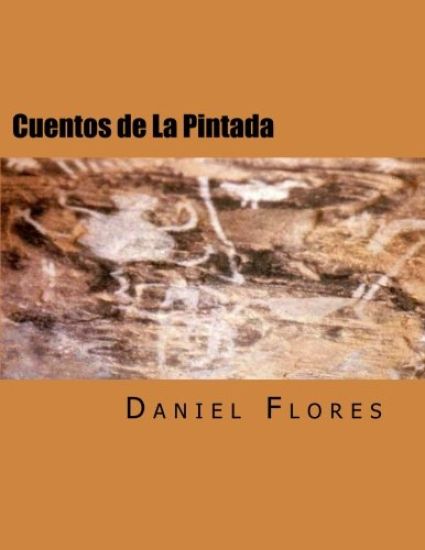
Pintada, known by locals as "La Pintada," is located in the west central part of Guadalupe County, 8 miles south of I-40 and 24 miles west of Santa Rosa, on the north side of Ca on de La Piedra Pintada. During its heyday it had mercantile stores, a saloon, a church, and an elementary school. At one time was a farming and ranching community. Today it remains a ranching community and has also been discovered as a home to retirees. Early maps of the area show it as "El Ca on de la Piedra Pintada," literally the "Canyon of the Painted Rock." The Pintada canyon flows from an area south of Clines Corners towards the Pecos River at Agua Negra, a distance of some sixty miles. The name makes reference to the many Indian petroglyphs that are found among sandstone boulders all along the canyon. Several Pueblo Indian ruins lie in the area. Some of the mounds, the ruins of former Anasazi pueblos, are within the central part of the historic village of Pintada. They are located near where the La Sagrada Familia, Holy Family, Catholic church is located. Cuentos de La Pintada contains a series of cuentos, vignettes, that each tells a story about the rich and colorful past of La Pintada. Photographs are also used to help illustrate the cuentos. Though the main language for Cuentos de La Pintada is English, I have also included several Spanish articles from period newspapers, especially articles about enlaces, marriages, and defunciones, deaths. I believe they are important in helping to describe the local color of the area, especially since the early inhabitants of Pintada were all native Spanish-speakers.
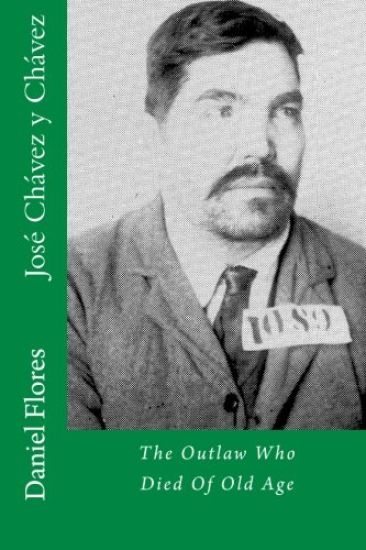
Jos Ch vez y Ch vez is probably one of the most interesting characters of New Mexico's wild and wooly days. He was active in both the Pecos River area of New Mexico and the Rio Grande. His haunts ranged from Lincoln to Las Vegas. He eventually wound up in the western Guadalupe county village of Milagro where he lived out his life. He was a contemporary and friends with two of New Mexico's most notorious outlaws---Billy the Kid and Vicente Silva. He was also known to Pat Garrett and Elfego Baca, two of New Mexico's most famous lawmen. He probably also met and worked with Bob Ford, who had gained his notoriety as the slayer of Jesse James. Ch vez y Ch vez straddled the line between being an outlaw and being a lawman. His activities caught the attention of several governors of the territory of New Mexico beginning with Lew Wallace. Ch vez y Ch vez was a Lincoln county Regulator during the time period the former Civil War general was New Mexico's territorial governor. Governor Miguel Otero refused to sign a death order for him and instead commuted his sentence to life in prison. He was paroled by Governor George Curry in 1909. Born in the early days of the Territory of New Mexico, he died of natural causes in 1923 eleven years after New Mexico became a state. His death was completely unlike the deaths of most other Wild West desperadoes who died with their boots on. He is buried in an unmarked grave in an obscure and forgotten cemetery in the extreme western part of Guadalupe County, just south of Interstate 40. His unusual repetitive surname was a result of his taking both his father's and his mother's surnames. It was a common practice in New Mexico's territorial times to do that to differentiate from others who may have had the same first name and surname. In his case, both Jos and Ch vez are quite common Hispanic, Spanish or Mexican, surnames (very similar to a John Smith with the non-Hispanic culture). Having the surname Ch vez y Ch vez distinguished him from the countless other Nuevo Mexicanos named Jos Ch vez.
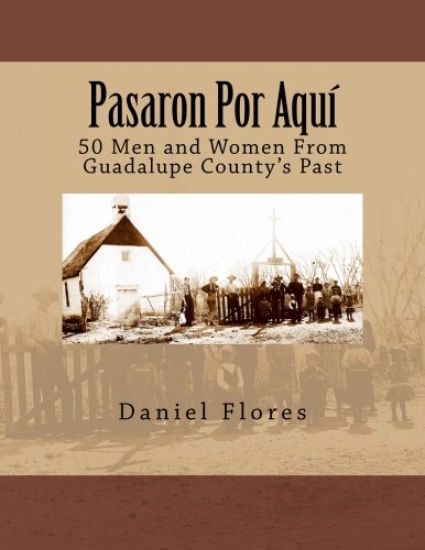
I have chosen the tile Pasaron Por Aqu after the Spanish "pas por aqu " inscription left by Juan de O ate at El Morro National Monument. He carved his message into the side of a cliff when he visited the area in 1605. El Morro, also known as Inscription Rock, is located near Zuni in western New Mexico. Literally translated into English, "pas por aqu " means "he passed through these parts." "Pasaron por aqu " means "they passed through these parts." I have included short vignettes about fifty people who contributed to the rich history and lore of Guadalupe county. Included in Pasaron Por Aqu are the four delegates elected from Guadalupe county to attend the Constitutional Convention of 1910. The delegates of the convention were able to draft a constitution for what was then the Territory of New Mexico. The constitution they drafted led to statehood for New Mexico in 1912. Two individuals who visited the area found themselves in the county through circumstances beyond their control. One of them was Charles Lindbergh, the first aviator to fly solo non-stop across the Atlantic. He was forced to land in Vaughn due to engine trouble. America's folk hero, newspaper columnist and movie actor Will Rogers, who was flying towards California, was forced to land in Vaughn because of severe weather conditions. Other vignettes include a famous outlaw, this one died of old age, and several other political leaders. A Roman Catholic nun who mentored the president of a South American country is included. Some of the vignettes are about early settlers in the area. A railroad magnate who helped build Santa Rosa, though he didn't settle here, is the subject of one of the vignettes. The founder of Santa Rosa, Celso Baca, is included. An area rancher, John Hicks, who was the role model for Owen Wister's classic western novel, The Virginian, is the subject of one of the vignettes. I have also chosen to include Virginia Pino, an elderly woman who I knew as a young boy growing up in Puerto de Luna. She truly represented the pioneer spirit of the early days of Puerto de Luna. There are several omissions from Pasaron Por Aqu . I have chosen to omit the Spanish conquistador Francisco Vasquez de Coronado and his venture through the area in the 1540s. I have also not included Kit Carson and the Navajo Long Walk of the early 1860s. Carson made several jaunts through the area as he escorted Navajo Indians on their way to Bosque Redondo near present-day Fort Sumner. Also omitted is the first American archbishop of New Mexico, Jean-Baptiste Lamy. Lamy made several solo trips into the area in the mid 19th century Pasaron Por Aqu has been alphabetized by surname, though some of the persons included were known only by a nickname. Those are listed alphabetically by their nickname rather than surname.