Kirjojen hintavertailu. Mukana 12 595 353 kirjaa ja 12 kauppaa.
Kirjailija
Daniel Haulman
Kirjat ja teokset yhdessä paikassa: 6 kirjaa, julkaisuja vuosilta 2011-2023, suosituimpien joukossa Tuskegee Airmen Chronology, The. Vertaile teosten hintoja ja tarkista saatavuus suomalaisista kirjakaupoista.
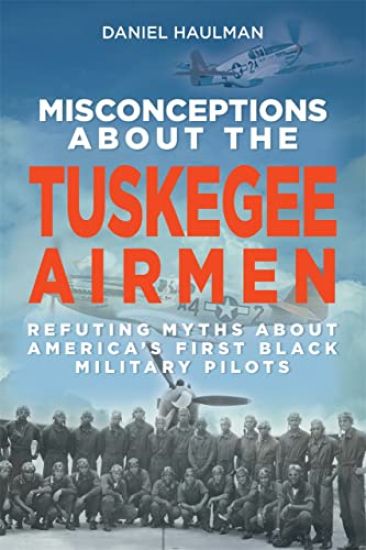
Once an obscure piece of World War II history, the Tuskegee Airmen are now among the most celebrated and documented aviators in military history. With this growth in popularity, however, have come a number of inaccurate stories and assumptions. Misconceptions about the Tuskegee Airmen refutes fifty-five of these myths, correcting the historical record while preserving the Airmen’s rightful reputation as excellent servicemen. The myths examined include: the Tuskegee Airmen never losing a bomber to an enemy aircraft; that Lee Archer was an ace; that Roscoe Brown was the first American pilot to shoot down a German jet; that Charles McGee has the highest total combat missions flown; and that Daniel “Chappie” James was the leader of the “Freeman Field Mutiny.” Historian Daniel Haulman, an expert on the Airmen with many published books on the subject, conclusively disproves these misconceptions through primary documents like monthly histories, daily narrative mission reports, honor-awarding orders, and reports on missing crews, thereby proving that the Airmen were praiseworthy, even without embellishments to their story.
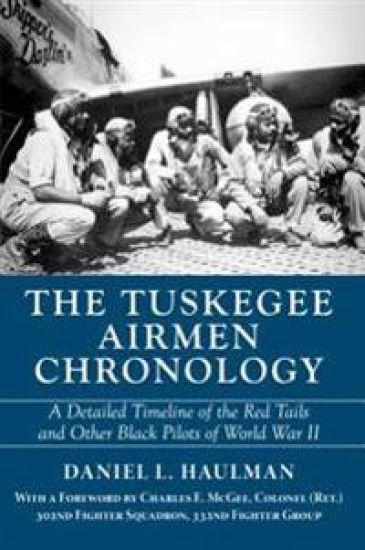
The story of the Tuskegee Airmen, the first African American pilots in American military service, is a complex tapestry with many story threads, such as the training story, the 99th Fighter Squadron story, the 332d Fighter Group Red Tail story, and the 477th Bombardment Group story. One story did not end when another began. The stories unfolded simultaneously. For example, while some Tuskegee Airmen were learning to fly at Tuskegee, others were flying combat missions overseas, while still others were being arrested for resisting segregation at another base. This Tuskegee Airmen Chronology links the stories together, filling a crucial historiographical niche. All the important events in Tuskegee Airmen history are included, such as the graduation of each flying class at Tuskegee Army Air Field, the activation and movement of each Tuskegee Airmen flying unit, the movement to and from each base, the award of each of the 96 Tuskegee Airmen Distinguished Flying Crosses, the achievement of each of the 112 Tuskegee Airmen aerial victories over enemy aircraft, a brief summary of every one of the 312 missions the Tuskegee Airmen flew for the Fifteenth Air Force, all the important Tuskegee Airmen leaders, and when each assumed command of his flying unit, the transition to each new aircraft type, and each Tuskegee Airmen who was shot down, disappeared, was captured, or returned. Readers should find it a unique and valuable tool for understanding and appreciating the varieties of Tuskegee Airmen experience as they distinguished themselves in the air and on the ground and forged new frontiers for equal opportunity.Dr. Dan Haulman the leading authority on the Tuskegee Airmen, a sought-after presenter on the topic. The chronology format is unique and comprehensive; it significantly adds to the published literature about the Airmen. The Tuskegee Airmen Chronology is being released at time of increased interest in Tuskegee Airmen history.The Tuskegee Airmen Chronology: A Detailed Timeline of the Red Tails and Other Black Pilots of World War II provides a unique year-by-year overview of the fascinating story of the Tuskegee Airmen, embracing important events in the formation of the first military training for black pilots in United States history, the phases of their training at various airfields in Tuskegee and elsewhere, their continued training at other bases around the United States, and their deployment overseas, first to North Africa and then to Sicily and Italy. The book is the fifth on the subject by Airmen expert Dr. Daniel Haulman.The Tuskegee Airmen are best known for flying P-47s and red-tailed P-51s to escort B-17 and B-24 bombers deep into enemy territory. Their exemplary performance proved conclusively that given the opportunity and resources black men could fly and fight in combat every bit as well as their white counterparts. They lost fewer bombers than the other fighter groups, and they shot down 112 enemy aircraft.The Tuskegee Airmen Chronology also includes abundant information on the many Tuskegee Airmen who were not fighter pilots, including B-25 bomber crews who trained in the U.S., and the thousands of Tuskegee Airmen who served as ground support. They fought two enemies, Nazis in Europe and racism at home, and through their dedication and efforts earned a hard-won double victory.
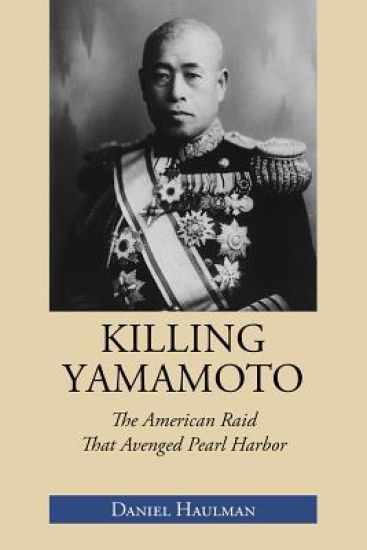
One of the most heroic World War II air raids by US forces was the one that killed Admiral Isoroku Yamamoto, the commander of the Combined Japanese Fleet and the man who planned the Pearl Harbor and Midway attacks in 1941 and 1942. The raid occurred on April 18, 1943, exactly one year after the famous Doolittle raid on Japan, but it accomplished more by eliminating Japan's most important admiral and leading strategist. This account stresses the crucial teamwork and planning, by codebreakers, strategic leaders, and pilots of the US Marine Corps, the US Navy, and the Army Air Corps, which achieved an almost miraculous interception. Those issues outweigh in significance the great controversy that emerged over the question of which of the pilots actually shot down the Yamamoto aircraft.
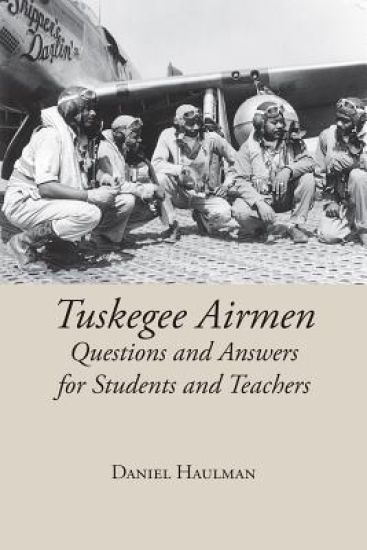
Almost everyone you meet has heard about the Tuskegee Airmen, but surprisingly few can answer with accuracy questions relating to their most important leaders, aircraft, missions, stations, phases of flight training, and unique accomplishments. Some of the Tuskegee Airmen stories in circulation are downright false. This book, designed primarily for students and teachers but also useful for general readers, answers 76 of the most common questions that people ask about the Tuskegee Airmen, enabling readers to separate the facts from the fictions. This short and accurate summary of Tuskegee Airmen history honors the first African American pilots in U.S. military service—pioneers in the continuing struggle for racial equality.
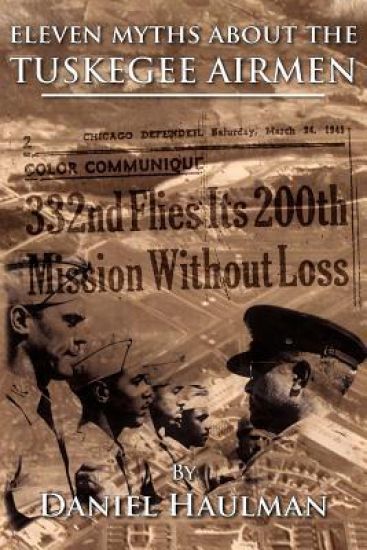
The members of the 332d Fighter Group and the 99th, 100th, 301st, and 302d Fighter Squadrons during World War II are remembered in part because they were the only African American pilots who served in combat with the Army Air Forces during the war. They are more often called the Tuskegee Airmen since they trained at Tuskegee Army Air Field. In the more than sixty years since World War II, several stories have grown up about the Tuskegee Airmen, some of them true and some of them false. This book focuses on eleven myths about the Tuskegee Airmen, throughly researched and debunked by Air Force historian Daniel Haulman, with copious historical documentation and sources to prove Haulman's research.
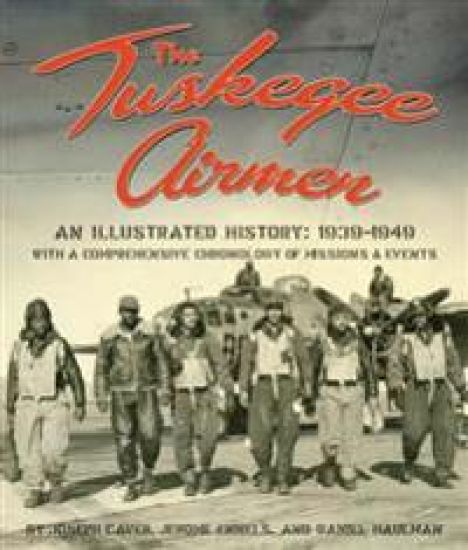
Many documentaries, articles, museum exhibits, books, and movies have now treated the subject of the Tuskegee Airmen, the only black American military pilots in World War II. Most of these works have focused on their training and their subsequent accomplishments during combat. This publication goes further, using captioned photographs to trace the Airmen through the various stages of training, deployment, and combat in North Africa, Italy, and over occupied Europe. Included for the first time are depictions of the critical support roles of non-flyers: doctors, nurses, mechanics, navigators, weathermen, parachute riggers, and others, all of whom contributed to the Airmen’s success. In words and pictures, this volume makes vivid the story of the Tuskegee Airmen and the environments in which they lived, worked, played, fought, and sometimes died.