Kirjojen hintavertailu. Mukana 12 390 323 kirjaa ja 12 kauppaa.

Kirjailija

Daniel J. Wilson

Kirjat ja teokset yhdessä paikassa: 4 kirjaa, julkaisuja vuosilta 1990-2009, suosituimpien joukossa Living with Polio. Vertaile teosten hintoja ja tarkista saatavuus suomalaisista kirjakaupoista.

4 kirjaa

Kirjojen julkaisuhaarukka 1990-2009.

Polio

Polio

Daniel J. Wilson

Greenwood Press
2009
sidottu
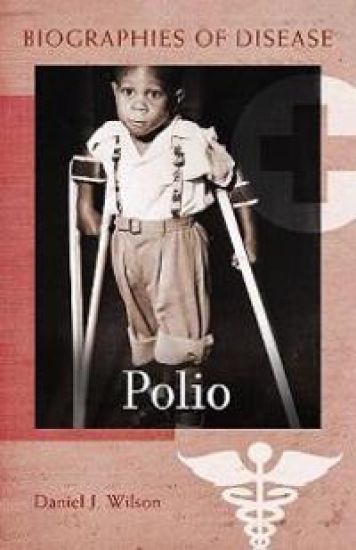
A compelling account of the most feared childhood disease of the 20th century and its impact on victims and medical science.This new title in the Biographies of Disease series offers a thorough examination of medical and scientific efforts to battle polio, from the 19th-century identification of the virus to the great 20th-century epidemics, from the unprecedented campaign to find a vaccine to recent efforts to confront polio in West Africa and South Asia and eliminate it entirely.Beyond the science, Polio looks at the effects of the disease on individuals and the United States as a whole. The book gives readers a sense of what it was like to have polio and to recover from it. It also describes how the search for answers to polio led to the rise of one of America’s premier medical charities—the March of Dimes—and how modern physical therapy practices emerged alongside the polio epidemics of the 20th century.A chronology of key events in the scientific, medical, and social history of polioRarely seen photographs from the archives of the March of Dimes, providing a visual history of treatments for the disease
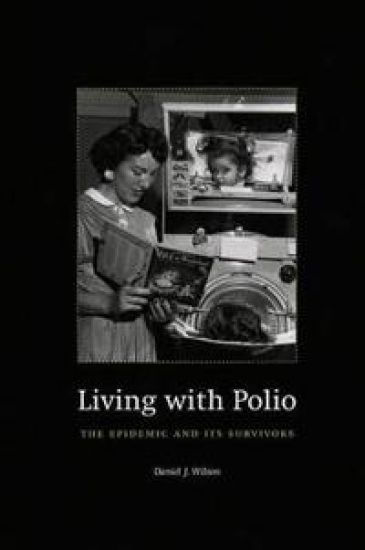
Living with Polio

Living with Polio

Daniel J. Wilson

University of Chicago Press
2007
nidottu
Polio was the most dreaded disease of twentieth-century America. Whenever and wherever it struck, hospitals filled with victims of the virus. Many experienced only temporary paralysis, but others faced a lifetime of disability. "Living with Polio" is the first book to focus primarily on the personal stories of the men and women who had acute polio and lived with its crippling consequences. Writing from his own experience as a polio survivor, Daniel J. Wilson shapes this impassioned book with the testimonials of numerous polio victims, focusing on the years between 1930 and 1960. He traces entire life experiences of the survivors - from their alarming diagnoses all the way to the recent development of post-polio syndrome, a condition in which the symptoms of the disease return two or three decades after they originally surfaced. "Living with Polio" also details each physical and emotional stage of the disease: the loneliness of long separations from family suffered by hospitalized victims; the painful rehabilitation as survivors tried to regain the use of their paralyzed muscles; and the return home and readjustment to school or work with the aid of braces, crutches, or wheelchairs. Poignant and gripping, "Living with Polio" is a compelling history of the enduring physical and psychological experience of polio straight from the rarely heard voices of its survivors.
Living with Polio

Living with Polio

Daniel J. Wilson

University of Chicago Press
2005
sidottu
The personal stories of men and women who had acute polio and lived with its crippling consequences are chronicled in a history of the enduring physical and psychological experiences of the disease.
Science, Community, and the Transformation of American Philosophy, 1860-1930
In the first book-length study of American philosophy at the turn of the century, Daniel J. Wilson traces the formation of philosophy as an academic discipline. Wilson shows how the rise of the natural and physical sciences at the end of the nineteenth century precipitated a "crisis of confidence" among philosophers as to the role of their discipline. Deftly tracing the ways in which philosophers sought to incorporate scientific values and methods into their outlook and to redefine philosophy itself, Wilson moves between close analysis of philosophical texts and consideration of professional careers of illustrative philosophers, such as Charles Sanders Peirce, John Dewey, and Josiah Royce. The author situates the emergence of professional philosophy in the context of the professionalization of American higher education and articulates, in the case of philosophy, the structures and values of a professional discipline. One of the most important consequences of this transformation was a new emphasis on communal theories of truth. Peirce, Dewey, and Royce all developed sophisticated and important theories of community as they were engaged in reshaping and redefining the limits of philosophy. This book will be of great importance for those interested in the history of philosophy, the rise of professions, and American intellectual and educational history, and to all those seeking to understand the contemporary revival of pragmatic thought and theories of community.