Kirjojen hintavertailu. Mukana 12 595 353 kirjaa ja 12 kauppaa.

Kirjailija

Daniel N. Joudrey

Kirjat ja teokset yhdessä paikassa: 6 kirjaa, julkaisuja vuosilta 2015-2025, suosituimpien joukossa The Organization of Information. Vertaile teosten hintoja ja tarkista saatavuus suomalaisista kirjakaupoista.

6 kirjaa

Kirjojen julkaisuhaarukka 2015-2025.

The Organization of Information

The Organization of Information

Daniel N. Joudrey

BLOOMSBURY PUBLISHING PLC
2025
nidottu
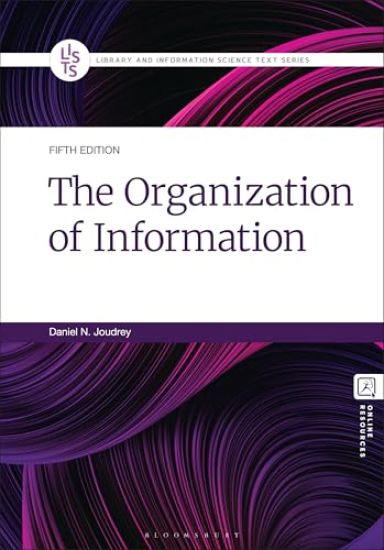
Organizing information is at the heart of the information professions, and the fifth edition of The Organization of Information is a key resource for anyone seeking up-to-date guidance.For millennia, information organization has been central to the functioning of libraries and other information institutions. The fifth edition of The Organization of Information provides a timely, detailed introduction to organizing in a variety of information contexts, including library cataloging, archival description, indexing, museum registration, metadata creation for digital collections, organizing on the web, linked data, and the development of the Semantic Web. Examining how and why information professionals organize information in contemporary libraries, archives, museums, and in a variety of online settings, expert Daniel N. Joudrey addresses the types of retrieval tools used throughout information organizations, the functionality of information systems, and the role and effect of technology on information organization. A discussion of encoding follows, explaining the basics of the MARC format, several XML schemas, and the developing BIBFRAME standard. A section on the principles and functionality of metadata covers metadata types, metadata characteristics, and tools used to manage metadata projects. A timely new chapter on conceptual models and frameworks articulates the visions behind the Library Reference Model (LRM), Records-in-Contexts (RiC), and the Semantic Web, including a discussion of RDF as its underlying structural model. Finally, the latter portion of the book describes practices related to the creation of descriptive metadata. Providing a thorough overview of the field’s major issues, challenges, and standards, The Organization of Information is an essential resource for students in library and information science programs as well as for established professionals who want to refresh their knowledge of the latest developments in the field.
The Organization of Information

The Organization of Information

Daniel N. Joudrey

BLOOMSBURY PUBLISHING PLC
2025
sidottu
Organizing information is at the heart of the information professions, and the fifth edition of The Organization of Information is a key resource for anyone seeking up-to-date guidance.For millennia, information organization has been central to the functioning of libraries and other information institutions. The fifth edition of The Organization of Information provides a timely, detailed introduction to organizing in a variety of information contexts, including library cataloging, archival description, indexing, museum registration, metadata creation for digital collections, organizing on the web, linked data, and the development of the Semantic Web. Examining how and why information professionals organize information in contemporary libraries, archives, museums, and in a variety of online settings, expert Daniel N. Joudrey addresses the types of retrieval tools used throughout information organizations, the functionality of information systems, and the role and effect of technology on information organization. A discussion of encoding follows, explaining the basics of the MARC format, several XML schemas, and the developing BIBFRAME standard. A section on the principles and functionality of metadata covers metadata types, metadata characteristics, and tools used to manage metadata projects. A timely new chapter on conceptual models and frameworks articulates the visions behind the Library Reference Model (LRM), Records-in-Contexts (RiC), and the Semantic Web, including a discussion of RDF as its underlying structural model. Finally, the latter portion of the book describes practices related to the creation of descriptive metadata. Providing a thorough overview of the field’s major issues, challenges, and standards, The Organization of Information is an essential resource for students in library and information science programs as well as for established professionals who want to refresh their knowledge of the latest developments in the field.
The Organization of Information

The Organization of Information

Daniel N. Joudrey; Arlene G. Taylor

Libraries Unlimited Inc
2017
sidottu
This fourth edition provides an updated look at information organization, featuring coverage of the Semantic Web, linked data, and EAC-CPF; new metadata models such as IFLA-LRM and RiC; and new perspectives on RDA and its implementation.This latest edition of The Organization of Information is a key resource for anyone in the beginning stages of their LIS career as well as longstanding professionals and paraprofessionals seeking accurate, clear, and up-to-date guidance on information organization activities across the discipline. The book begins with a historical look at information organization methods, covering libraries, archives, museums, and online settings. It then addresses the types of retrieval tools used throughout the discipline—catalogs, finding aids, indexes, bibliographies, and search engines—before describing the functionality of systems, explaining the basic principles of system design, and defining how they affect information organization. The principles and functionality of metadata is next, with coverage of the types, functions, tools, and models (particularly FRBR, IFLA-LRM, RDF) and how encoding works for use and sharing—for example, MARC, XML schemas, and linked data approaches.The latter portion of the resource describes specific activities related to the creation of metadata for resources. These chapters offer an overview of the major issues, challenges, and standards used in the information professions, addressing topics such as resource description (including standards found in RDA, DACS, and CCO), access points, authority control, subject analysis, controlled vocabularies—notably LCSH, MeSH, Sears, and AAT—and categorization systems such as DDC and LCC.
The Organization of Information

The Organization of Information

Daniel N. Joudrey; Arlene G. Taylor

Libraries Unlimited Inc
2017
nidottu
This fourth edition provides an updated look at information organization, featuring coverage of the Semantic Web, linked data, and EAC-CPF; new metadata models such as IFLA-LRM and RiC; and new perspectives on RDA and its implementation.This latest edition of The Organization of Information is a key resource for anyone in the beginning stages of their LIS career as well as longstanding professionals and paraprofessionals seeking accurate, clear, and up-to-date guidance on information organization activities across the discipline. The book begins with a historical look at information organization methods, covering libraries, archives, museums, and online settings. It then addresses the types of retrieval tools used throughout the discipline—catalogs, finding aids, indexes, bibliographies, and search engines—before describing the functionality of systems, explaining the basic principles of system design, and defining how they affect information organization. The principles and functionality of metadata is next, with coverage of the types, functions, tools, and models (particularly FRBR, IFLA-LRM, RDF) and how encoding works for use and sharing—for example, MARC, XML schemas, and linked data approaches.The latter portion of the resource describes specific activities related to the creation of metadata for resources. These chapters offer an overview of the major issues, challenges, and standards used in the information professions, addressing topics such as resource description (including standards found in RDA, DACS, and CCO), access points, authority control, subject analysis, controlled vocabularies—notably LCSH, MeSH, Sears, and AAT—and categorization systems such as DDC and LCC.
Introduction to Cataloging and Classification

Introduction to Cataloging and Classification

Daniel N. Joudrey; Arlene G. Taylor; David P. Miller

Libraries Unlimited Inc
2015
nidottu
A new edition of this best-selling textbook reintroduces the topic of library cataloging from a fresh, modern perspective.Not many books merit an eleventh edition, but this popular text does. Newly updated, Introduction to Cataloging and Classification provides an introduction to descriptive cataloging based on contemporary standards, explaining the basic tenets to readers without previous experience, as well as to those who merely want a better understanding of the process as it exists today. The text opens with the foundations of cataloging, then moves to specific details and subject matter such as Functional Requirements for Bibliographic Records (FRBR), Functional Requirements for Authority Data (FRAD), the International Cataloging Principles (ICP), and RDA. Unlike other texts, the book doesn't presume a close familiarity with the MARC bibliographic or authorities formats; ALA's Anglo-American Cataloging Rules, 2nd Edition, revised (AACR2R); or the International Standard Bibliographic Description (ISBD). Subject access to library materials is covered in sufficient depth to make the reader comfortable with the principles and practices of subject cataloging and classification. In addition, the book introduces MARC, BIBFRAME, and other approaches used to communicate and display bibliographic data. Discussions of formatting, presentation, and administrative issues complete the book; questions useful for review and study appear at the end of each chapter.
Introduction to Cataloging and Classification

Introduction to Cataloging and Classification

Daniel N. Joudrey; Arlene G. Taylor; David P. Miller

Libraries Unlimited Inc
2015
sidottu
A new edition of this best-selling textbook reintroduces the topic of library cataloging from a fresh, modern perspective.Not many books merit an eleventh edition, but this popular text does. Newly updated, Introduction to Cataloging and Classification provides an introduction to descriptive cataloging based on contemporary standards, explaining the basic tenets to readers without previous experience, as well as to those who merely want a better understanding of the process as it exists today. The text opens with the foundations of cataloging, then moves to specific details and subject matter such as Functional Requirements for Bibliographic Records (FRBR), Functional Requirements for Authority Data (FRAD), the International Cataloging Principles (ICP), and RDA. Unlike other texts, the book doesn't presume a close familiarity with the MARC bibliographic or authorities formats; ALA's Anglo-American Cataloging Rules, 2nd Edition, revised (AACR2R); or the International Standard Bibliographic Description (ISBD). Subject access to library materials is covered in sufficient depth to make the reader comfortable with the principles and practices of subject cataloging and classification. In addition, the book introduces MARC, BIBFRAME, and other approaches used to communicate and display bibliographic data. Discussions of formatting, presentation, and administrative issues complete the book; questions useful for review and study appear at the end of each chapter.