Kirjojen hintavertailu. Mukana 12 595 353 kirjaa ja 12 kauppaa.

Kirjailija

Daniel Widener

Kirjat ja teokset yhdessä paikassa: 4 kirjaa, julkaisuja vuosilta 2010-2024, suosituimpien joukossa Third Worlds Within. Vertaile teosten hintoja ja tarkista saatavuus suomalaisista kirjakaupoista.

4 kirjaa

Kirjojen julkaisuhaarukka 2010-2024.

Third Worlds Within

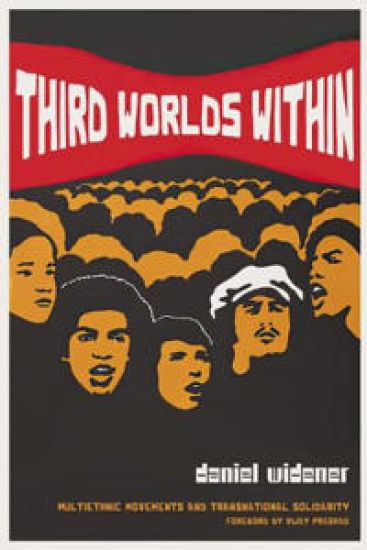
Third Worlds Within

Daniel Widener; Vijay Prashad

DUKE UNIVERSITY PRESS
2024
sidottu
In Third Worlds Within, Daniel Widener expands conceptions of the struggle for racial justice by reframing antiracist movements in the United States in a broader internationalist context. For Widener, antiracist struggles at home are connected to and profoundly shaped by similar struggles abroad. Drawing from an expansive historical archive and his own activist and family history, Widener explores the links between local and global struggles throughout the twentieth and twenty-first centuries. He uncovers what connects seemingly disparate groups like Japanese American and Black communities in Southern California or American folk musicians and revolutionary movements in Asia. He also centers the expansive vision of global Indigenous movements, the challenges of Black/Brown solidarity, and the influence of East Asian organizing on the US Third World Left. In the process, Widener reveals how the fight against racism unfolds both locally and globally and creates new forms of solidarity. Highlighting the key strategic role played by US communities of color in efforts to defeat the conjoined forces of capitalism, racism, and imperialism, Widener produces a new understanding of history that informs contemporary social struggle.
Third Worlds Within

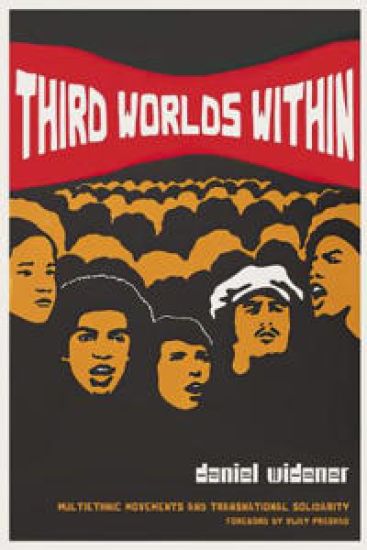
Third Worlds Within

Daniel Widener; Vijay Prashad

DUKE UNIVERSITY PRESS
2024
pokkari
In Third Worlds Within, Daniel Widener expands conceptions of the struggle for racial justice by reframing antiracist movements in the United States in a broader internationalist context. For Widener, antiracist struggles at home are connected to and profoundly shaped by similar struggles abroad. Drawing from an expansive historical archive and his own activist and family history, Widener explores the links between local and global struggles throughout the twentieth and twenty-first centuries. He uncovers what connects seemingly disparate groups like Japanese American and Black communities in Southern California or American folk musicians and revolutionary movements in Asia. He also centers the expansive vision of global Indigenous movements, the challenges of Black/Brown solidarity, and the influence of East Asian organizing on the US Third World Left. In the process, Widener reveals how the fight against racism unfolds both locally and globally and creates new forms of solidarity. Highlighting the key strategic role played by US communities of color in efforts to defeat the conjoined forces of capitalism, racism, and imperialism, Widener produces a new understanding of history that informs contemporary social struggle.
Black Arts West

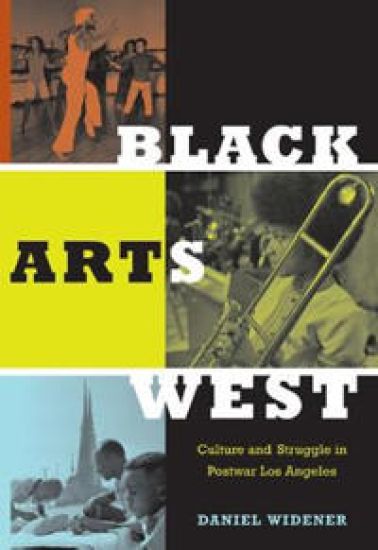
Black Arts West

Daniel Widener

Duke University Press
2010
pokkari
From postwar efforts to end discrimination in the motion-picture industry, recording studios, and musicians’ unions, through the development of community-based arts organizations, to the creation of searing films critiquing conditions in the black working class neighborhoods of a city touting its multiculturalism-Black Arts West documents the social and political significance of African American arts activity in Los Angeles between the Second World War and the riots of 1992. Focusing on the lives and work of black writers, visual artists, musicians, and filmmakers, Daniel Widener tells how black cultural politics changed over time, and how altered political realities generated new forms of artistic and cultural expression. His narrative is filled with figures invested in the politics of black art and culture in postwar Los Angeles, including not only African American artists but also black nationalists, affluent liberal whites, elected officials, and federal bureaucrats. Along with the politicization of black culture, Widener explores the rise of a distinctive regional Black Arts Movement. Originating in the efforts of wartime cultural activists, the movement was rooted in the black working class and characterized by struggles for artistic autonomy and improved living and working conditions for local black artists. As new ideas concerning art, racial identity, and the institutional position of African American artists emerged, dozens of new collectives appeared, from the Watts Writers Workshop, to the Inner City Cultural Center, to the New Art Jazz Ensemble. Spread across generations of artists, the Black Arts Movement in Southern California was more than the artistic affiliate of the local civil-rights or black-power efforts: it was a social movement itself. Illuminating the fundamental connections between expressive culture and political struggle, Black Arts West is a major contribution to the histories of Los Angeles, black radicalism, and avant-garde art.
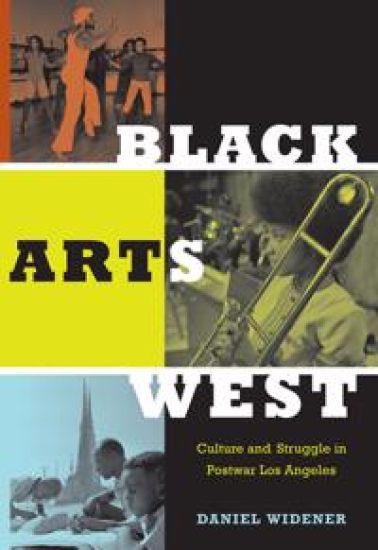
Black Arts West

Black Arts West

Daniel Widener

Duke University Press
2010
sidottu
From postwar efforts to end discrimination in the motion-picture industry, recording studios, and musicians’ unions, through the development of community-based arts organizations, to the creation of searing films critiquing conditions in the black working class neighborhoods of a city touting its multiculturalism-Black Arts West documents the social and political significance of African American arts activity in Los Angeles between the Second World War and the riots of 1992. Focusing on the lives and work of black writers, visual artists, musicians, and filmmakers, Daniel Widener tells how black cultural politics changed over time, and how altered political realities generated new forms of artistic and cultural expression. His narrative is filled with figures invested in the politics of black art and culture in postwar Los Angeles, including not only African American artists but also black nationalists, affluent liberal whites, elected officials, and federal bureaucrats. Along with the politicization of black culture, Widener explores the rise of a distinctive regional Black Arts Movement. Originating in the efforts of wartime cultural activists, the movement was rooted in the black working class and characterized by struggles for artistic autonomy and improved living and working conditions for local black artists. As new ideas concerning art, racial identity, and the institutional position of African American artists emerged, dozens of new collectives appeared, from the Watts Writers Workshop, to the Inner City Cultural Center, to the New Art Jazz Ensemble. Spread across generations of artists, the Black Arts Movement in Southern California was more than the artistic affiliate of the local civil-rights or black-power efforts: it was a social movement itself. Illuminating the fundamental connections between expressive culture and political struggle, Black Arts West is a major contribution to the histories of Los Angeles, black radicalism, and avant-garde art.