Kirjojen hintavertailu. Mukana 12 595 353 kirjaa ja 12 kauppaa.

Kirjailija

Daniela Bevilacqua

Kirjat ja teokset yhdessä paikassa: 4 kirjaa, julkaisuja vuosilta 2018-2024, suosituimpien joukossa From Tapas to Modern Yoga. Vertaile teosten hintoja ja tarkista saatavuus suomalaisista kirjakaupoista.

4 kirjaa

Kirjojen julkaisuhaarukka 2018-2024.

From Tapas to Modern Yoga

From Tapas to Modern Yoga

Daniela Bevilacqua

EQUINOX PUBLISHING LTD
2024
sidottu
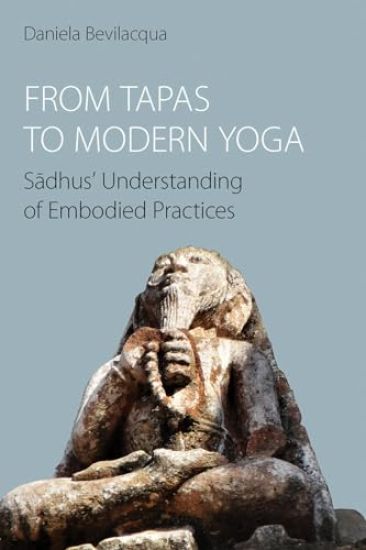
Extensively based on fieldwork material, From Tapas to Modern Yoga primarily analyses embodied practices of ascetics belonging to four religious orders historically associated with the practice of yoga and hatha yoga. This focus on ascetics stems from the fact that yogic techniques probably developed in ascetic contexts, yet scholars have rarely focused their attention on non-international ascetic practitioners of yoga. Creating a confrontation between textual sources and ethnographic data, the book demonstrates how 'embodied practices' (austerities, yoga and hatha yoga) over the centuries accumulated layers of meanings and practices that coexist in the literature as well as in the words of contemporary sadhus. Drawing from conversations with these interlocutors, the book demonstrates the importance of ethnographic fieldwork in shedding light on past historical developments, transmissions, contemporary reinterpretation and innovation. The strength of the work lies in its methodological approach and in the richness of its materials: by analysing present situations through comparisons and the support of past evidence, the book not only fills an academic gap but also stimulates further research on this highly complex topic.
From Tapas to Modern Yoga

From Tapas to Modern Yoga

Daniela Bevilacqua

EQUINOX PUBLISHING LTD
2024
pokkari
Extensively based on fieldwork material, From Tapas to Modern Yoga primarily analyses embodied practices of ascetics belonging to four religious orders historically associated with the practice of yoga and hatha yoga. This focus on ascetics stems from the fact that yogic techniques probably developed in ascetic contexts, yet scholars have rarely focused their attention on non-international ascetic practitioners of yoga. Creating a confrontation between textual sources and ethnographic data, the book demonstrates how 'embodied practices' (austerities, yoga and hatha yoga) over the centuries accumulated layers of meanings and practices that coexist in the literature as well as in the words of contemporary sadhus. Drawing from conversations with these interlocutors, the book demonstrates the importance of ethnographic fieldwork in shedding light on past historical developments, transmissions, contemporary reinterpretation and innovation. The strength of the work lies in its methodological approach and in the richness of its materials: by analysing present situations through comparisons and the support of past evidence, the book not only fills an academic gap but also stimulates further research on this highly complex topic.
Modern Hindu Traditionalism in Contemporary India
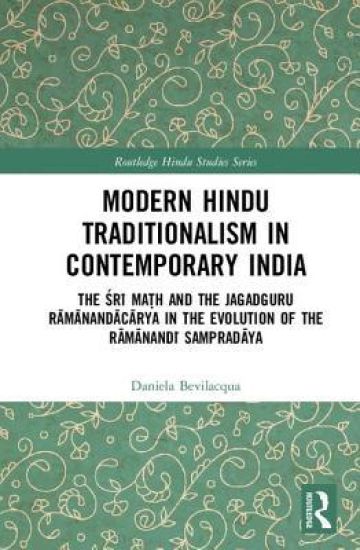
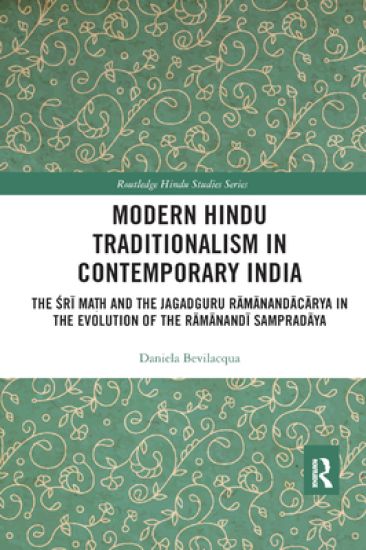
Modern Hindu Traditionalism addresses Hindu traditions that resisted contact with both Neo-Hindu thought and views of “classical” Hinduism perceived to be outmoded.This book provides an in-depth understanding of Modern Hindu Traditionalism through the case study of the Ramanandi order (sampradaya) and the portrait of the Jagadguru Ramanandacarya Ramnaresacarya. This guru belongs to the ancient tradition of the Ramanandi order, which is active at the present time and the biggest Vai??ava religious order in Northern India. Analyzing the historical evolution of the Ramanandi order, the author shows how different centers have undergone different changes over the centuries, and focuses on the independence struggle of a group of Ramanandis from the Ramanujis, which led to the creation of the role of Jagadguru Ramanandacarya and the construction of the Sri Ma?h. Drawing on extensive fieldwork, this book casts light on figures and processes central to the development of Hinduism in the twentieth and twenty-first century and consequently describes the role of religion in contemporary Indian society. The author examines the role religious institutions and their leaders have in the everyday life of individuals, how they interact with and in the society, and how they approach and interpret social and political issues. The Ramanandis’ use of new methods of communication, in particular social media, is an innovative part of the study.A welcome innovation in the studies of South Asian religion, this book will be of interest to historians, anthropologists, and scholars of Hinduism and religion and politics.
Modern Hindu Traditionalism in Contemporary India
Modern Hindu Traditionalism addresses Hindu traditions that resisted contact with both Neo-Hindu thought and views of “classical” Hinduism perceived to be outmoded.This book provides an in-depth understanding of Modern Hindu Traditionalism through the case study of the Ramanandi order (sampradaya) and the portrait of the Jagadguru Ramanandacarya Ramnaresacarya. This guru belongs to the ancient tradition of the Ramanandi order, which is active at the present time and the biggest Vai??ava religious order in Northern India. Analyzing the historical evolution of the Ramanandi order, the author shows how different centers have undergone different changes over the centuries, and focuses on the independence struggle of a group of Ramanandis from the Ramanujis, which led to the creation of the role of Jagadguru Ramanandacarya and the construction of the Sri Ma?h. Drawing on extensive fieldwork, this book casts light on figures and processes central to the development of Hinduism in the twentieth and twenty-first century and consequently describes the role of religion in contemporary Indian society. The author examines the role religious institutions and their leaders have in the everyday life of individuals, how they interact with and in the society, and how they approach and interpret social and political issues. The Ramanandis’ use of new methods of communication, in particular social media, is an innovative part of the study.A welcome innovation in the studies of South Asian religion, this book will be of interest to historians, anthropologists, and scholars of Hinduism and religion and politics.