
Kirjojen hintavertailu. Mukana 12 390 323 kirjaa ja 12 kauppaa.

Kirjailija

Darren Haber

Kirjat ja teokset yhdessä paikassa: 4 kirjaa, julkaisuja vuosilta 2022-2026, suosituimpien joukossa Dissociation, Compulsion, and Language Games in Psychoanalysis. Vertaile teosten hintoja ja tarkista saatavuus suomalaisista kirjakaupoista.

4 kirjaa

Kirjojen julkaisuhaarukka 2022-2026.

Dissociation, Compulsion, and Language Games in Psychoanalysis
Dissociation, Compulsion, and Language Games in Psychoanalysis investigates the strangely underexplored topic of the phenomenology of language in psychoanalytic dialogue—as impacted by trauma, addiction, and other compulsive aversions. Drawing on the long tradition of phenomenology and exploration of the importance of language in philosophy as well as the author's extensive clinical experience, the book explores how language acts as the interface of human connection and how without really understanding what it is and how it functions, true communication and connection cannot be achieved. The author looks at how we can use the concept of family resemblance in the way we use words to come to an understanding of each other, so that even if we don't use language in exactly the same way, we can find common ground that let's us understand and empathise with each other. With rich clinical vignettes and a fresh new application of philosophical ideas, this is key reading for all psychoanalysts and psychotherapists.
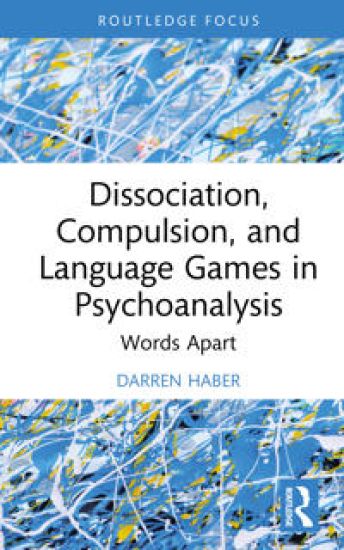
Dissociation, Compulsion, and Language Games in Psychoanalysis
Dissociation, Compulsion, and Language Games in Psychoanalysis investigates the strangely underexplored topic of the phenomenology of language in psychoanalytic dialogue—as impacted by trauma, addiction, and other compulsive aversions. Drawing on the long tradition of phenomenology and exploration of the importance of language in philosophy as well as the author's extensive clinical experience, the book explores how language acts as the interface of human connection and how without really understanding what it is and how it functions, true communication and connection cannot be achieved. The author looks at how we can use the concept of family resemblance in the way we use words to come to an understanding of each other, so that even if we don't use language in exactly the same way, we can find common ground that let's us understand and empathise with each other. With rich clinical vignettes and a fresh new application of philosophical ideas, this is key reading for all psychoanalysts and psychotherapists.
Addiction, Accommodation, and Vulnerability in Psychoanalysis
This book explores the compulsions and trauma that underlie addiction, using an intersubjective approach in seeking to understand the inspirations and challenges arising from the psychoanalytic treatment of addiction, compulsivity, and related dissociative conditions.Drawing on insights from his own analytic practice and personal experience, in addition to the work of Stolorow, Brandchaft and Winnicott, among others, Haber considers the complex ways in which addiction becomes woven into a person’s life, and analyses how it interacts with other problems such as depression and anxiety, self-fragmentation, and ambivalence about treatment. Haber creatively integrates the work of Camus, Kafka, and Beckett to further contemplate the dilemmas that can arise during the clinical process and, in identifying his own and his patients’ vulnerabilities and contradictions, provides an honest, humorous and sometimes painful account of what happens in the consulting room. With its use of rich clinical material and an accessible and vivid writing style, this book will appeal to all psychoanalysts and psychotherapists working with patients affected by addiction, as well as other professionals seeking new insights into effective strategies for treating this most challenging malady.
Addiction, Accommodation, and Vulnerability in Psychoanalysis
This book explores the compulsions and trauma that underlie addiction, using an intersubjective approach in seeking to understand the inspirations and challenges arising from the psychoanalytic treatment of addiction, compulsivity, and related dissociative conditions.Drawing on insights from his own analytic practice and personal experience, in addition to the work of Stolorow, Brandchaft and Winnicott, among others, Haber considers the complex ways in which addiction becomes woven into a person’s life, and analyses how it interacts with other problems such as depression and anxiety, self-fragmentation, and ambivalence about treatment. Haber creatively integrates the work of Camus, Kafka, and Beckett to further contemplate the dilemmas that can arise during the clinical process and, in identifying his own and his patients’ vulnerabilities and contradictions, provides an honest, humorous and sometimes painful account of what happens in the consulting room. With its use of rich clinical material and an accessible and vivid writing style, this book will appeal to all psychoanalysts and psychotherapists working with patients affected by addiction, as well as other professionals seeking new insights into effective strategies for treating this most challenging malady.