Kirjojen hintavertailu. Mukana 12 390 323 kirjaa ja 12 kauppaa.
Kirjailija
David A. Lane
Kirjat ja teokset yhdessä paikassa: 12 kirjaa, julkaisuja vuosilta 2006-2025, suosituimpien joukossa Hawkmoths of Australia. Vertaile teosten hintoja ja tarkista saatavuus suomalaisista kirjakaupoista.
Lane, Corrie and Kovács present a foundational text for coaches wishing to improve their coaching practice through use of formulation.A Guide to Formulation in Coaching examines the nature and purpose of formulation and how to develop effective formulations that can inform and improve practice. It combines theoretical perspectives with case studies illustrating its use in different coaching contexts to provide a comprehensive and accessible account of the purpose, perspectives and processes used in formulation. In addition to providing practice-based examples and drawing on the literature, the book provides a series of exercises to enable readers to refine their individual approaches.Practical and accessibly written, this book will be a valuable resource for coaches and coaching psychologists, coaching supervisors and trainers, and academics interested in understanding the role of formulation and how it applies in a coaching context.
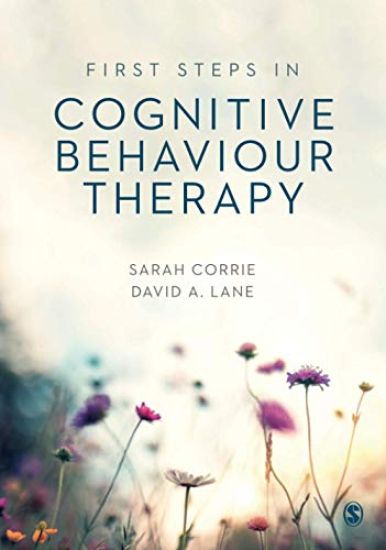
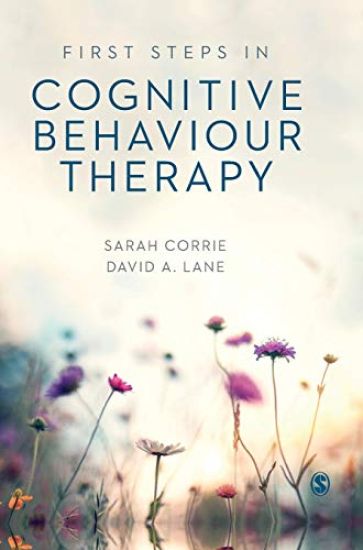
This book is a first steps introduction to cognitive behaviour therapy that will appeal to the interested reader and professionals wanting to learn about the approach. It introduces you to the history of the approach, describes its behavioural and cognitive principles, and examines key techniques and methods within the context of contemporary practice. Further chapters on Formulation, Working with Imagery, and Future Directions in CBT help you to extend your learning, while reflective activities and case studies throughout the book support you to apply principles and perspectives to practice.
Hawkmoths are large charismatic insects with highly variable and colourful larvae. Some species are specialised in their habitat preferences, but others are widespread and often encountered in gardens. However, little is known about most species, and associating the adults with their larvae has previously been difficult or impossible. Hawkmoths of Australia allows identification of all of the Australian hawkmoths for the first time and treats species found on mainland Australia and all offshore islands. It presents previously undescribed life histories of nearly all species and provides a comprehensive account of hawkmoth biology, including new parasitoids and their hawkmoth hosts. Detailed drawings and photographs show the external and internal morphology of adults and immatures, and eggs, larval instars and pupa. Keys are provided for last instar larvae and pupae of the 71 species that the authors have reared. A glossary, appendices to parasitoids and larval foodplants, an extensive reference list with bibliographical notes and a comprehensive index conclude the book. The wealth of new information in this book makes it an essential reference for anyone interested in these moths. Hawkmoths of Australia is Volume 13 of the Monographs on Australian Lepidoptera Series. Features The first full treatment of the Australian hawkmoths, covering their identification, distributions and biology. Comprehensive life history accounts for most species, many previously unrecorded, illustrated in more than 800 colour photographs and supplemented by detailed technical descriptions. Adults of all species illustrated in colour including variants never before figured. A detailed account of natural enemies, especially of parasitoids, most previously unrecorded. Distributions accurately detailed for all species for the first time.
Formulation remains one of the most important activities that those using psychological approaches undertake as part of their work. Arguably, however, formulation is an activity that remains poorly understood. In a current climate demanding quick fix solutions there is a tendency, which the authors refuse, towards over-simplification. Instead this
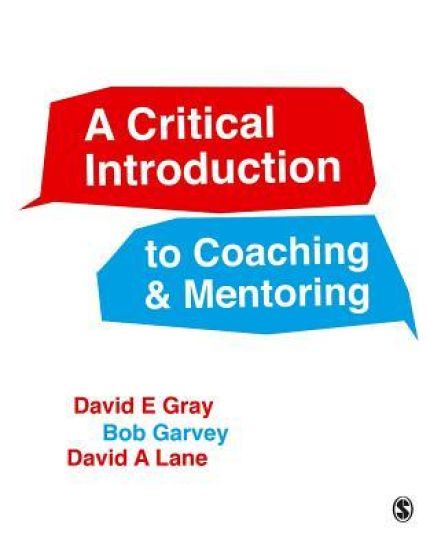
This is the definitive introduction to coaching and mentoring, written by an experienced and multidisciplinary team. Taking you all the way through from the emerging theory to informed practice, the book covers: · Skills, purposes and outcomes of coaching and mentoring processes · The many settings in which they take place – public, private and voluntary · Coaching and mentoring’s evidence base and how it is assessed · The professionalization of coaching and mentoring and a move towards integration. Supported by a wide range of case studies, activities, further questions and topics for discussion, this book is a comprehensive but accessible introduction. The authors take a critical approach and go beyond the basics, to support your development as a critically reflective practitioner. It is essential reading for those studying coaching and mentoring, and professionals looking to integrate coaching and mentoring into their organizations.
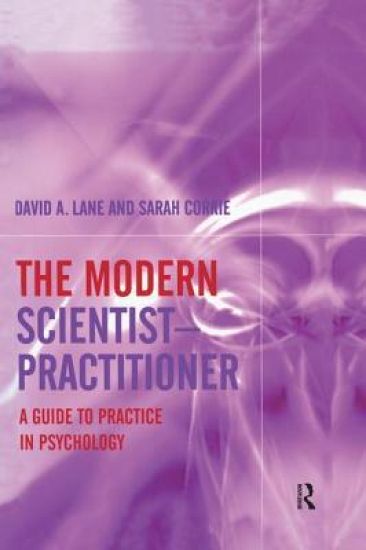
The Modern Scientist-Practitioner argues for a radical rethink of how we understand the science-practice relationship and the notion of the scientist-practitioner model. Drawing on the latest innovations and research from the fields of anthropology, industry, philosophy, psychology and science, David Lane and Sarah Corrie present a new vision of the scientist-practitioner model that is dynamic, contextualised and synergistic. Subjects covered include: innovation and improvization: The unacknowledged world of the creative scientist-practitioner. what kind of scientists are we? re-examining the Nature of Scientific knowledge. acquiring the art of reasoning: straddling the worlds of rigour and meaning. arriving at shared psychological narratives: formulation and explanation. the scientist-practitioner in applied psychology settings. learning for tomorrow: professional survival in an uncertain world. This timely and thought-provoking book will appeal to professionals at all stages of their careers, including psychologists of all disciplines, researchers, educators, policy-makers, healthcare professionals and students.
What is good CBT supervision? What makes an effective supervisor? How can qualified CBT therapists learn to become good CBT supervisors who work effectively with their supervisees? These are some of the questions addressed in this practical new book, examining what it takes to be a competent and confident CBT supervisor. Using the authors' unique framework of learning – the PURE Supervision Flower – the book equips trainees with the skills and competencies needed to #strong/strong#repare for, undertake, refine and enhance supervision practice across a wide range of settings. Structured around the PURE Supervision Flower, the book is divided into four parts: #strong/strong#reparing for Supervision explores how to establish an effective and ethical base from which supervision can occur Undertaking Supervision focuses on the practical delivery of CBT Supervision Refining Supervision offers insights into managing the supervisory process and relationship Enhancing Supervision hones competencies by considering complex ethical challenges and CPD. Packed with activities, tips, case studies and reflective questions to help consolidate learning, this is essential reading for CBT practitioners training in and already providing supervision across a range of settings.
The Modern Scientist-Practitioner argues for a radical rethink of how we understand the science-practice relationship and the notion of the scientist-practitioner model. Drawing on the latest innovations and research from the fields of anthropology, industry, philosophy, psychology and science, David Lane and Sarah Corrie present a new vision of the scientist-practitioner model that is dynamic, contextualised and synergistic. Subjects covered include: innovation and improvization: The unacknowledged world of the creative scientist-practitioner. what kind of scientists are we? re-examining the Nature of Scientific knowledge. acquiring the art of reasoning: straddling the worlds of rigour and meaning. arriving at shared psychological narratives: formulation and explanation. the scientist-practitioner in applied psychology settings. learning for tomorrow: professional survival in an uncertain world. This timely and thought-provoking book will appeal to professionals at all stages of their careers, including psychologists of all disciplines, researchers, educators, policy-makers, healthcare professionals and students.