Kirjojen hintavertailu. Mukana 12 166 907 kirjaa ja 12 kauppaa.

Kirjailija

David Bond

Kirjat ja teokset yhdessä paikassa: 13 kirjaa, julkaisuja vuosilta 1994-2022, suosituimpien joukossa Jacques Chessex. Vertaile teosten hintoja ja tarkista saatavuus suomalaisista kirjakaupoista.

13 kirjaa

Kirjojen julkaisuhaarukka 1994-2022.

Jacques Chessex

Jacques Chessex

David Bond

University of Toronto Press
1994
pokkari
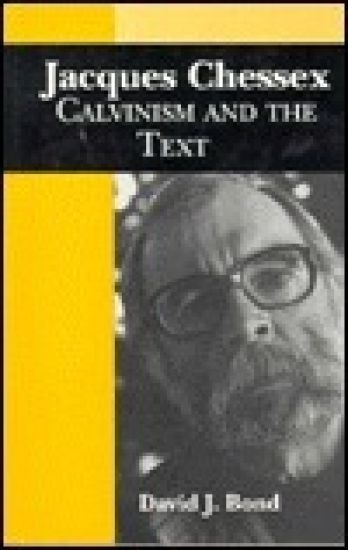
Despite an impressive body of poems, novels, short stories, and literary criticism; high praise for his writing by French and Swiss critics; and a collection of honours that includes the prestigious Prix Goncourt, awarded for his novel L’Ogre in 1973, Jacques Chessex is relatively unknown outside France and Switzerland. With this book, David J. Bond provides the first comprehensive study of his work in any language-a study that reveals Chessex’s deep ambivalence towards his Calvinist heritage and his efforts to resolve this dilemma through his texts. Born in 1934 in Payerne, in the region of French-speaking Switzerland known as the Vaud, Chessex grew up amid the pervasive influence of the Calvinist church. His writing, which tells of Vaud society and the hypocrisy of many of its leading members, reveals his preoccupation with a rigid morality, sin, remorse, and death. Bond shows that while Chessex uses his texts to escape this heritage and affirm alternative values, particularly sexual pleasure and enjoyment of life, his writing reveals a deep nostalgia for the stability and security of a strict religious system in a world that he finds unstable and even absurd without it. Chessex looks to the text as a univocal organizing principle that might impose order and sense. Bond sees in Chessex’s writing an attempt to find unity in opposing values, to establish contact with others, and to overcome an obsession with death and the passing of time.
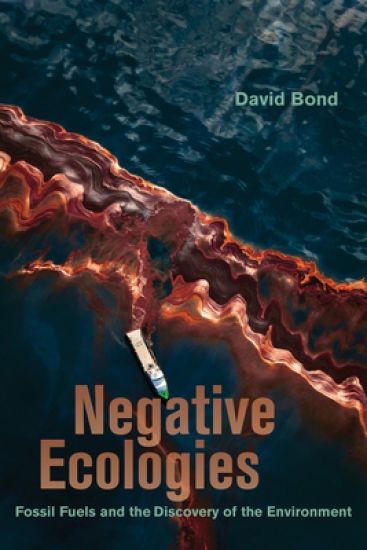
Negative Ecologies

Negative Ecologies

David Bond

University of California Press
2022
sidottu
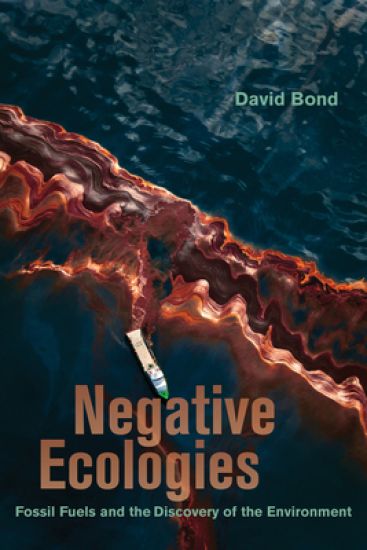
So much of what we know of clean water, clean air, and now a stable climate rests on how fossil fuels first disrupted them. Negative Ecologies is a bold reappraisal of the outsized role fossil fuels have played in making the environment visible, factual, and politically operable in North America. Following stories of hydrocarbon harm that lay the groundwork for environmental science and policy, this book brings into clear focus the dialectic between the negative ecologies of fossil fuels and the ongoing discovery of the environment. Exploring iconic sites of the oil economy, ranging from leaky Caribbean refineries to deepwater oil spills, from the petrochemical fallout of plastics manufacturing to the extractive frontiers of Canada, Negative Ecologies documents the upheavals, injuries, and disasters that have long accompanied fossil fuels and the manner in which our solutions have often been less about confronting the cause than managing the effects. This history of our present promises to re-situate scholarly understandings of fossil fuels and renovate environmental critique today. David Bond challenges us to consider what forms of critical engagement may now be needed to both confront the deleterious properties of fossil fuels and envision ways of living beyond them.
Negative Ecologies

Negative Ecologies

David Bond

University of California Press
2022
pokkari
So much of what we know of clean water, clean air, and now a stable climate rests on how fossil fuels first disrupted them. Negative Ecologies is a bold reappraisal of the outsized role fossil fuels have played in making the environment visible, factual, and politically operable in North America. Following stories of hydrocarbon harm that lay the groundwork for environmental science and policy, this book brings into clear focus the dialectic between the negative ecologies of fossil fuels and the ongoing discovery of the environment. Exploring iconic sites of the oil economy, ranging from leaky Caribbean refineries to deepwater oil spills, from the petrochemical fallout of plastics manufacturing to the extractive frontiers of Canada, Negative Ecologies documents the upheavals, injuries, and disasters that have long accompanied fossil fuels and the manner in which our solutions have often been less about confronting the cause than managing the effects. This history of our present promises to re-situate scholarly understandings of fossil fuels and renovate environmental critique today. David Bond challenges us to consider what forms of critical engagement may now be needed to both confront the deleterious properties of fossil fuels and envision ways of living beyond them.
VHS Nasty

VHS Nasty

David Bond; Ramsey Campbell; Barbie Wilde

Hellbound Books Publishing
2020
nidottu
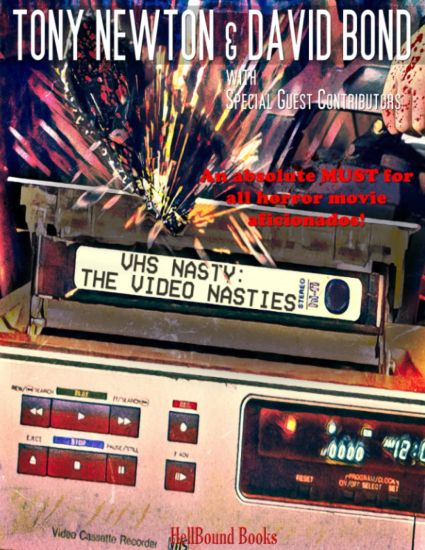
VHS Nasty: The Video Nasties is the definitive, full-colour guide to the halcyon days of the 1980s, when the British government and its nanny state, headed by the self-proclaimed and totally unelected "Protector of Public Morals," Mary Whitehouse, decided it would dictate what the viewing public could-and, more specifically, couldn't-watch in the privacy of their own homes. The fight to control the voracious, countrywide spread of video players brought about the much-maligned Video Recordings Act 1984, which came complete with a list of "video nasties," horror movies deemed much too disturbing for the delicate sensitivities of the British public, and which were not to be viewed on home VCRs. And, not only were those films banned, producers and directors were prosecuted, video stores were raided by the police, and video cassettes were burned (Fahrenheit 451 anyone?). Naturally, the act not only blighted the whole video/home entertainment revolution but it also inadvertently created the cult underground movement and a huge collector's market for the iconic films, many of which still change hands for phenomenal sums of money I Spit on Your Grave, The Driller Killer, Cannibal Holocaust, Xtro, The Texas Chainsaw Massacre, and The Evil Dead were just a handful of the initial 72 titles that made the "must-see" list of the 1980's horror aficionados, all of whom moved heaven and hell to get their hands on a copy Tony Newton and David Bond lead us through the history of those dark, draconian days with an engaging, conversational style that makes for simply terrific reading. They also provide a comprehensive, title-by-title list of each and every one of the banned and prosecuted films, along with comments and memories of some of the producers, directors, writers, and actors responsible for creating the whole video nasty phenomenon.With insightful contributions from: Lloyd Kaufman, Taylor Sprow, Ramsey Campbell, Graham Masterton, Barbie Wilde, Nicholas Vince, John Thomson, Ruggero Deodato (Cannibal Holocaust), Steve Wright, Terry M. West, Richard Stanley, James Cullen Bressack (Blood Lake), Mark Miller (Seraphim Films), Colin McCracken, Eric Weston (Evilspeak), Glenn Criddle, Max Weinstein, John Penney (The Return of the Living Dead 3, Hellgate), and many, many more.
Vhs: The Video Nasties: Budget B&W Limited Edition

Vhs: The Video Nasties: Budget B&W Limited Edition

David Bond; Ramsey Campbell; Barbie Wilde

Hellbound Books Publishing LLC
2020
nidottu
VHS Nasty: The Video Nasties is the definitive, full-colour guide to the halcyon days of the 1980s, when the British government and its nanny state, headed by the self-proclaimed and totally unelected "Protector of Public Morals," Mary Whitehouse, decided it would dictate what the viewing public could-and, more specifically, couldn't-watch in the privacy of their own homes. The fight to control the voracious, countrywide spread of video players brought about the much-maligned Video Recordings Act 1984, which came complete with a list of "video nasties," horror movies deemed much too disturbing for the delicate sensitivities of the British public, and which were not to be viewed on home VCRs. And, not only were those films banned, producers and directors were prosecuted, video stores were raided by the police, and video cassettes were burned (Fahrenheit 451 anyone?). Naturally, the act not only blighted the whole video/home entertainment revolution but it also inadvertently created the cult underground movement and a huge collector's market for the iconic films, many of which still change hands for phenomenal sums of money I Spit on Your Grave, The Driller Killer, Cannibal Holocaust, Xtro, The Texas Chainsaw Massacre, and The Evil Dead were just a handful of the initial 72 titles that made the "must-see" list of the 1980's horror aficionados, all of whom moved heaven and hell to get their hands on a copy Tony Newton and David Bond lead us through the history of those dark, draconian days with an engaging, conversational style that makes for simply terrific reading. They also provide a comprehensive, title-by-title list of each and every one of the banned and prosecuted films, along with comments and memories of some of the producers, directors, writers, and actors responsible for creating the whole video nasty phenomenon.With insightful contributions from: Lloyd Kaufman, Taylor Sprow, Ramsey Campbell, Graham Masterton, Barbie Wilde, Nicholas Vince, John Thomson, Ruggero Deodato (Cannibal Holocaust), Steve Wright, Terry M. West, Richard Stanley, James Cullen Bressack (Blood Lake), Mark Miller (Seraphim Films), Colin McCracken, Eric Weston (Evilspeak), Glenn Criddle, Max Weinstein, John Penney (The Return of the Living Dead 3, Hellgate), and many, many more.
Work Hard, Pay The Price, Make It Happen: How One Simple Lesson Altered My Life
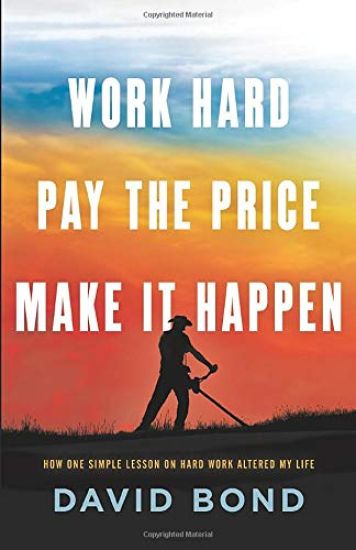
Work Hard, Pay The Price, Make It Happen is a true story of a man living out his simple mission. David Bond is living proof that these three simple principles can motivate, change, and impact his life and the lives of others. His fierce dedication and passion for business, family, and relationships are clearly on display from beginning to end. From sharing his crazy, heart-racing adventures to vulnerable, conflicting struggles, David learns valuable, sometimes difficult, life-lessons along the way. This story was not easy for David to write. However, God planted a dream of writing a book to share his story, so that you can learn from his failures and successes."I will always remember the hot summer days when I was pushing a lawnmower. I was saturated in sweat from head to toe, covered in grass clippings, working hard trying to earn a buck and help someone that could not do it themselves. I had to work hard, pay the price, and make it happen every day..."-- David Bond
Accounting: Business Reporting for Decision Making, 7th Edition

Accounting: Business Reporting for Decision Making, 7th Edition

Jacqueline Birt; Keryn Chalmers; Suzanne Maloney; Albie Brooks; Judy Oliver; David Bond

JOHN WILEY SONS AUSTRALIA LTD
2019
nidottu
The seventh edition of Birt's Accounting textbook is designed for the core accounting unit in a business or commerce degree. Many students who plan to major in soft-side disciplines such as marketing or human resource management need a clear and accessible text that emphasises the relevance of accounting to business. The Accounting interactive e-text features a range of instructional media content designed to provide students with an engaging learning experience. This includes practitioner videos from Ernst & Young, animated work problems and questions with immediate feedback. Birt’s unique resource can also form the basis of a blended learning solution for lecturers.
Jacques Chessex

Jacques Chessex

David Bond

University of Toronto Press
1994
sidottu
Despite an impressive body of poems, novels, short stories, and literary criticism; high praise for his writing by French and Swiss critics; and a collection of honours that includes the prestigious Prix Goncourt, awarded for his novel L’Ogre in 1973, Jacques Chessex is relatively unknown outside France and Switzerland. With this book, David J. Bond provides the first comprehensive study of his work in any language-a study that reveals Chessex’s deep ambivalence towards his Calvinist heritage and his efforts to resolve this dilemma through his texts. Born in 1934 in Payerne, in the region of French-speaking Switzerland known as the Vaud, Chessex grew up amid the pervasive influence of the Calvinist church. His writing, which tells of Vaud society and the hypocrisy of many of its leading members, reveals his preoccupation with a rigid morality, sin, remorse, and death. Bond shows that while Chessex uses his texts to escape this heritage and affirm alternative values, particularly sexual pleasure and enjoyment of life, his writing reveals a deep nostalgia for the stability and security of a strict religious system in a world that he finds unstable and even absurd without it. Chessex looks to the text as a univocal organizing principle that might impose order and sense. Bond sees in Chessex’s writing an attempt to find unity in opposing values, to establish contact with others, and to overcome an obsession with death and the passing of time.