
Kirjailija
David Budbill
Kirjat ja teokset yhdessä paikassa: 7 kirjaa, julkaisuja vuosilta 1999-2025, suosituimpien joukossa Broken Wing. Vertaile teosten hintoja ja tarkista saatavuus suomalaisista kirjakaupoista.
7 kirjaa
Kirjojen julkaisuhaarukka 1999-2025.

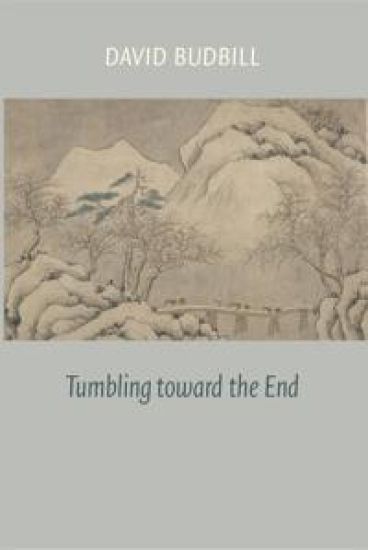
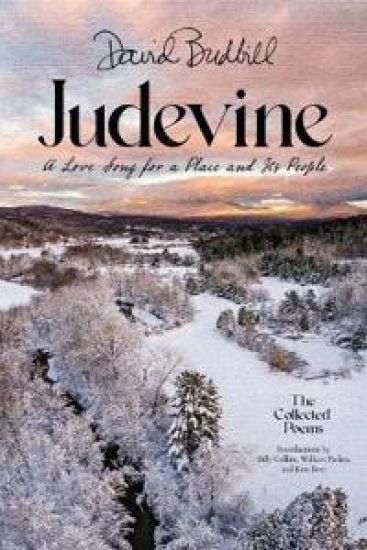
Budbill both informs and moves. He is, in short, a delight and a comfort. --Wendell BerryDavid Budbill is a no-nonsense, free-range sage. --Dana Jennings, The New York TimesLooking at the reality closely, he sees parts move in a unison--sometimes graceless, sometimes ugly, always resolved in a human wholeness. --Donald HallDavid Budbill's . . . poetry is as accessible as a parking lot and as plain as a pair of Levis. --Parnassus Appearing frequently on Garrison Keillor's The Writer's Almanac, David Budbill's poems are deceptively simple and filled with light and longing. In this new book, he confronts the painful realities of aging, with both joy and mortality interweaving his sparse and brisk poems. Eschewing platitudes and easy answers, Budbill achieves a dynamic and delicate balance between deepening winter and filling out the seed-catalog order for the next garden.Pare Everything Down to Almost Nothingthen cut the rest, and you've gotthe poemI'm trying to write.David Budbill is the author of six books of poems, eight plays, a novel, a collection of short stories, a picture book for children, and dozens of essays, introductions, speeches, and book reviews. He has also served as an occasional commentator on National Public Radio's All Things Considered. He lives in the mountains of northern Vermont where he tends his garden, woodpile, and website.
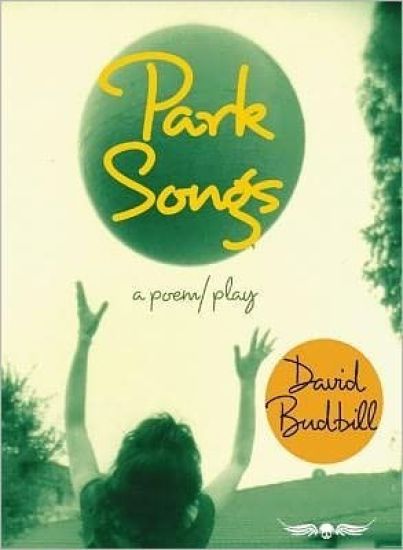
A "tale of the tribe" (Ezra Pound's phrase for his own longer work), Park Songs is set during a single day in a down-and-out Midwestern city park where people from all walks of life gather. In this small green space amidst a great gray city, the park provides a refuge for its caretaker (and resident poet), street preachers, retirees, moms, hustlers, and teenagers. Interspersed with blues songs, the community speaks through poetic monologues and conversations, while the homeless provide the introductory chorus-and all of their voices become one great epic tale of comedy and tragedy. Full of unexpected humor, hard-won wisdom, righteous (but sometimes misplaced) anger, and sly tenderness, their stories show us how people learn to live with mistakes and make connections in an antisocial world. As the poem/play engages us in their pain and joy-and the goofy delight of being human-it makes a quietly soulful statement about acceptance and community in our lives. David Budbill has worked as a carpenter's apprentice, short order cook, day laborer, and occasional commentator on NPR's All Thing Considered.His poems can often be heard on Garrison Keillor's Writer's Almanac and his books include the best-selling Happy Life (Copper Canyon Press) and Judevine, a collection of narrative poems that forms the basis for the play Judevine, which has been performed in twenty-two states. Born in Cleveland, Ohio, Budbill now lives in the mountains of northern Vermont. R. C. Irwin, whose absurdist and nostalgic work provides the set design for Park Songs, teaches at San Francisco City College.

"David Budbill is a no-nonsense free-range sage who celebrates tomatoes in September, the whistle of a woodcock and sweet black tea and ancient Chinese poems." --New York TimesBudbill both informs and moves. He is, in short, a delight and a comfort.--Wendell Berry Budbill] can be hilarious, as when he gripes, 'What good is my humility / when I am / stuck / in this obscurity'--Booklist, starred reviewHis terse, epigrammatic lyrics are a lilting mirror of classical Chinese poetry.--The Wichita EagleDavid Budbill continues his popular poetic ruminations on life in remote New England--an outward survey of a forested mountain and an introspection of self-reliance, anonymity, and the creative life. Inspired by classical Chinese and Japanese poets, Budbill contemplates the seasons, ambition, his questionable desire for fame and fortune, and simple, focused contentment: Weed the beans. Pick the peas.Out in the WoodsThe only time I'm really free is when I'm out in the woodscutting firewood, stacking brush, clearing trails.Just the chain saw, the dog and me.Heave and groan, sweat and ache.Work until I can't stand it anymore.Take a break.Sit on the needle-strewn ground up against a big pine tree, drink some water, stare out through the woods, pet the dog.Stretch out on the ground, take a nap, dog's head on my lap.Ah, this would be the time and place and wayto die.David Budbill is the author of poems, plays, essays, speeches, and book reviews. He has also served as a commentator on NPR's All Things Considered. He lives in the mountains of northern Vermont where he tends his garden and website.
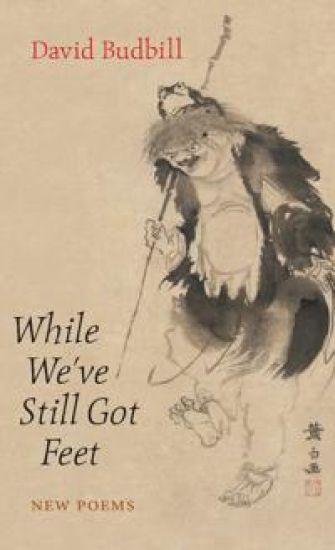
Familiar to listeners of National Public Radio, David Budbill is beloved by legions for straightforward poems dispatched from his hermitage on Judevine Mountain. Inspired by classical Chinese hermit poets, he follows tradition but cannot escape the complications and struggles of a modern solitary existence. Loneliness, aging and political outrage are addressed in poems that value honesty and simplicity and deplore pretension.For more than three decades, David Budbill has lived on a remote mountain in northern Vermont writing poems, reading Chinese classics, tending to his garden and, of course, working on his website. Budbill has been featured more than any other author on Garrison Keillor's The Writer's Almanac.
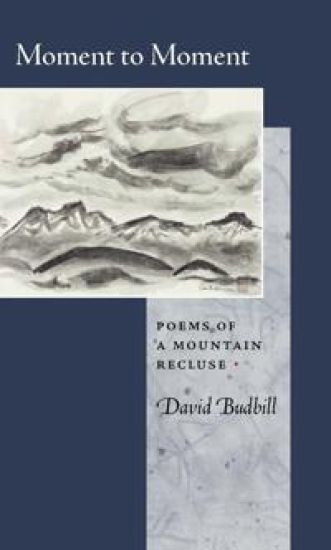
Alternating between the loveable irrascibility and self-mocking humor reminiscent of the poet Cold Mountain (Han Shan), Budbill's poems view the modern world from the viewpoint of a New England hermit-scholar. Remarkable for their generous spirit, accessibility and biting criticism, these poems present a poet of strong mind and voice.Budbill both informs and moves. He is, in short, a delight and a comfort.- Wendell BerryBudbill writes out of the real, contemporary, New England, not from the past, not from the cellar holes. He speaks from the New England which is Appalachia - poverty, exploitation, and good people.-Donald HallDavid Budbill is the author of numerous books of poetry, ?ction, and drama, and is an occasional commentator on NPR's All Things Considered. With bassist William Parker, Budbill performs a duet collaboration entitled Zen Mountains / Zen Streets. He lives in rural Vermont.