Kirjojen hintavertailu. Mukana 12 595 353 kirjaa ja 12 kauppaa.
Kirjailija
David Clutterbuck
Kirjat ja teokset yhdessä paikassa: 27 kirjaa, julkaisuja vuosilta 1999-2026, suosituimpien joukossa Coaching i nyt perspektiv. Vertaile teosten hintoja ja tarkista saatavuus suomalaisista kirjakaupoista.
Kim Gørtz; Kit Sanne Nielsen; Ole Fogh Kirkeby; Søren Willert; Ulla Charlotte Beck; Anders Myszak; Anette Prehn; Reinhard Stelter; Sofia Manning; Asbjørn Molly; Birgitte Jepsen; Margrethe Gade; Kim Martin Nielsen; Morten Ziethen; Tine Gaihede; Hanne V. Moltke; Pia Søltoft; Mette Mejlhede; Bo Heimann; Lucy Vittrup; Finn Janning; Geert Mørk; Tobias Dam Hede; Niels Dalhoff; Jan Sigurdur Christensen; Michael Havnstrup Bech; Tine Nyholm; David Clutterbuck; Alan Seale; Frank Bresser; Anthony M. Grant
Siden Coaching i perspektiv – en grundbog udkom i 2008 er der sket meget med coaching som profession og håndværk samt i vores forståelse af coaching. I Coaching i nyt perspektiv – en metodebog bevæger vi os nogle skridt videre. Ved at gøre status for faget og pege fremad forsøger bogen at favne coachingfeltet på ny gennem tre centrale områder: Grundlag, retninger og værktøjer Ledelse, organisering og arbejde Ånd, filosofi og refleksion Bogen vil være til nytte og inspiration for disse målgrupper: Studerende på private og universitære uddannelser i og om coaching, der har brug for en lærebog med den rette akademiske tyngde. Virksomheder og ledere, der bruger coaching og arbejder på at implementere værktøjer, praksis og tænkning i arbejdsfunktionen, og som har brug for en reflekteret metodebog. Alle med interesse for coaching, der har brug for et overblik, en samfundsmæssig og filosofisk perspektivering og en større forståelse for, hvordan coaching også virker. Den er skrevet af fagfolk med uddannelsesbaggrund inden for psykologi, filosofi og samfundsvidenskab samt coaches med master- eller universitetsgrader og mange års erfaring i praksis.

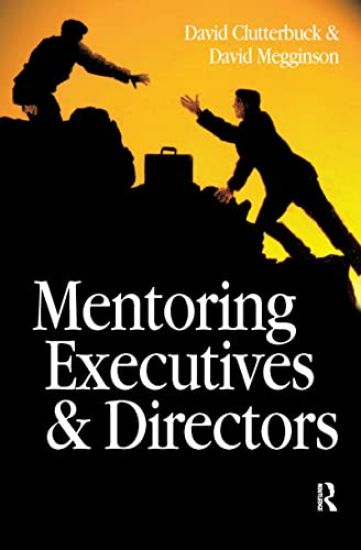
Mentoring Executives and Directors was the first book to examine the growth in mentoring at senior levels, and it remains the landmark text in the area. This new edition addresses the developments in the executive mentoring landscape, including the move to professionalization; but also revisits key issues such as the benefits of executive mentoring, how to choose a mentor, and tools and techniques for effective mentoring.On top of this, the authors have carefully selected and analysed an entirely new set of case studies to give readers an insight into mentoring programmes and relationships internationally and across sectors, from a mix of large and small businesses.This authoritative guide to executive mentoring is essential reading for executive mentors and mentees, HR professionals and students of mentoring.
Drawing on the most current and relevant research, this pioneering volume brings together the perspectives and experience of more than sixty leading practitioners and academics in a comprehensive yet practical guide to mentoring across health and social care. It includes consideration of the contemporary context, details of relevant demonstration projects and interventions, key points and pitfalls for managers, leaders, trainers, mentors and mentees, practical examples and resources to set up new mentoring services, and current issues of relevance for mentoring – with practice pointers and opportunities for reflection throughout. The book also pays due attention to the impact of the COVID-19 pandemic, with coverage of spiritual and ecological issues and the mentoring needs linked to them.
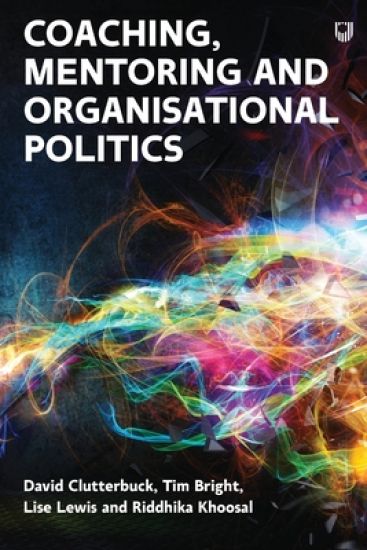
“Understanding organisational politics is critical for coaches who want to bring a systemic lens to their work. This fascinating title brings this topic to life, blending insight and practice on diverse themes from gender to digital and from presence to psychological safety.”Prof Jonathan Passmore, Professor of Coaching & Behavioural Change, Henley Business School, UK“This book is an invaluable guide for anyone wanting to create an inclusive work environment despite the complexities of office politics… Whether you're a seasoned executive or just starting your career, this book is a must-read for anyone seeking to thrive in today's competitive business environment.”Dr Riza Kadilar, EMCC Global President, The NetherlandsFor employees, managing politics is a core skill. For coaches and mentors, there is the constant dilemma of how to help a client thrive in a political environment while remaining authentic. Coaching, Mentoring and Organisational Politics draws on the experiences of coaches, mentors, leaders and managers from around the world.As all organisations are political environments, politics are likely to affect every coach at some point in their professional career. The authors expertly navigate this complex topic, going beyond collating existing concepts and undertaking new, first-hand research into what issues are considered “political” and the challenges they pose for leaders.The book:- Includes case studies from a wide range of organisations, from the public sector to ‘Big 4’ firms- Contains an Organisational Politics Awareness Tool to encourage reflection and dialogue- Offers practical approaches for maintaining integrityCoaching, Mentoring and Organisational Politics is an invaluable guide for coaches and mentors struggling to navigate the complexities of professional politics or who simply want to learn how to best support their clients in politicised environments.David Clutterbuck is the co-founder of the European Coaching and Mentoring Council (EMCC) and Practice Lead for Coaching and Mentoring International. He is visiting professor of coaching and mentoring at four universities and has authored over 75 books.Tim Bright is a co-founder of EMCC Turkey and works internationally as a coach and consultant. He is currently based in Istanbul with OneWorld Consulting.Lise Lewis is an executive coach and award-winning coach supervisor with an international practice. She is the immediate past President of EMCC Global and currently its Special Ambassador, and is also the founder of Bluesky International.Riddhika Khoosal is an organisation development consultant, facilitator, speaker and coach. She delivers programmes for some of the world's largest organisations, helping leaders around the globe improve their wellbeing and performance.
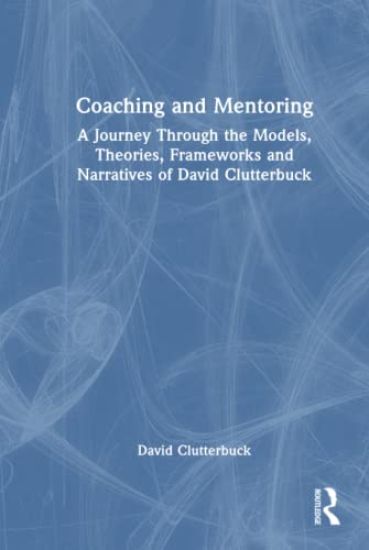
This book represents both a milestone and a celebration. It brings together in one place all the theories and models that have emerged from the work of David Clutterbuck, one of the last surviving, first pioneers of coaching and mentoring, who has significantly helped to shape the field; and is published as his 75th book at age 75.Many of the models and approaches familiar to coaches and mentors are based in David’s prolific research, writing and practice, from Systemic Talent Management, through Team Coaching from a Complex, Adaptive Systems perspective, Personal Reflective Space, to the Diversity Awareness Ladder. In bringing more than 60 of these innovations into one volume, the book provides an invaluable contribution to the practice of coaching, and puts the evolution of coaching theory into context, tracing its development over time. This book is a one-stop-shop for coach practitioners and students to get up to speed and understand these foundational models. This book will appeal to coaches and HR professionals across the world, at all levels.
Teams are a crucial part of working life, and they can also be a source of challenges, frustrations and opportunities. This industry first book explores the breadth of approaches available throughout a team coaching engagement narrated through case studies and editorial commentary. It illustrates the eclectic and emergent nature of interventions that enable teams to achieve lasting positive changes in capability.Drawing together 23 cases from multiple theoretical perspectives and industries from team coaching practitioners from across the globe, this book: •Includes the experiences, insights and learning of team leaders and team members as well as the team coaches with quotes and data from each engagement •Offers insight into the original need for the team coaching in each case study•Explores how the team relates to itself, its stakeholders and the wider system•Explains how the team coach or coaches engaged with the team detailing the specific practices the team coach used and the outcomes achieved•Features forewords from leading writers on coaching and team coaching: Nick Smith, Peter Hawkins and Paul LawrenceThese features make it a fresh and valuable source of insight and reflection for both novice and experienced team coaches, team leaders, organisational sponsors, and buyers of team coaching.“Readers will take away a tangible sense of current team coaching practice and frameworks and feel more capable, knowledgeable, and confident working with teams.”Dr. Catherine Carr, Team Coach, Supervisor and Systemic Team Coaching Instructor, Co-Author of High Performance Team Coaching“This casebook offers inspiration and wisdom from an impressive array of experienced practitioners.”Ruth Wageman, PhD., Author of Senior Leadership Teams: What it Takes to Make them Great, Founder of 6 Team Conditions“This book presents action research at its best. With its diverse array of settings, the book conveys practical wisdom related to the challenges and opportunities of team coaching.”Amy C. Edmondson, Professor at Harvard Business School, Author of The Fearless Organization: Creating Psychological Safety in the Workplace for Learning, Innovation, and GrowthDavid Clutterbuck is one of the early pioneers of coaching and is co-founder of the European Mentoring and Coaching Council (EMCC). He is also practice lead of Coaching and Mentoring International (CMI). Tammy Turner is CEO of Turner International and is Core Faculty and Head of Supervision at the Global Coach Training Institute (GTCI). She is an accredited master team and individual coach. Colm Murphy is an accredited master executive coach and team coach and Head of Coaching at Smurfit Executive Development, University College Dublin, Ireland. Colm is managing director of Dynamic Leadership Development. He is also Core Faculty at the Global Coach Training Institute (GTCI).
The new edition of this indispensable book provides insights into the role of supervision and a fresh perspective on the fundamentals of the discipline. Coaching supervision is now widely recognised as essential to effective coaching and professional development of coaches. This book uncovers current research and explains the established ideas for practice. It also: •Contains a comprehensive overview of coaching supervision, from both theoretical underpinnings to practical guidance on different perspectives and approaches•Allows both students of coaching and experienced coaches to compare approaches and develop their own, unique ways of being supervised•Supports supervisors in planning their own developmental journey towards a more integrated, evidence-based practice•Includes leading thinkers from across the field and many emerging authoritiesCoaching and Mentoring Supervision is the definitive text for coaching supervisors, supervisees and those working toward qualifications in coaching supervision. It will also be of value both to HR professionals and those participating in mentoring programmes."This book is a central contribution to the further professional development of coaching and mentoring, where supervision should play a central role that cannot be underestimated."Reinhard Stelter, accred. coaching psychologist and Professor of Coaching Psychology at the University of Copenhagen, Denmark"The overarching strength of this book is the abundance of stimulation justifying this as an essential read on the topic of coaching and mentoring supervision."Dr Lise Lewis, Founder of Bluesky International provider of EMCC Accredited Coach and Author of Relational Feedback"An outstanding book, updated to 2021, with contributions from the biggest names in the field, and skillfully edited by three of the finest thought leaders in evidenced based practice in coaching supervision. This book is an essential read for those interested in coaching supervision whether as a student or as a practitioner."Professor Jonathan Passmore, Director Henley Centre for Coaching, Henley Business School, UK"This is a well-researched and multidisciplinary-grounded book by leading authors in the field who offer theoretical and practical knowledge for coaching practitioners to rethink, reset, and continue their professional development through supervision."Charline S. Russo, EdD, Senior Lecturer, Organizational Dynamics Program, University of PennsylvaniaTatiana Bachkirova is Professor of Coaching Psychology and Co-Director of the International Centre for Coaching and Mentoring Studies at Oxford Brookes University, UK. She is a recognised author, international speaker and an active researcher. Peter Jackson is Senior Lecturer and Co-Director of the International Centre for Coaching and Mentoring Studies at Oxford Brookes University, UK. His research interests are in embodiment and learning in coaching practice, reflective learning and professional development. He continues to practice as a coach and supervisor.David Clutterbuck is one of the original pioneers of coaching and mentoring. Author of more than 70 books, he is co-founder of the European Mentoring and Coaching Council and visiting professor at four universities; and a distinguished fellow of The Conference Board.
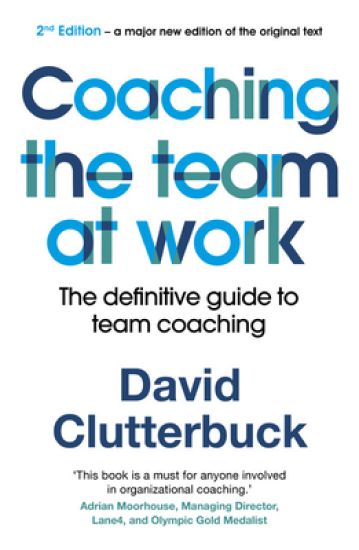
'This book is a must for anyone involved in organizational coaching' Adrian Moorhouse, Managing Director, Lane4 & Olympic Gold MedallistCoaching the Team at Work is the result of research over 20 years with practising team coaches and with major corporations around the world. It recognises that in a complex and constantly evolving business and social environment, teams can only keep up if they adapt frequently. But to adapt, they must have clarity about their internal and external systems and how these contribute to or undermine performance. There are multiple aspects of team function that underpins performance - and each influences and is influenced by the others. This revised edition explores the six most significant aspects:* Purpose and motivation* Systems and processes relating to external stakeholders* Relationships, especially within the team* Systems and processes relating to internal functions (such as quality and decision-making)* Learning (how the team adapts to keep up with the pace of change)* Leadership (how the functions of leadership are exercised within the team)When these aspects are aligned, a team can perform at its best; but when any one or more of the aspects is malfunctioning, the result is underperformance.This book helps team coaches develop their skills to support teams in understanding these complex dynamics and, as a result, in developing more effective ways of working together.
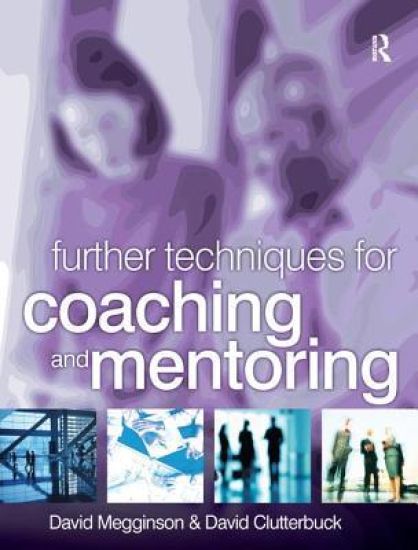
Building on the success of companion volume Techniques for Coaching and Mentoring, this new volume from coaching gurus David Clutterbuck and David Megginson is a practical, pragmatic guide to the knowledge and techniques you need for successful coaching and mentoring.Rather than adopting a particular school of coaching or mentoring, the authors pick the best from a range of models and frameworks that have developed since the first book published to help you enrich your practice. Further Techniques also features a new structure to make it more reader-friendly, with Part 1 putting the techniques into context, Part 2 covering the frameworks in eight contributed chapters and Part 3 including broader chapters that focus in on techniques for the client, techniques for the coach/mentor and techniques for working on the relationship between coach/mentor and client.A selection of leading figures in the field contribute their techniques and models to the framework chapters in Part 2, taking you through the necessary principles and offering practical advice for newcomers and seasoned professionals alike.Offering a wide portfolio of approaches for helping and developing others, this book is an invaluable resource for all coaches and mentors and a must read for anyone wanting to learn more about one-to-one coaching and mentoring.Edited by David Megginson and David Clutterbuck. Contributors: Gladeana McMahon, Marion Gillie, Daniel Doherty, Megan Reitz, Alan Sieler, John Groom and Vivien Whitaker.
Mentoring is one of the fastest growing forms of management development and the strongest growth area in mentoring is at director level. Very little is known about the nature of these relationships and the shutters on director mentoring are opened through a series of structured interviews with directors and their mentors. 'Mentoring Executives and Directors' is a lively, informative read including company and individual cases across a wide spectrum of sector and company size. It will be of considerable interest to Human Resource professionals and academics, headhunters and management consultants as well as senior managers, executives and directors, and their mentors.
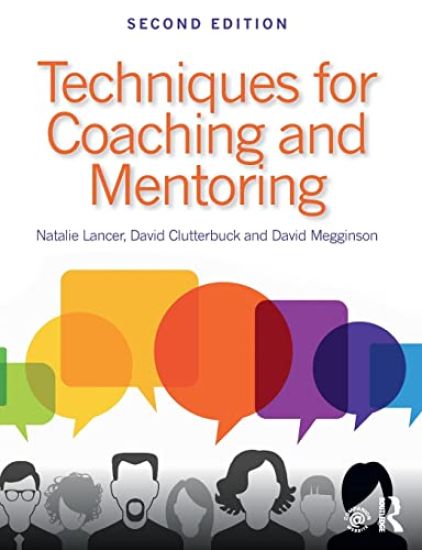
This is a fully revised and updated second edition of the successful Techniques for Coaching and Mentoring, also incorporating the best bits of its sister text Further Techniques for Coaching and Mentoring.The book presents a comprehensive and critical overview of the wide range of tools and techniques available to coaches and mentors. With a strong academic underpinning, it explores a wide range of approaches, and provides techniques both for use with clients and to support professional development of the coach or mentor. Key features include: Easy-to-use resources and techniques for one-to-one coaching; Case studies throughout the text, helping to put theory into practice; An overview of different theoretical approaches; A dedicated section on ‘themes for the coach’ discussing coaching across cultures, evaluating your coaching and looking after yourself as a coach; and Downloadable worksheets for each technique.Techniques for Coaching and Mentoring 2nd Edition is an invaluable resource for professional coaches and mentors looking to enhance their practice, and for students of coaching and mentoring.
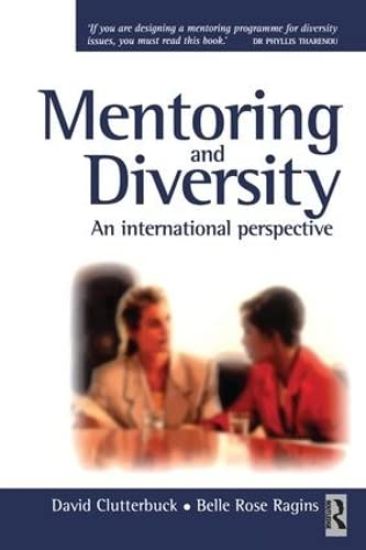
Organizations with a diverse workforce will have a leading edge in the New World economy. 'Mentoring and Diversity' illustrates the importance of mentoring as a proactive tool in diversity initiatives, and demonstrates how mentoring can be used to recruit, develop and retain a diverse and innovative workforce. This book brings together new and innovative perspectives on diversity and mentoring relationships within a variety of international settings. 'Mentoring and Diversity' provides a unique blend of research and practice, and is an indispensable guide for any company that seeks to develop a more diverse workforce. It will serve as a fundamental text for practitioners interested in developing effective mentoring programmes and for researchers seeking to understand these critical and complex relationships. Interviews, cases and qualitative data from a variety of international settings are used to support the models and theries developed in the text. These cases illustrate "diversity in action" in mentoring relationships, and provide guidance for developing effective mentoring programmes and diverse mentoring relationships in organizations. The book is composed of four sections that reflect theory, research and practice: * An overview of the theory and research on diversified mentoring relationships, followed by an applied model of diversity in mentoring relationships. * Some empirically based and pragmatic observations of "best practices" that are used by diversified mentoring programmes in various international contexts. * A collection of international case studies of diversity in both mentoring programmes and individual mentoring relationships. These cases illustrate the challenges and benefits associated with diversity in mentoring relationships. Organizational cases are drawn from such companies as Procter & Gamble, Volvo and World Bank. These cases provide practical guidance on how to develop effective mentoring programmes. * An integrative analysis of some of the recurring themes in the case studies that are supported by existing research but also chart new ground for emerging reseach and theory.
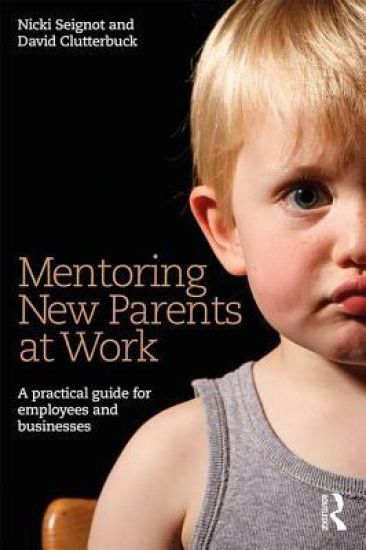
Investing in your returning talentBecoming a parent is life-changing. Our experience as employers, practitioners, researchers and working parents tells us this is a critical time for offering support to new parents as they navigate the transition, plan for their return and re-engage with work and career. At an organisational level, there are huge costs associated with losing experienced and talented employees when they start a family and, in the interest of building a more diverse and balanced workforce, organisations need their people to return engaged and motivated to progress their career. Written in partnership by two established coaching and mentoring professionals, Mentoring New Parents at Work makes the case for dedicated mentoring programmes in the workplace as a sustainable way of supporting new parents and improving talent retention for employers. The authors offer timely, practical guidance for each stage of the mentoring journey, from building the business case through to ideas for mentoring workshops. The book is grounded in theory and practice, and provides tools, techniques and real life case studies from a range of countries and organisations to illustrate good practice.Mentoring New Parents at Work will be invaluable to all HR practitioners and line managers who want to retain and support new parents, helping to pave the way for gender diversity at all levels of their organisations. Its themes and insights will also be of interest to students and researchers of HRM, diversity management, and coaching and mentoring.
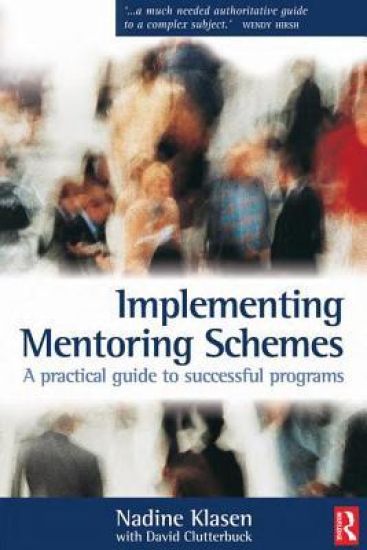
Over the past few years the application of mentoring in business has risen steeply and more organizations than ever are seeking to utilize its power. 'Implementing Mentoring Schemes' constitutes the most comprehensive and up-to-date coverage of the design, implementation, evaluation and revitalization of mentoring schemes. Although it can be used as a practical "how-to" guide on implementing mentoring schemes, it is ultimately a book that promotes best practice, combining academic research and case studies with many years of practical experience to produce expert advice. It enables readers to fully understand mentoring and to create state-of-the-art programs. In addition, it establishes a tenable case for mentoring that will greatly assist readers in promoting programs within their organization.
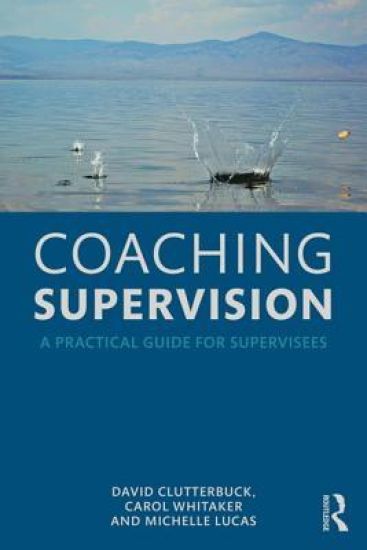
Just like the coaching relationship, supervision is most successful when it is a collaborative endeavour, with both parties clear on their roles and the process. Coaching Supervision is an intensely practical book providing guidance on when, why and how to seek supervision, and on how coaches can make the most of the supervision they receive.Written by experienced supervisors who have a deep understanding of the field, and drawing on research into good practice internationally, this book: Explains what supervision is and how it differs from other ‘helping conversations’ Provides a step by step approach to choosing a supervisor Advises on how to structure the coach/mentor development journey Explores a breadth of activities that enhance reflective practice Shows how supervision is an integral element of professional coaching and mentoring This practical guide will be vital reading for all established and trainee coaches and mentors participating in the supervision process, either as supervisors or supervisees.